Search
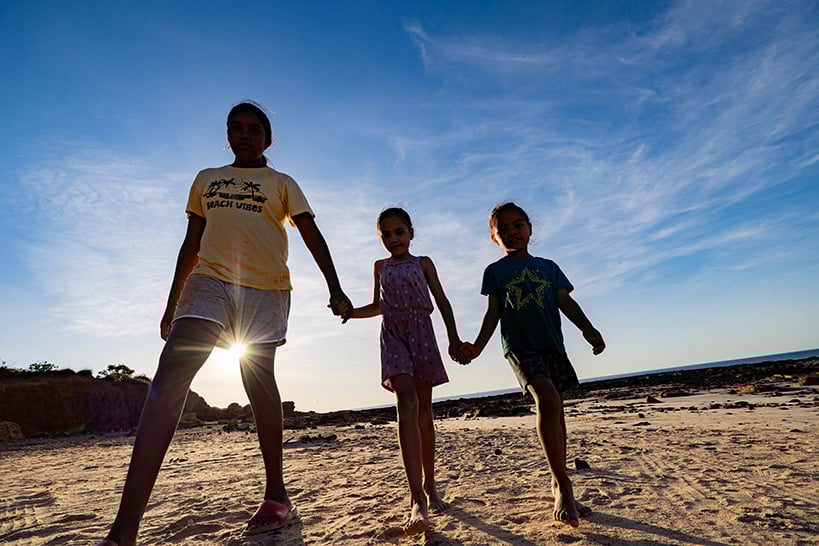
Aboriginal health is everyone's business. The needs of Aboriginal and Torres Strait Islander families and kids is integrated into all relevant areas of our work. Improving the health and wellbeing of Aboriginal and Torres Strait Islander kids and families is an overarching priority for every team at The Kids.
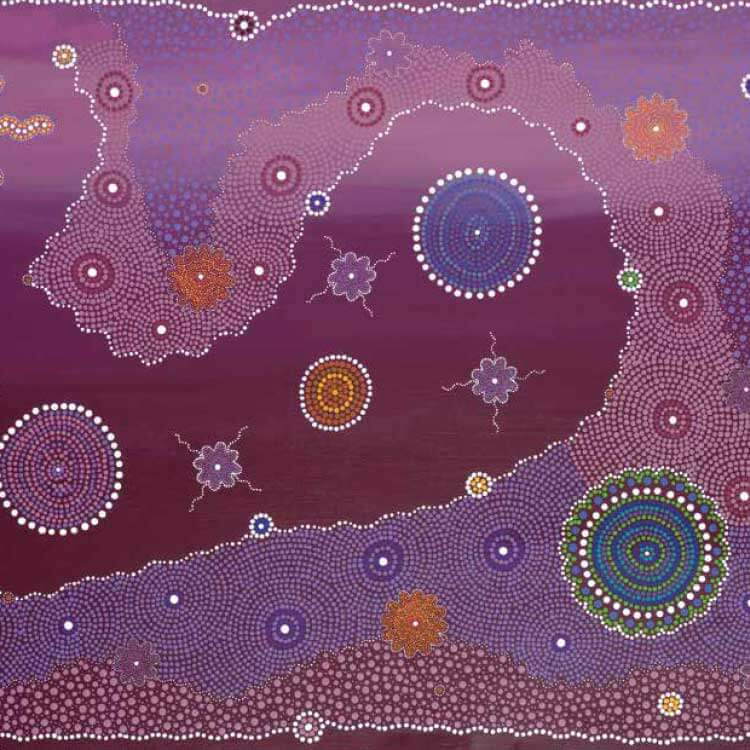
This 2nd edition is intended for staff and students and all health practitioners working in areas that support Indigenous mental health and wellbeing.
At The Kids, our vision is simple - happy healthy kids. Our goal is to make a real difference in our community to benefit children and families everywhere. Our values underpin the way we work and make decisions: collaboration, courage, evidence, respect.
We have recently published a paper identifying precursor populations in peripheral lung (2017), and have also discovered that these populations can be found in multiple tissues.
This study will identify how the immune system contributes to neurodevelopmental outcomes and will investigate the use of an agent from traditional medicines.
This study will investigate the why disease is worse in infants and how early life viral infection impacts the developing immune system.
This is a strategic “pilot” project in which we are seeking basic information on the immune cell content of gestational tissues.
This project investigates how different populations of cells within the respiratory tract immune system are altered during a viral infection.
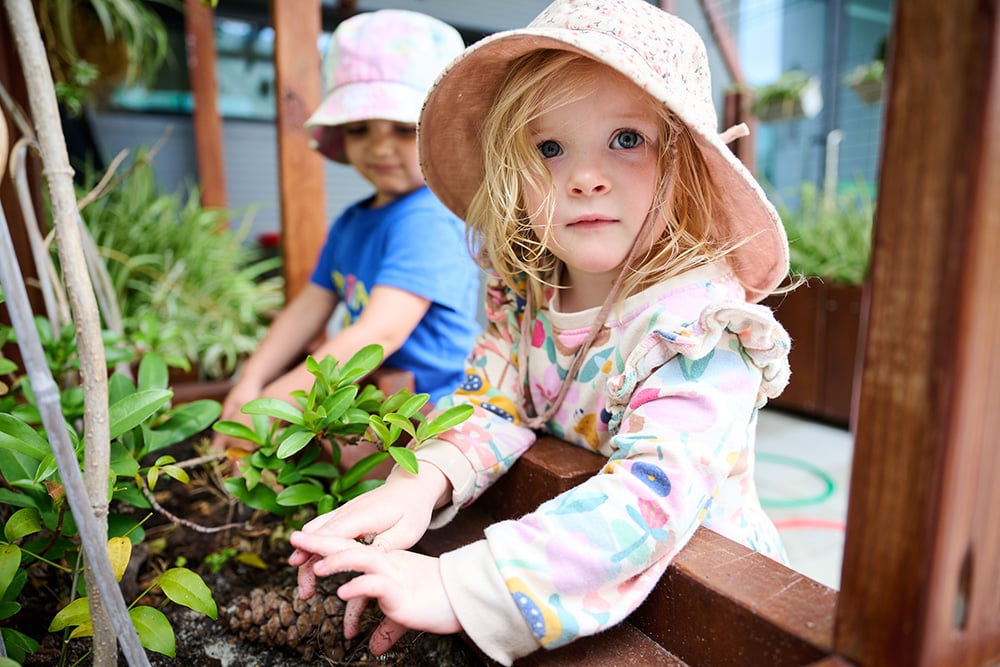
Our Wellbeing and Mental Health research focuses on improving the emotional and psychological health of children. We develop evidence-based interventions and strategies to promote resilience, prevent mental health challenges, and help kids thrive.
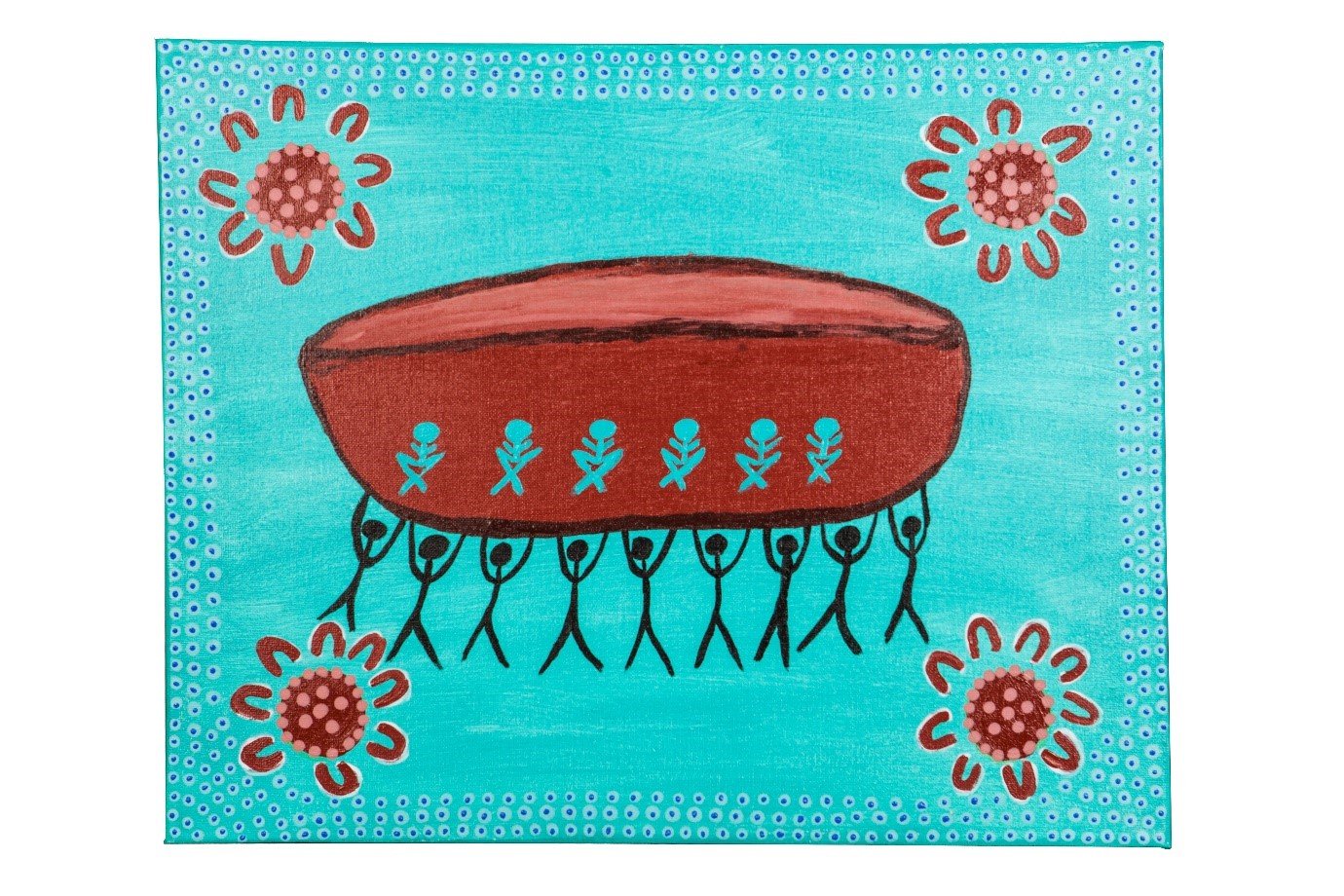
Brings the Aboriginal community(s) of Perth together with service providers & policy makers to improve outcomes for Aboriginal kids and their families.