
Search

Research
GAMA projectThis study investigated host gene expression in response to new HIV infection.
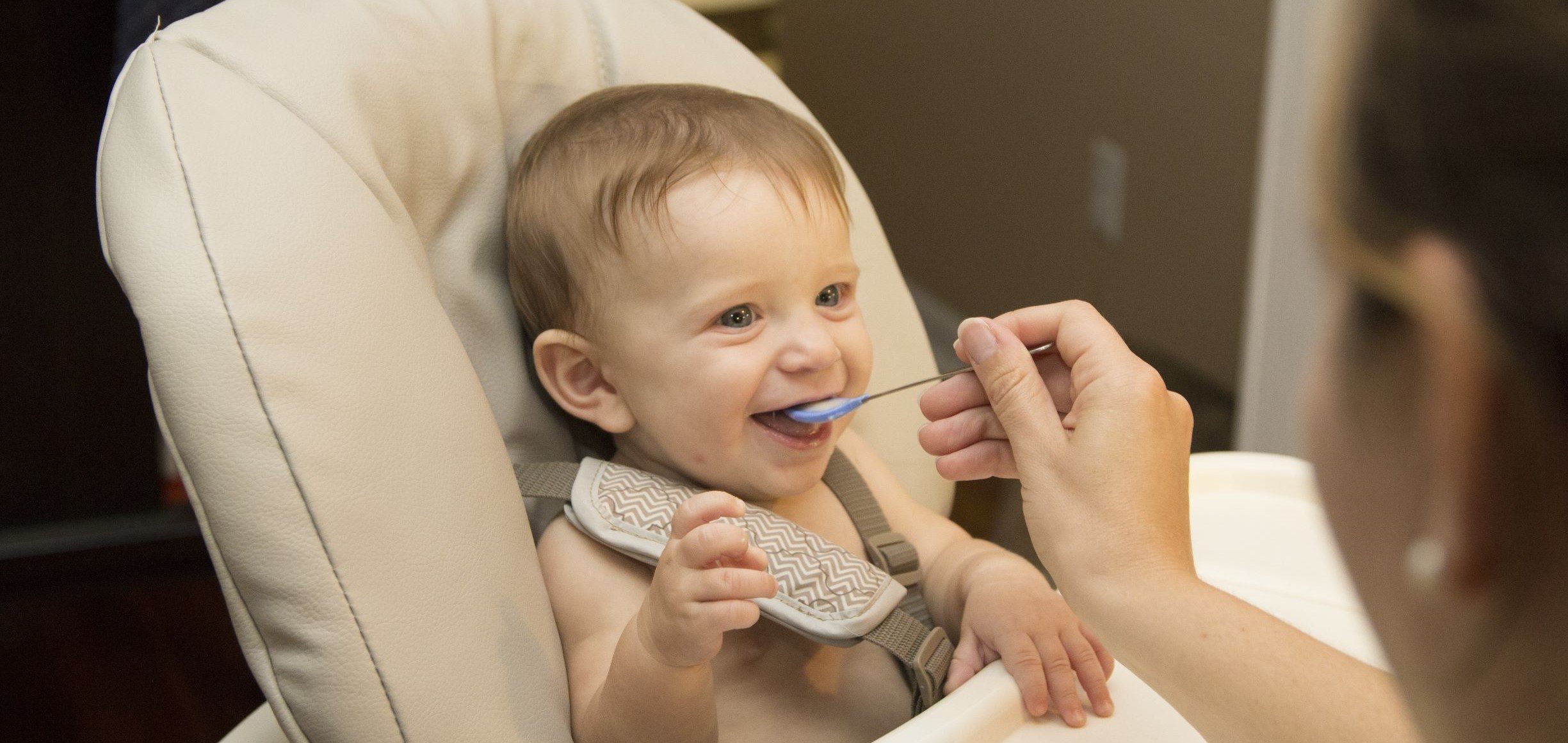
A dramatic rise in food allergies over the past 20 years had Australian medical professionals scratching their heads, with three in every ten babies born each year developing food-related allergy or eczema.
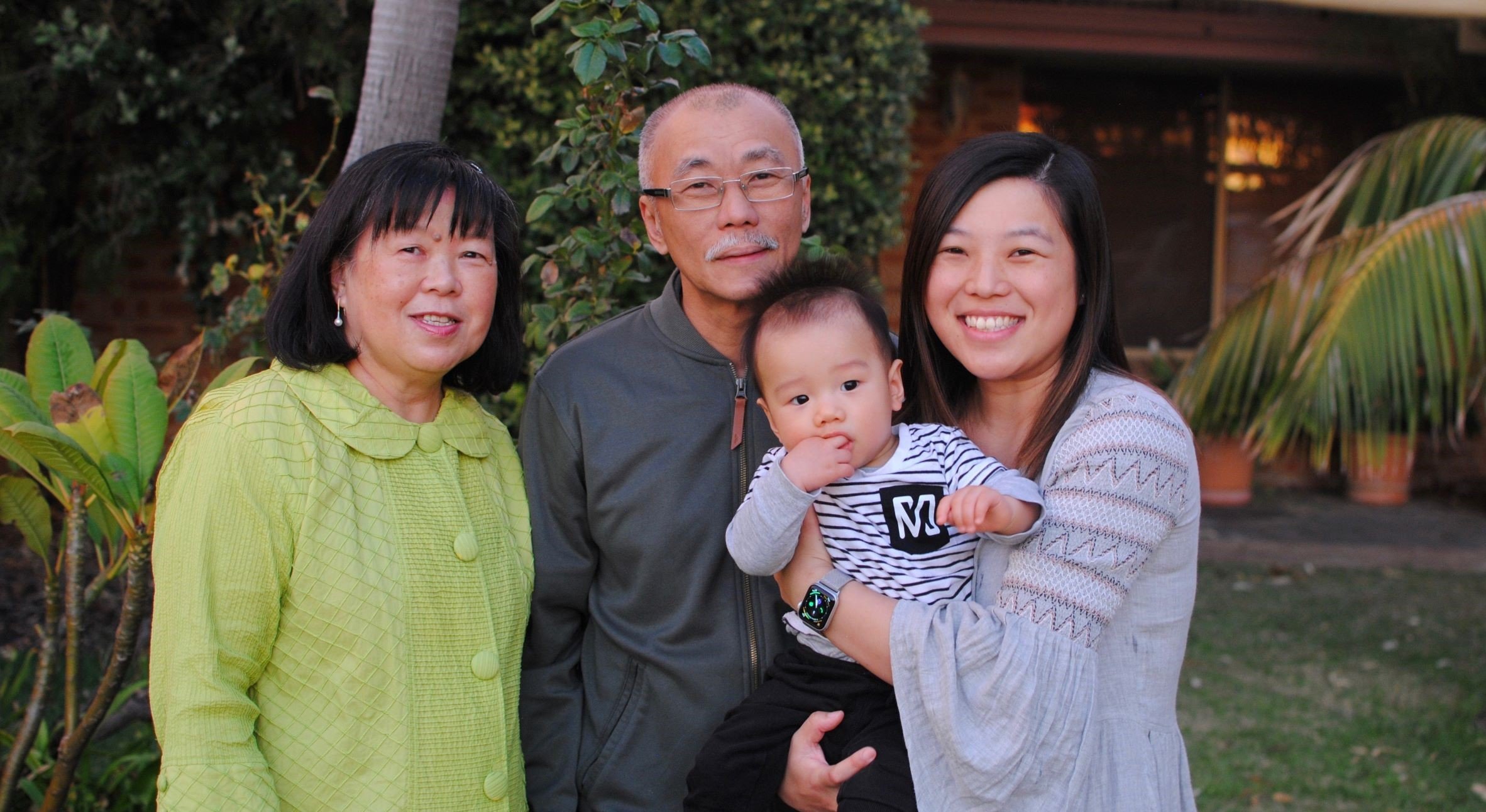
Between 1989 and 1991, almost 3,000 WA babies were recruited to the Raine Study - an ambitious research project which would yield a series of paradigm-shifting findings that changed scientific thinking. Three decades on, it has also changed the lives of those taking part.

The Yawardani Jan-ga Equine-Assisted Learning (EAL) research project, headed by Professor Juli Coffin in WA’s Kimberley region, is steadily growing its capacity to support the social, emotional and spiritual wellbeing of Aboriginal young people through the powerful medium of horses.
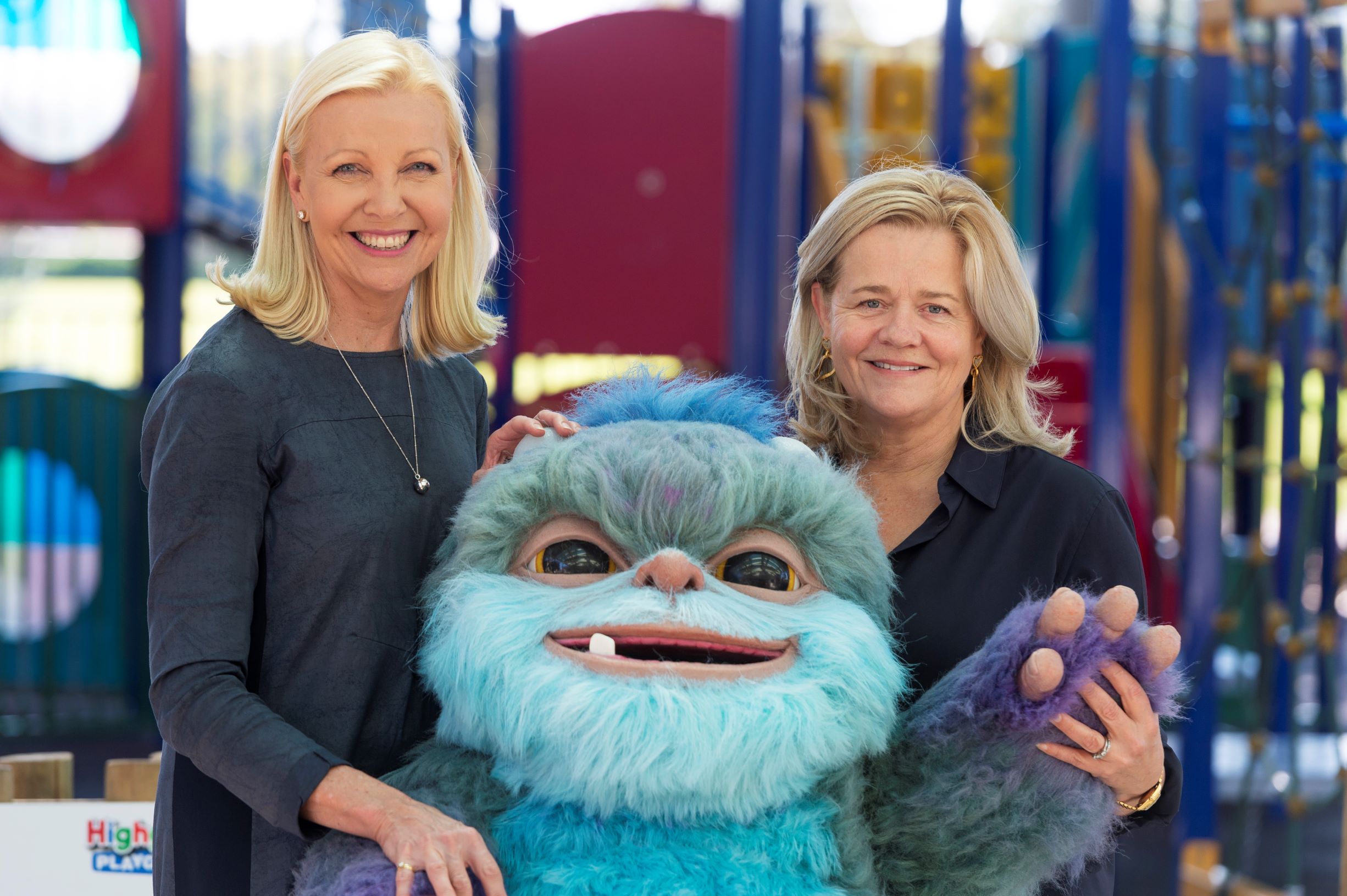
A comprehensive app produced by The Kids researchers has offered parents a lifeline as they try to cope with the isolation and disruption caused by coronavirus.

A legal change fought for by The Kids, consumer advocates, and others within the health sector – and hastened by the COVID-19 crisis – has brought WA into line with the rest of Australia, allowing critically ill or incapacitated patients access to potentially life-saving clinical trials.

For children with Austin Spectrum Disorder (ASD), it can be hard to enjoy the simple pleasures of art, but the development of an ASD guide is helping to share the wonders of art with all.
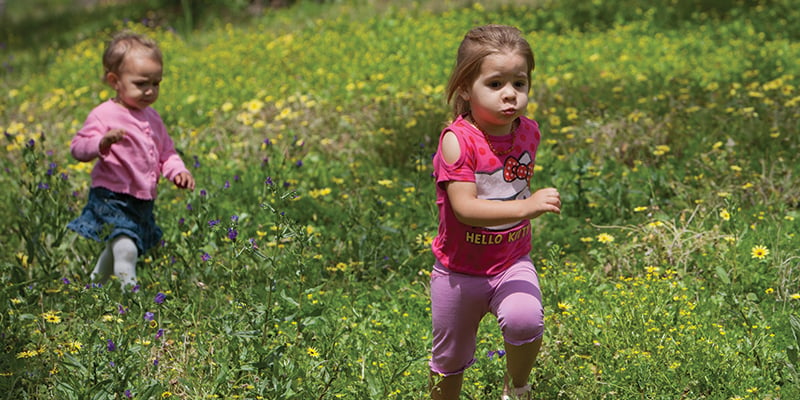
A child can’t thrive if they don’t have a roof over their head.
Research
Effects of dog ownership on children’s social-emotional development: findings from the PLAYCE cohort studyDog ownership is common in families with children and could play a role in children's social-emotional development. This study used longitudinal data on dog ownership and changing dog ownership to investigate their effects on young children's social-emotional development.
Research
A pilot evaluation of school-based LEGO robotics therapy for autistic studentsThere is emerging evidence that LEGO® therapy is an effective way of supporting younger autistic children develop their communication and social skills. LEGO® robotics therapy - which uses the principles of LEGO® therapy applied to LEGO® robotics - may be an age-appropriate intervention to reduce anxiety and increase social skills in autistic adolescents.