Search
News & Events
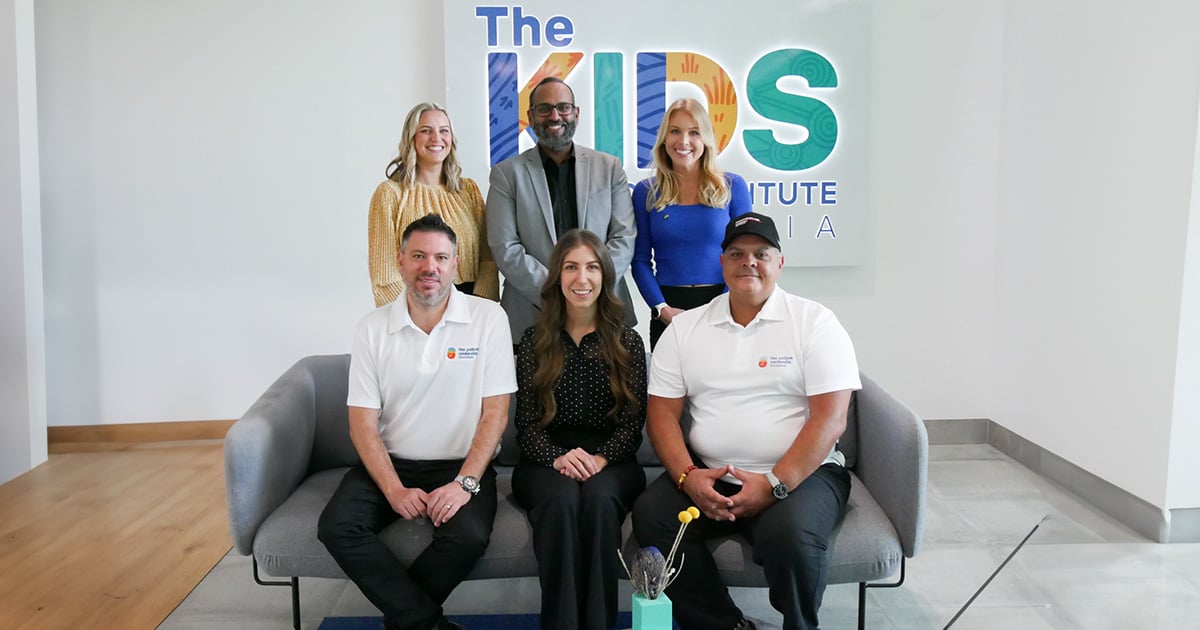
Researcher receives crucial funding for caregiver support initiativeThe Kids Research Institute Australia is deeply grateful to The Yellow Umbrella Foundation for their generous gift of $38,453 to help fund a new mental health initiative for parents and caregivers of children living with intellectual disability.
News & Events
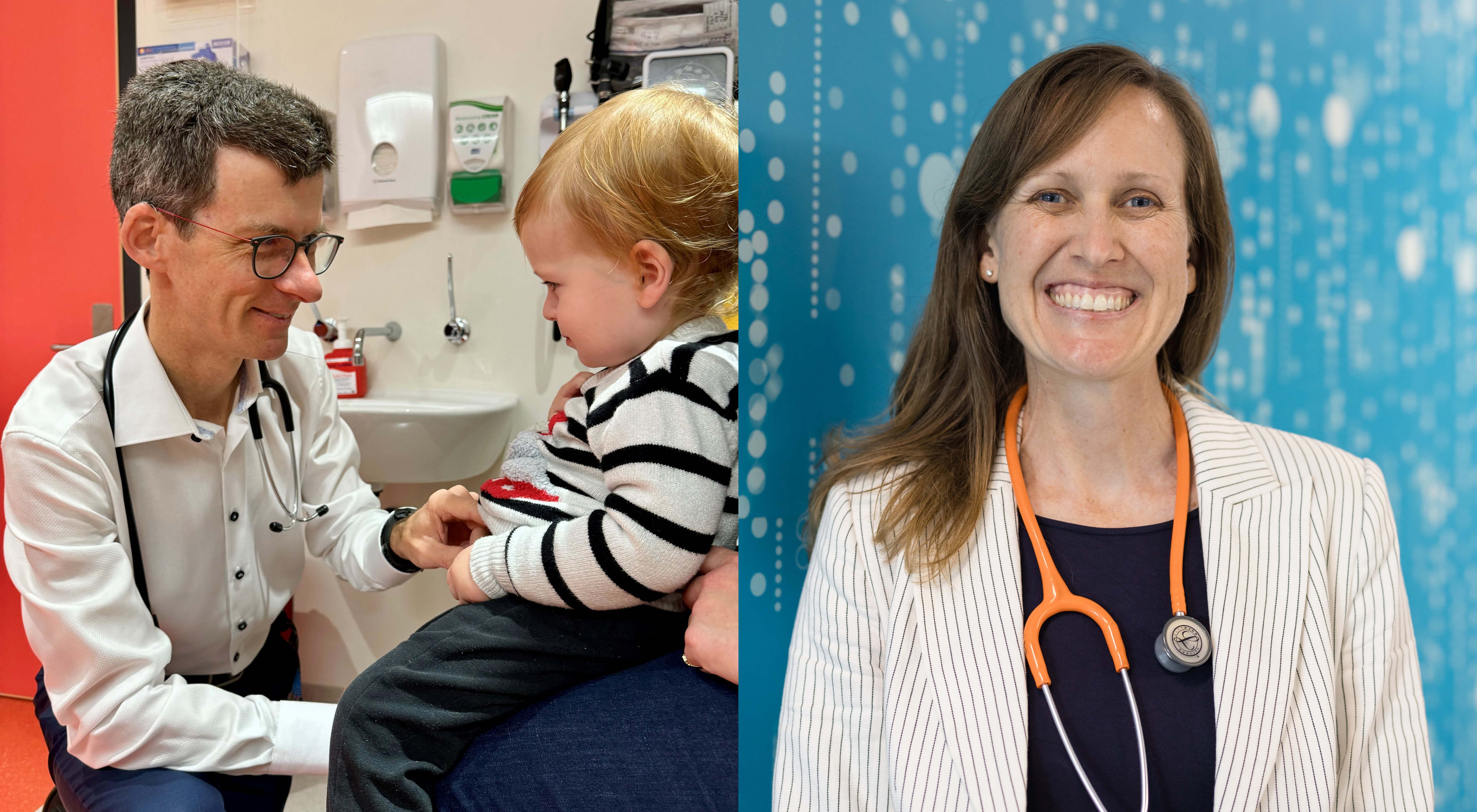
Prestigious invite for WA infectious disease expertsTwo Perth clinician-scientists have been recognised as national leaders in infectious disease research after being elected as Fellows of the esteemed Australian Academy of Health and Medical Sciences.
News & Events
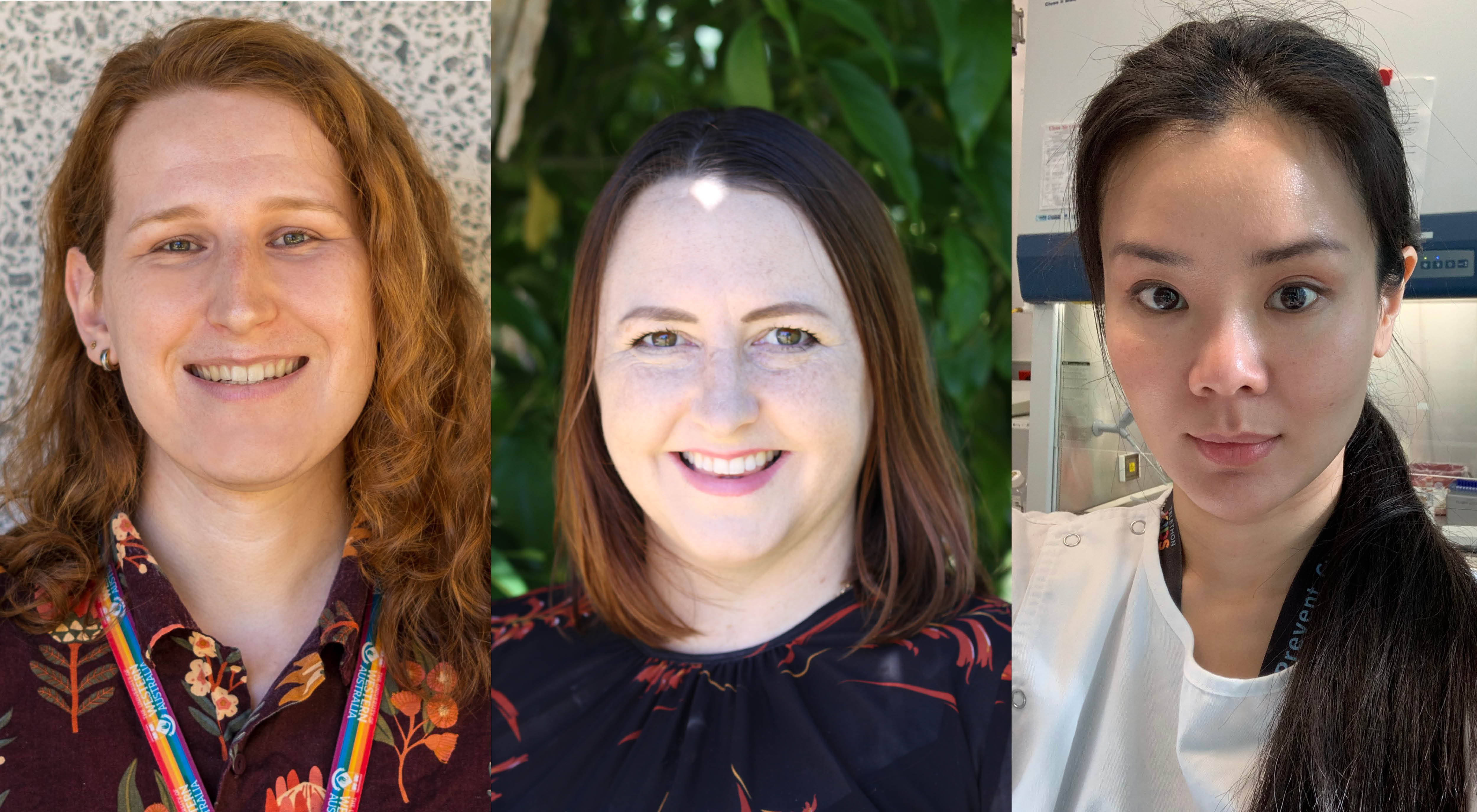
Major funding announced to kickstart key WCVID projectsThe Wesfarmers Centre of Vaccines and Infectious Diseases (WCVID) awarded three successful recipients with Catalyst research grants, with each researcher receiving $80,000 towards their chosen project.
News & Events
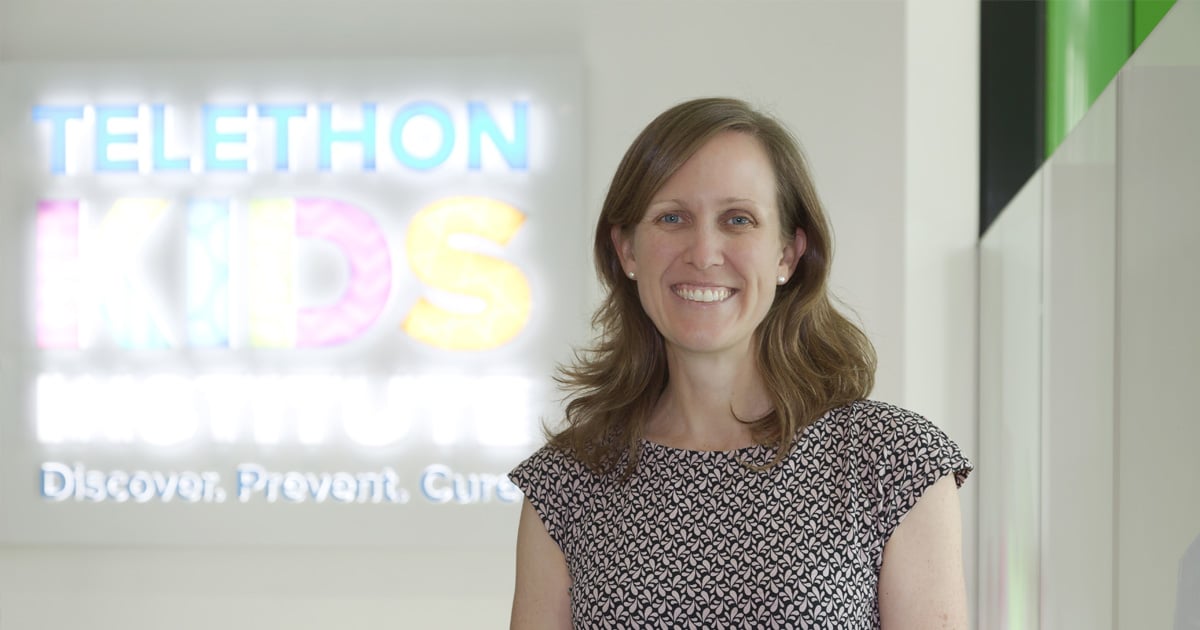
King’s Birthday Honour for infectious diseases researcherCongratulations to infectious diseases clinician-researcher Professor Asha Bowen, awarded a Medal of the Order of Australia (OAM) in the King’s Birthday Honours List for her service to medicine in the field of clinical diseases.
News & Events
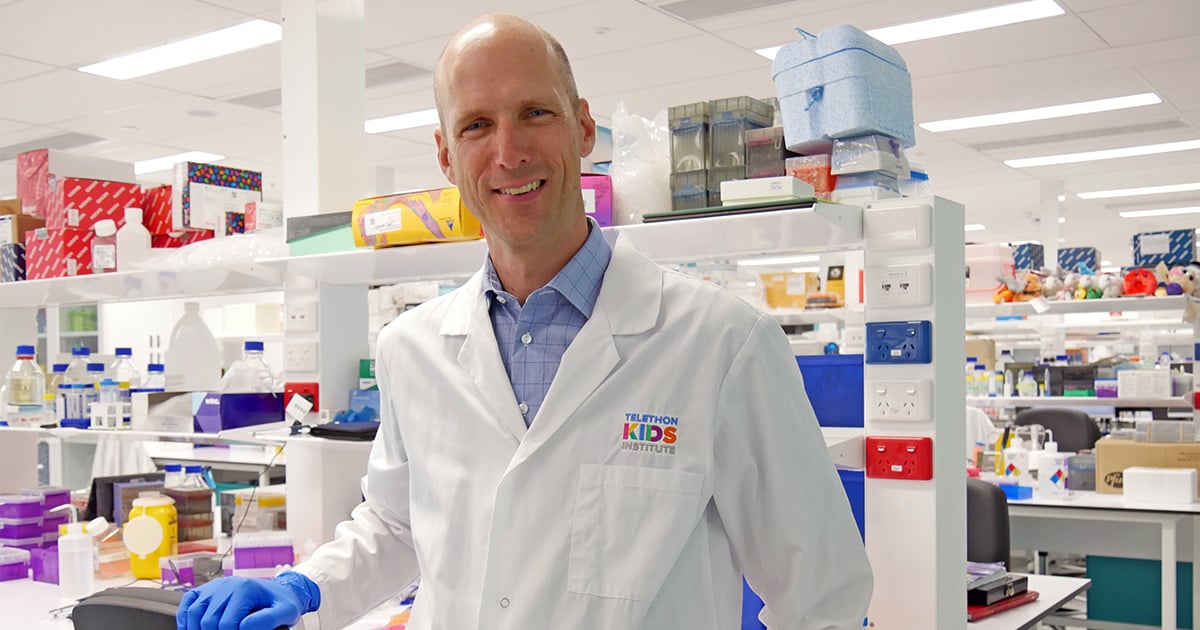
WA-based cancer pharmaceutical start-up secures CUREator fundingResearchers dedicated to developing the first cancer immunotherapy tablet have been boosted by a $374,000 CUREator top-up funding grant.
News & Events
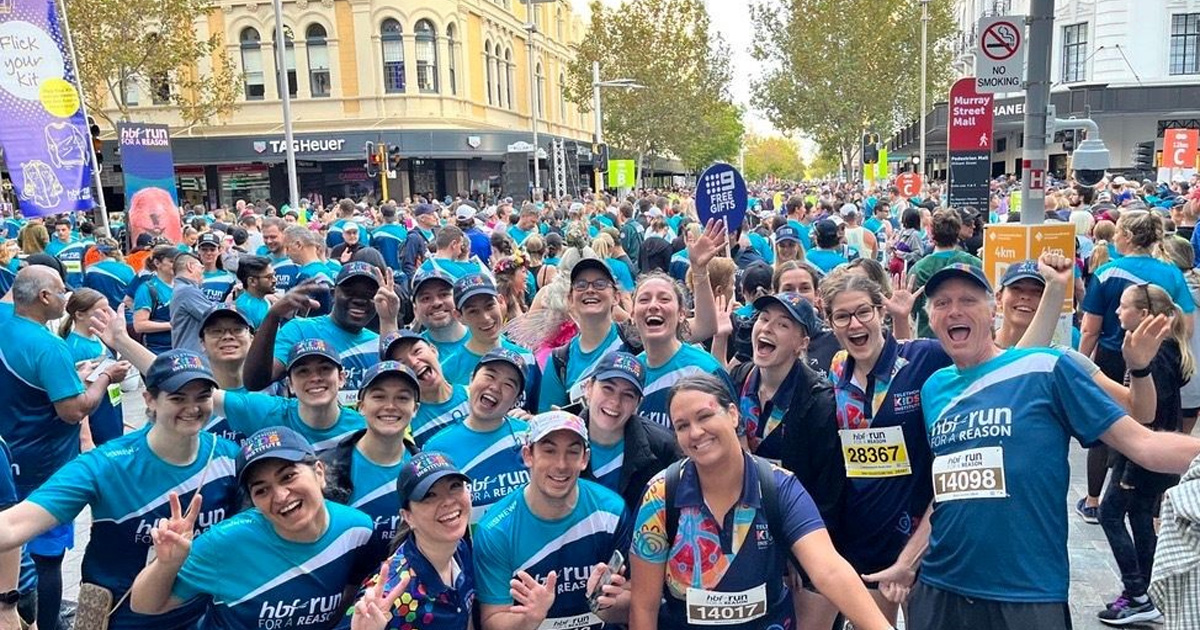
2024 Run for a Reason – Team The KidsThe HBF Run for a Reason is back and if you’re looking for a reason to take part in this year’s event, let it be child health research.
News & Events
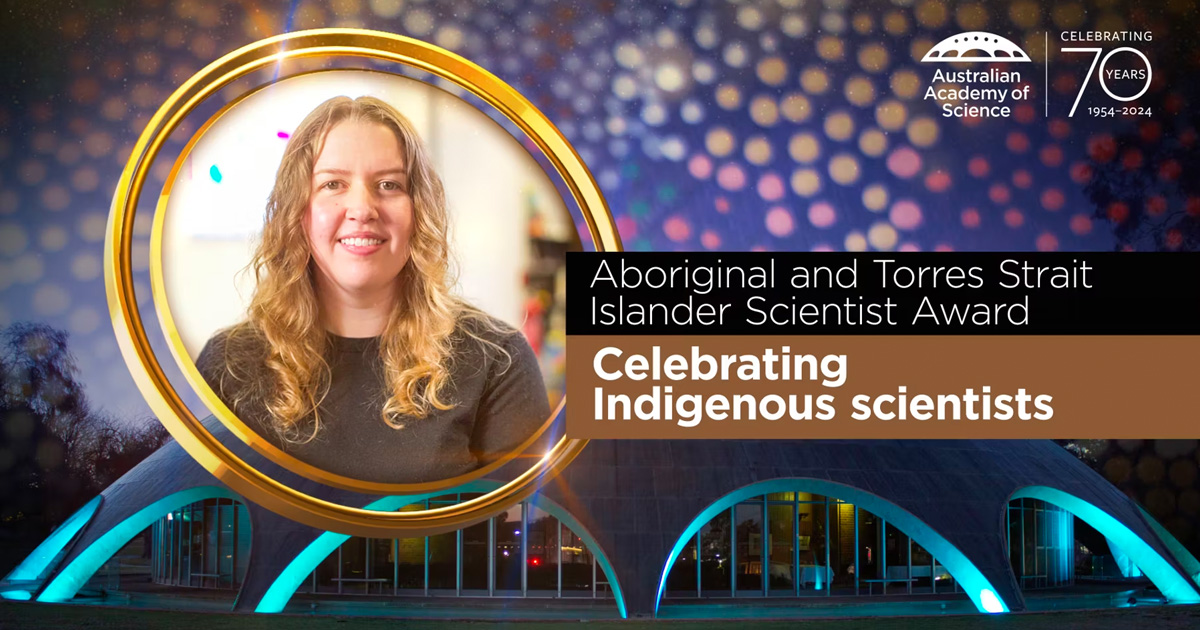
Prestigious national award for researcher seeking to improve Indigenous cancer outcomesCongratulations to Indigenous genomics researcher Dr Justine Clark, who is one of two scientists nationally to receive the Australian Academy of Science’s 2024 Aboriginal and Torres Strait Islander Science Award.
News & Events
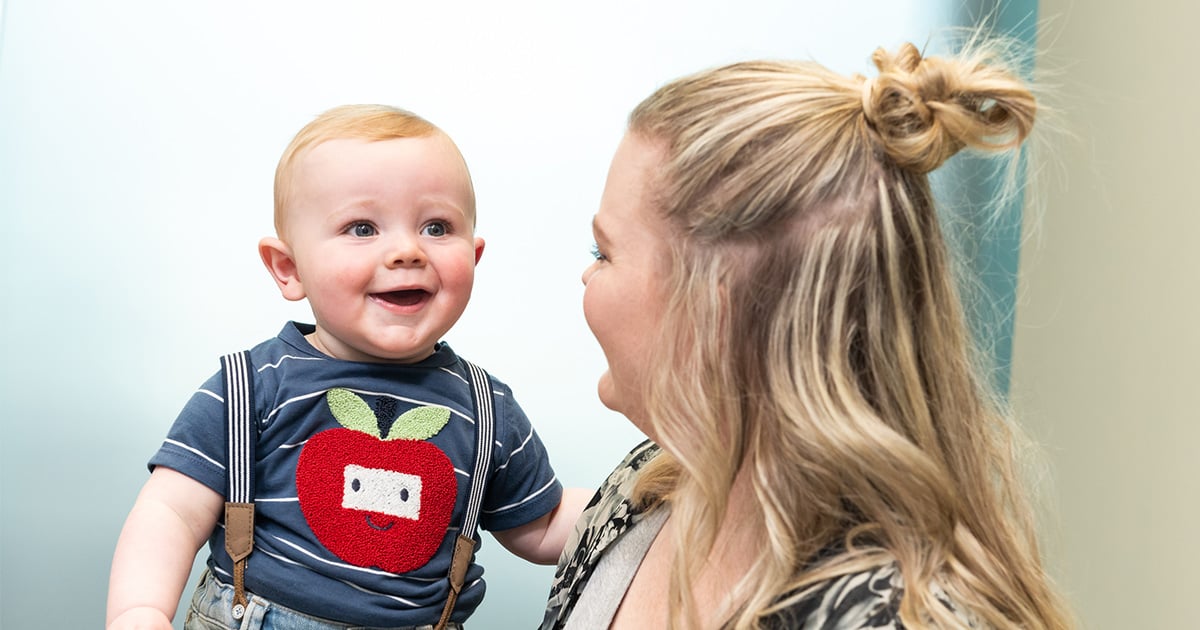
NDIA backs The Kids Research Institute Australia's program to support babies developing differentlyA world-first program for babies with delays in their social and communication skills has been launched in Western Australia, thanks to support from the National Disability Insurance Agency (NDIA).

News & Events
Decades-old work picked up by Google’s DeepMind leads to global scientific breakthroughA researcher's work from 20 years ago has helped to crack one of biology’s biggest mysteries.