
Search
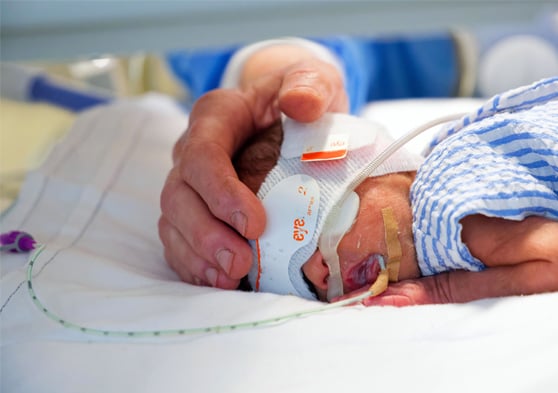
A sub-study is an ‘add-on’ study that helps to answer specific questions within a larger research project. If you decide to participate in the CIRCA DIEM study, you or your child may be invited to take part in one of the CIRCA DIEM sub-studies.
Research
COMBAT CF: A phase 3 multi-centre randomized placebo-controlled study of azithromycin in the primary prevention of radiologically-defined bronchiectasis in infants with cystic fibrosis.A phase 3 multi-centre randomized placebo-controlled study of azithromycin in the primary prevention of radiologically-defined bronchiectasis in infants with cystic fibrosis
Research
Community and Food Environments studyGina Nicole Trapp Hanna BHSc(Hons1A), RPHNutr, PhD BHlthSc (Hons) Honorary Research Associate Program Manager 08 6319 1033 Gina.Trapp@thekids.org.au
Research
Comodity forecastingProject description This project support the development of 10-year global forecasts of nets, insecticides, diagnostics, and treatments for malaria
Research
Comparing and combining the effects of low dose ultraviolet and physical activityShelley Prue Gorman Hart BSc (Hons) PhD BSc (Hons) MSc PhD Honorary Research Associate Honorary Research Fellow shelley.gorman@thekids.org.au
Research
CONNECT – Collaborative Network for Neuro-oncology Clinical TrialsRaelene Endersby BSc (Hons) PhD Brainchild Fellow; Co-Head, Brain Tumour Research raelene.endersby@thekids.org.au Co-Head, Brain Tumour Research
Research
CORONAVAX – Preparing Community and GovernmentChristopher Blyth MBBS (Hons) DCH FRACP FRCPA PhD Centre Head, Wesfarmers Centre of Vaccines and Infectious Diseases; Co-Head, Infectious Diseases
Research
CRISPR gene editing and stem cell disease modelling: a new path to genetic and rare disease patient diagnosisVanessa Timo Fear Lassmann BSc (Hons), PhD BSc (Hons) MSc PhD Head, Translational Genetics Team Feilman Fellow; Head, Precision Health Research and
Research
Defining Group A Streptococcus interaction with the tonsil epithelium to inform vaccine developmentA vaccine that prevents the initial attachment of Strep A to the tonsils would reduce the incidence of Strep throat and severe diseases that result.
Research
DETECT SchoolsThe DETECT-Schools Study was launched in May 2020 as a partnership between the WA Government Departments of Education and Health with The Kids Research Institute Australia.