Search
Showing results for "1"
Want to know how to be involved with WAERP? Or how long the project is running for? View our Frequently Asked Questions (FAQs) for answers to these questions and more.
Research
Down syndrome studies; the transition from secondary school to adulthood: Experiences and life outcomes for youth with an intellectual disability and their familiesHelen Jenny Keely Leonard Downs Bebbington MBChB MPH BApplSci (physio) MSc PhD MClinPsych/PhD Principal Research Fellow Head, Child Disability
Research
Maternal consumption of coffee and tea during pregnancy and risk of childhood ALL: a pooled analysis from the childhood Leukemia International ConsortiumOur findings suggest that high coffee intake during pregnancy may increase risk of childhood acute lymphoblastic leukemia
Research
Long-term survival for infants born with orofacial clefts in Western AustraliaParents with a child diagnosed with an OFC ± additional minor anomalies only can be reassured that the OFC does not influence survival rates in infancy
Research
Genome-wide association study of autistic-like traits in a general population study of young adultsResearch has proposed that autistic-like traits in the general population lie on a continuum, with clinical ASD representing the extreme end of this...
Research
Identification and genetic determination of an early life risk disposition for depressive disorder:Progress in psychiatric genetics has been slow despite evidence of high heritability for most mental disorders
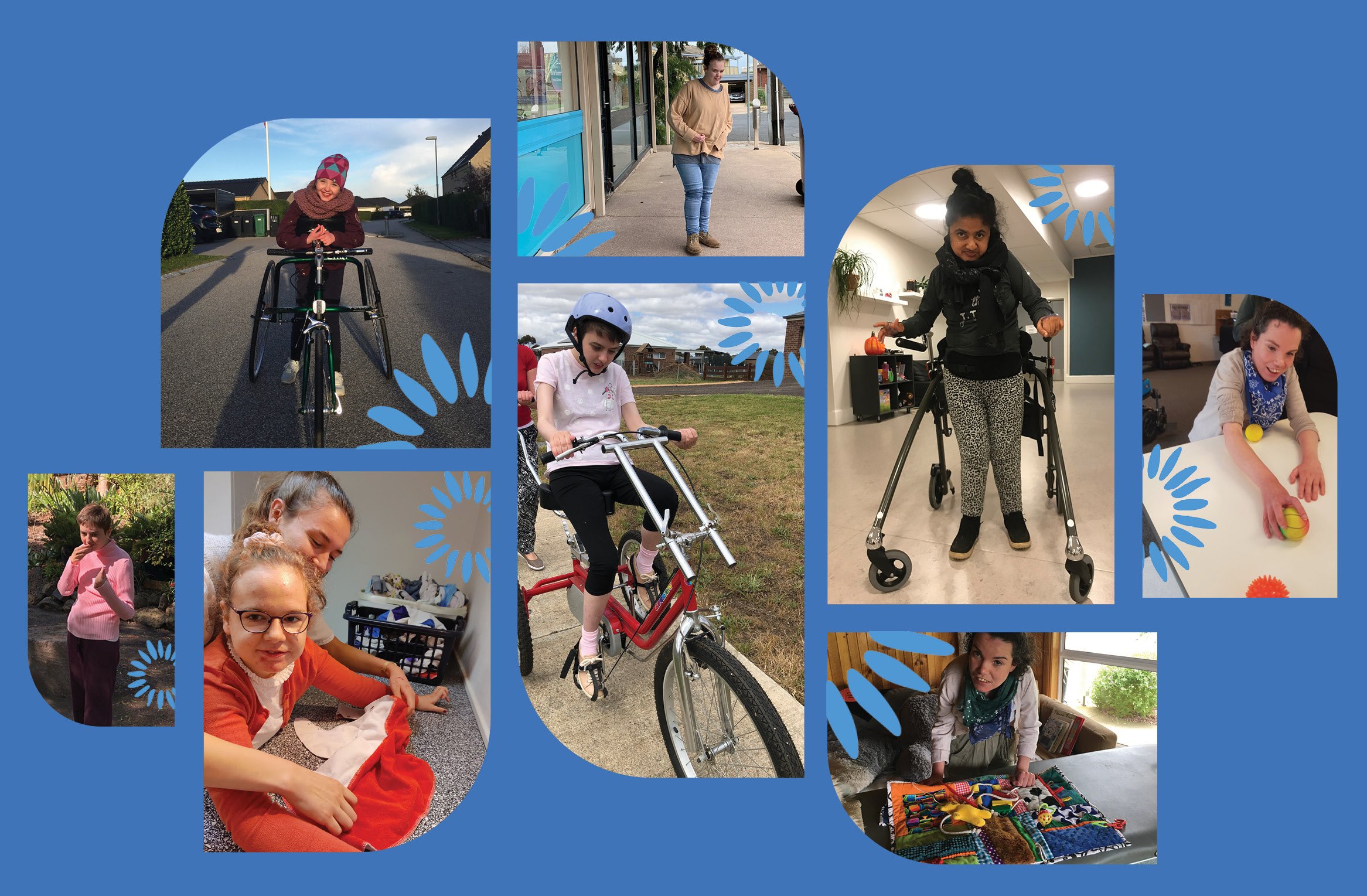
Embrace the potential of children with Rett Syndrome by exploring how to plan opportunities for uptime, maximizing their engagement and participation in meaningful activities.
Research
Acute Lymphoblastic Leukemia in Infants: A Distinctive, High-Risk Subtype of Childhood Acute Lymphoblastic LeukemiaAcute lymphoblastic leukemia (ALL) in infants younger than 1 year of age is an aggressive, high-risk subtype of childhood ALL. Infant ALL with KMT2A-r is characteristically poorly responsive to chemotherapy and hematopoietic stem cell transplantation. New strategies, such as molecularly targeted therapies and immunotherapies, are in development and show promise in preclinical models and early phase studies.
The aim of RESP-ACT is to reduce these children’s respiratory hospital admissions and visits to Emergency Department, and to help them and their families to have as the best possible quality of life.
Research
Interferon β-1a ring prophylaxis to reduce household transmission of SARS-CoV-2: a cluster randomised clinical trialAccumulating evidence indicates that an early, robust type 1 interferon (IFN) response to SARS-CoV-2 is important in determining COVID-19 outcomes, with an inadequate IFN response associated with disease severity. Our objective was to examine the prophylactic potential of IFN administration to limit viral transmission.