Search
Showing results for "autism"
Research
Real-world benefits and tolerability of trofinetide for the treatment of Rett syndrome: The LOTUS studyAim: To describe the real-world effects of trofinetide in individuals with Rett syndrome (RTT) using the 18-month follow-up analysis of the LOTUS study.
Research
Wellbeing studyBurns are a common cause of emergency presentations, and most burn injuries happen to children and adolescents.
Research
Evaluation of the Child and Parent Centre Program in Western Australia 2015-2021This evaluation examines a range of indicators concerning student and community outcomes over a seven-year operational period from 2015 to 2021, as well as the satisfaction of parents and carers.
Research
Comparing Web-Based Mindfulness With Loving-Kindness and Compassion Training for Promoting Well-Being in Pregnancy: Protocol for a Three-Arm Pilot Randomized Controlled TrialPromoting psychological well-being and preventing distress among pregnant women is an important public health goal. In addition to adversely impacting the mother's health and well-being, psychological distress in pregnancy increases the risk of poor pregnancy outcomes, compromises infant socioemotional development and bonding, and heightens maternal and child vulnerability in the postpartum period. Mindfulness and compassion-based interventions show potential for prevention and early intervention for perinatal distress.
News & Events
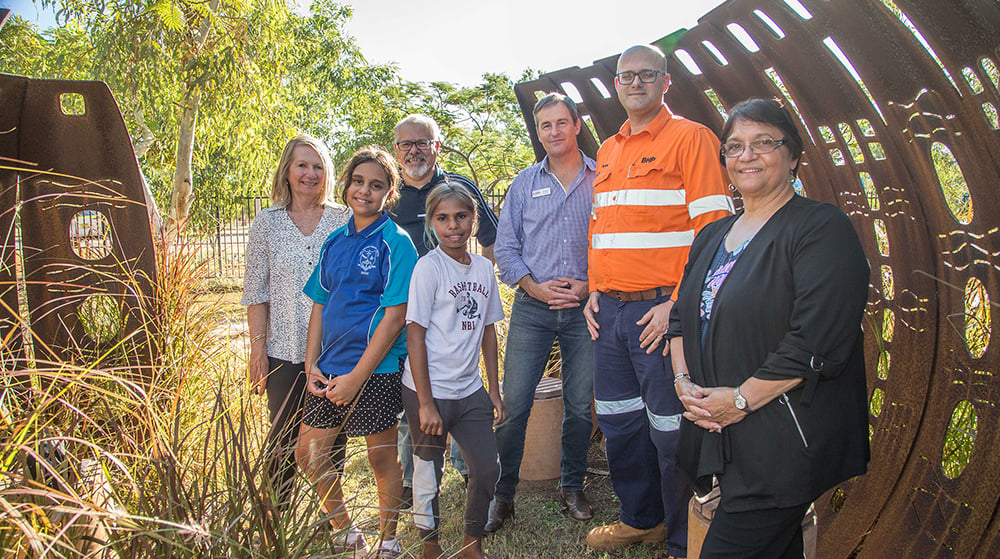
Five-year Hedland FASD Project wraps upA five-year, $5 million research program funded by BHP and aimed at reducing the prevalence and impact of FASD in the Pilbara officially wrapped in South Hedland last night.
News & Events
Rett syndrome research reveals high fracture riskGirls and young women with Rett syndrome are nearly four times more likely to suffer a fracture.
Research
Parent Child Assistance Program - A Pilot Study in PerthMartyn Amy Symons Finlay-Jones B.A. (Hons) PhD. BPsych(Hons), MPsych(Clinical), MHealthEcon, PhD (Clin Psych) Honorary Research Associate Head, Early
Research
Review of Universal Access Funded Aboriginal Children with Hearing Impairment Support ProgramIn 2021 the South Australian Department for Education commissioned The Kids Research Institute Australia to undertake a review of the Hearing Impairment Support Program (HISP).
Research
Evaluation of Children's Centres in South AustraliaYasmin Harman-Smith BA, BHlthSc(Hons), PhD Head, Early Years Systems Evidence; Head, Tenders Support Unit Yasmin.harman-smith@thekids.org.au Head,
Design custom data collection forms using WinForms and ASP.Net, administration of data collection, and general database interrogation and management.