
Search
Showing results for "autism"
Research
Systematic Review and Meta-Analysis: Early Irritability as a Transdiagnostic Neurodevelopmental Vulnerability to Later Mental Health ProblemsIrritability is a transdiagnostic indicator of child and adolescent internalizing and externalizing problems that is measurable from early life. The objective of this systematic review was to determine the strength of the association between irritability measured from 0 to 5 years and later internalizing and externalizing problems, to identify mediators and moderators of these relationships, and to explore whether the strength of the association varied according to irritability operationalization.
Research
Web-Based Self-Compassion Training to Improve the Well-Being of Youth With Chronic Medical Conditions: Randomized Controlled TrialUp to one-third of young people live with chronic physical conditions (eg, diabetes, asthma, and autoimmune disease) that frequently involve recurrent pain, fatigue, activity limitations, stigma, and isolation.
Research
Does late childbearing increase the risk for behavioural problems in children? A longitudinal cohort studyThis study aimed to examine the relationship between advanced parental age and behavioural outcomes in offspring in a longitudinal cohort of children in...
Research
"The problem with running"-Comparing the propulsion strategy of children with Developmental Coordination Disorder and typically developing childrenThis study compared strategies of propulsion and power generation at the ankle during late stance/early swing in both walking and running in children with...
Research
The interaction between respiratory viruses and pathogenic bacteriaData on asymptomatic identification rates of respiratory viruses are limited, particularly in Indigenous populations, who suffer a high burden of OM.
Research
Exploring local government areas with significant shifts in child development between 2009 and 2012 on the Australian Early Development CensusThis project analysed AEDC results across Australia, to identify communities with significant improvement (decreases in developmental vulnerability) between 2009 and 2012
Research
Low serum 25-hydroxyvitamin D concentrations associate with non-alcoholic fatty liver disease in adolescents independent of adiposityThis paper examined the link between low serum Vitamin D levels and development of non-alcoholic fatty liver disease (NAFLD) in adolescents between 14 and 17...
Research
Association between socioeconomic status and the development of asthma: analyses of income trajectoriesUsing data on 2868 children born in the Western Australian Pregnancy Cohort (Raine) Study, we examined the association between changes in family...
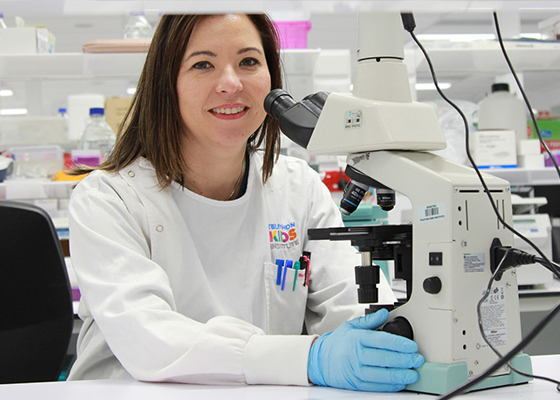
We identify, develop and commercialise the technologies and innovations developed by our scientists and clinicians.

News & Events
Sun safe: balancing the risks and benefitsThe D-Light program, set up in 2014, aims to shed light on the amount of sun exposure that will promote good health in children and adolescents.