Search
News & Events
New research partnership to ensure no child gets left behindResearchers will track the progress of 12,000 children from birth to age five to identify what services are valuable to families to support the health and wellb

News & Events
The Kids Research Institute Australia researcher awarded prestigious Eureka prizeA The Kids Research Institute Australia researcher who is part of an international research project working to understand how our genes keep us healthy has been awarded an Au
News & Events
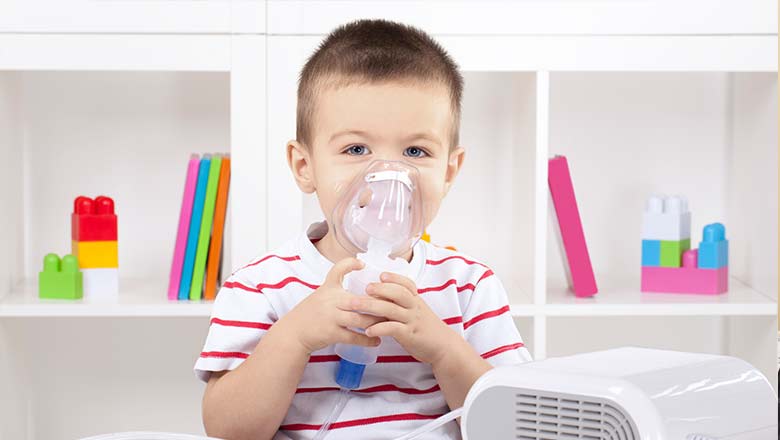
Funding boost to improve anaesthesia safety for kids with asthmaTelethon Kids Institute and the PMH Anaesthesia Research Team will work to improve the safety for young children with asthma undergoing general anaesthesia.
News & Events
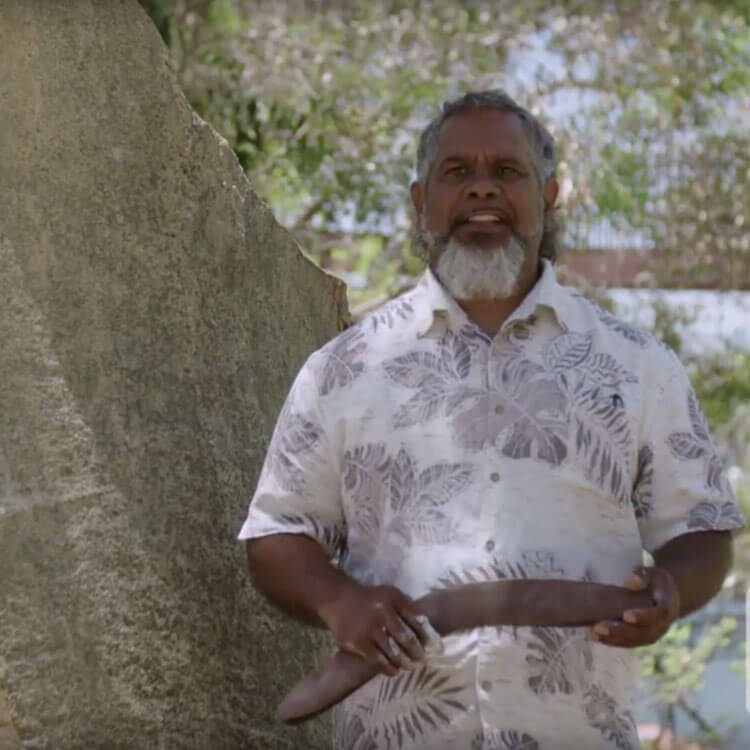
Video: Aboriginal AsthmaWadjuk Nyungar man Walter McGuire talks about the importance of air quality to our health.

News & Events
The Kids researchers awarded Raine Medical Research Foundation fundingCongratulations to three The Kids Research Institute Australia researchers, who have been awarded funding from the Raine Medical Research Foundation.
News & Events
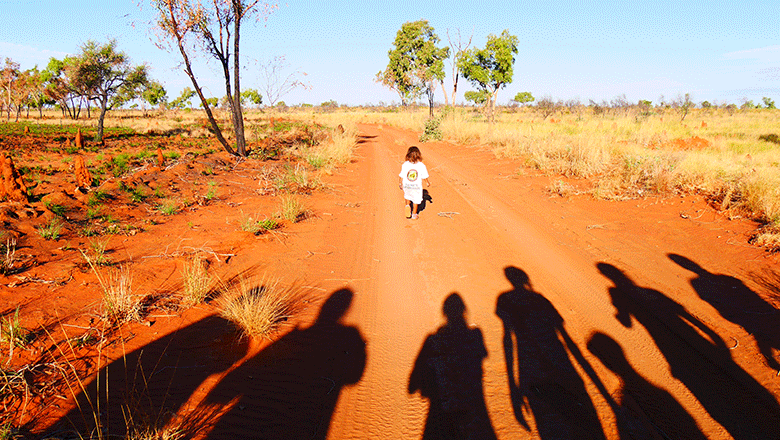
Alcohol restrictions a powerful tool for communitiesThere is growing evidence that alcohol restrictions are effective in empowering communities to reduce the immediate and long term impacts of alcohol.

News & Events
The Kids and GE Healthcare sign strategic collaboration agreementThe Kids and GE Healthcare have joined forces to improve the health and wellbeing of children and families.
News & Events
Helping IVF deliver healthy babiesDr Hansen’s study found children born through ART had a twofold risk of having a birth defect. The results were published in the prestigious New England Journal

News & Events
Celebrating 25 yearsAs our Founding Director Fiona Stanley puts it, The Kids Research Institute Australia was formed on a "wing and a prayer".
News & Events
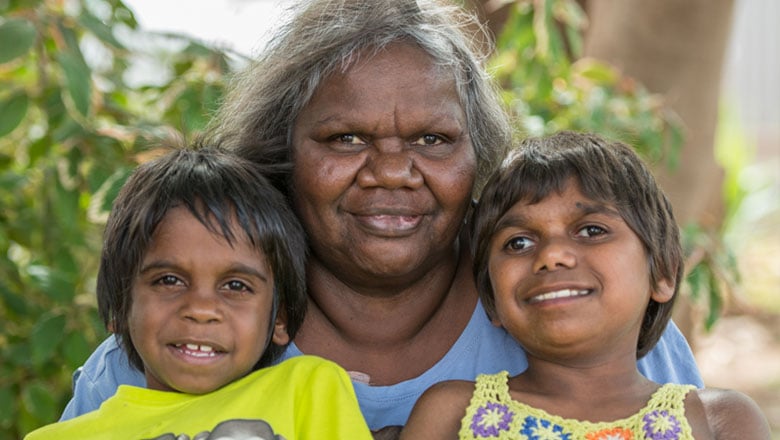
Exploring resilience as a pathway to Aboriginal young people's healthCan resilience improve health outcomes in Aboriginal young people? That question will be explored by The Kids Research Institute Australia researcher Clair Scrine.