
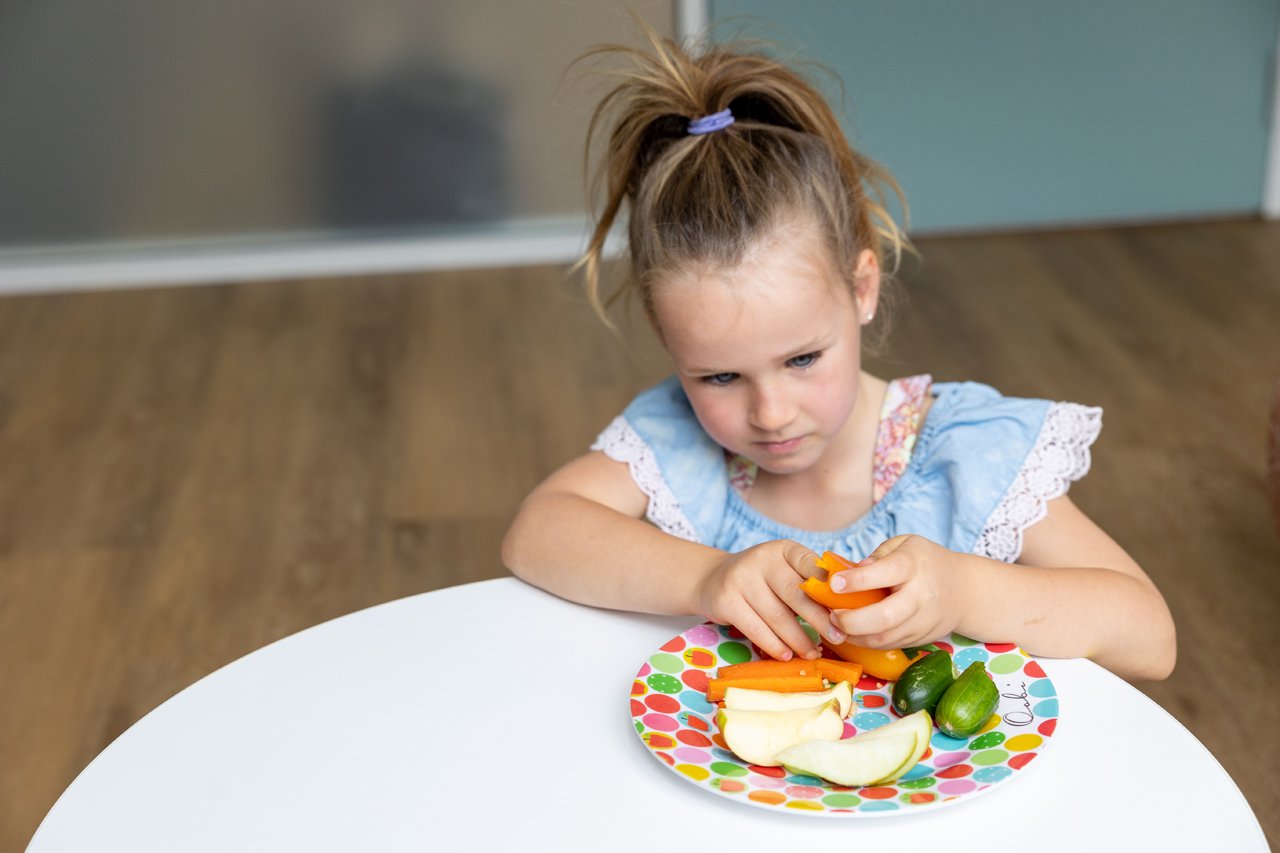
ORIGINS has a large number of sub-projects exploring the link between a mother's diet during pregnancy and health outcomes of the child. Projects als…
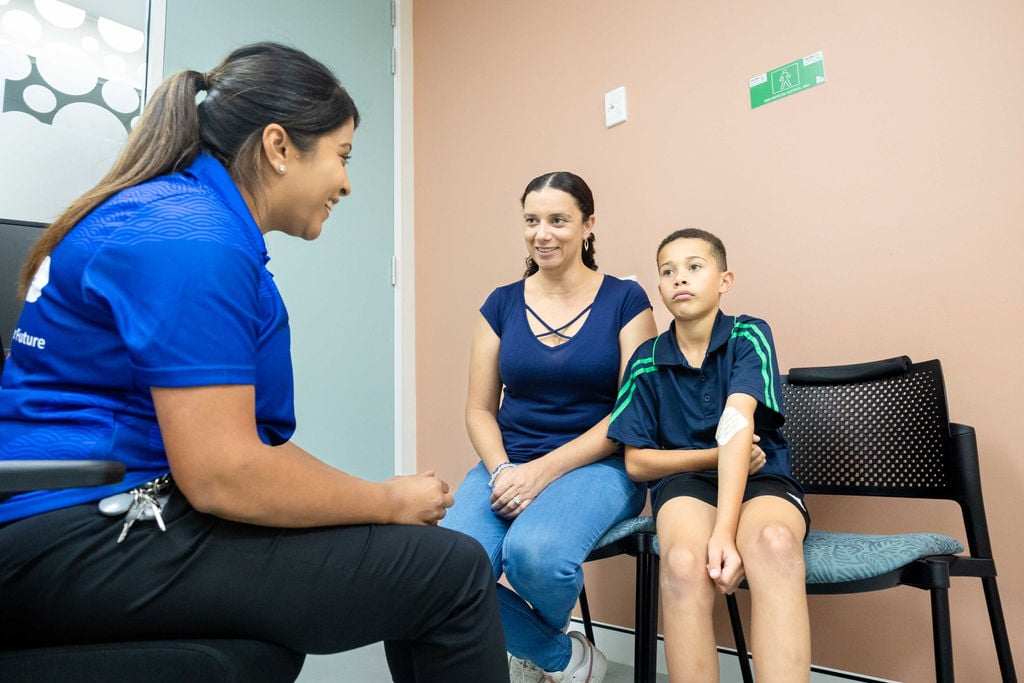
ORIGINS has several sub-projects exploring allergy development within the cohort, with a focus on respiratory conditions such as asthma and nutrition…
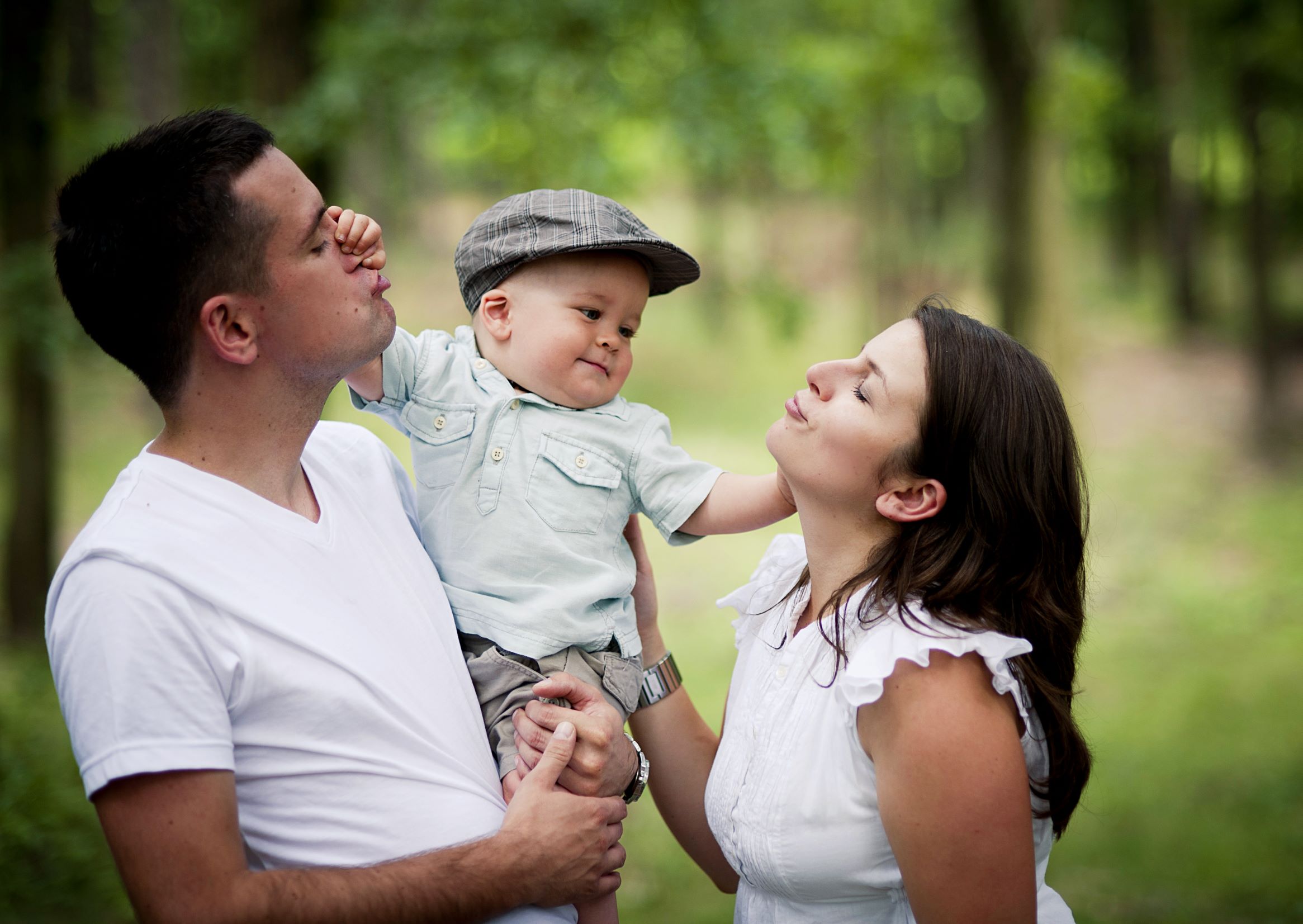
New funding from Channel 7 Telethon Trust is allowing ECU researchers to work with ORIGINS families to investigate how parents and their babies can b…
Dr Debbie Palmer spoke to Ch7 Sunrise about the changing advice for parents about the development of food allergies in kids.
Tele-dentistry can be useful to facilitate screening of children, especially those living in rural and remote communities, and during the COVID-19 pa…
Childhood is a critical period of immune development. During this time, naïve CD4 T cells undergo programmed cell differentiation, mediated by epigen…
The aim of this review was to map the literature assessing associations between maternal or infant immune or gut microbiome biomarkers and child neur…
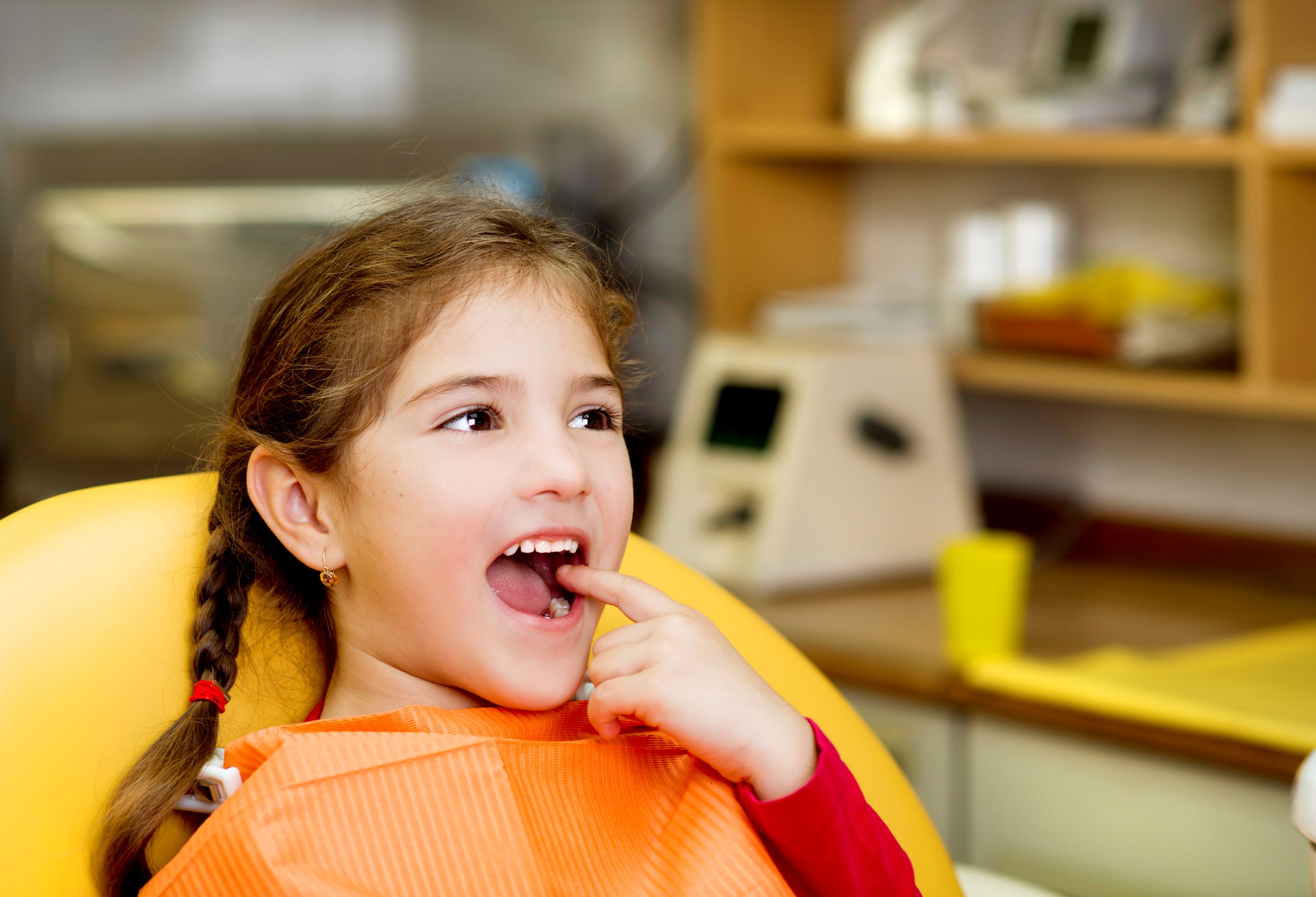
ORIGINS' Dental Screening project has completed its feasibility study, showing that the tested smartphone app, enabling remote screening of children'…
Investigating school readiness in ORIGINS' five-year-olds
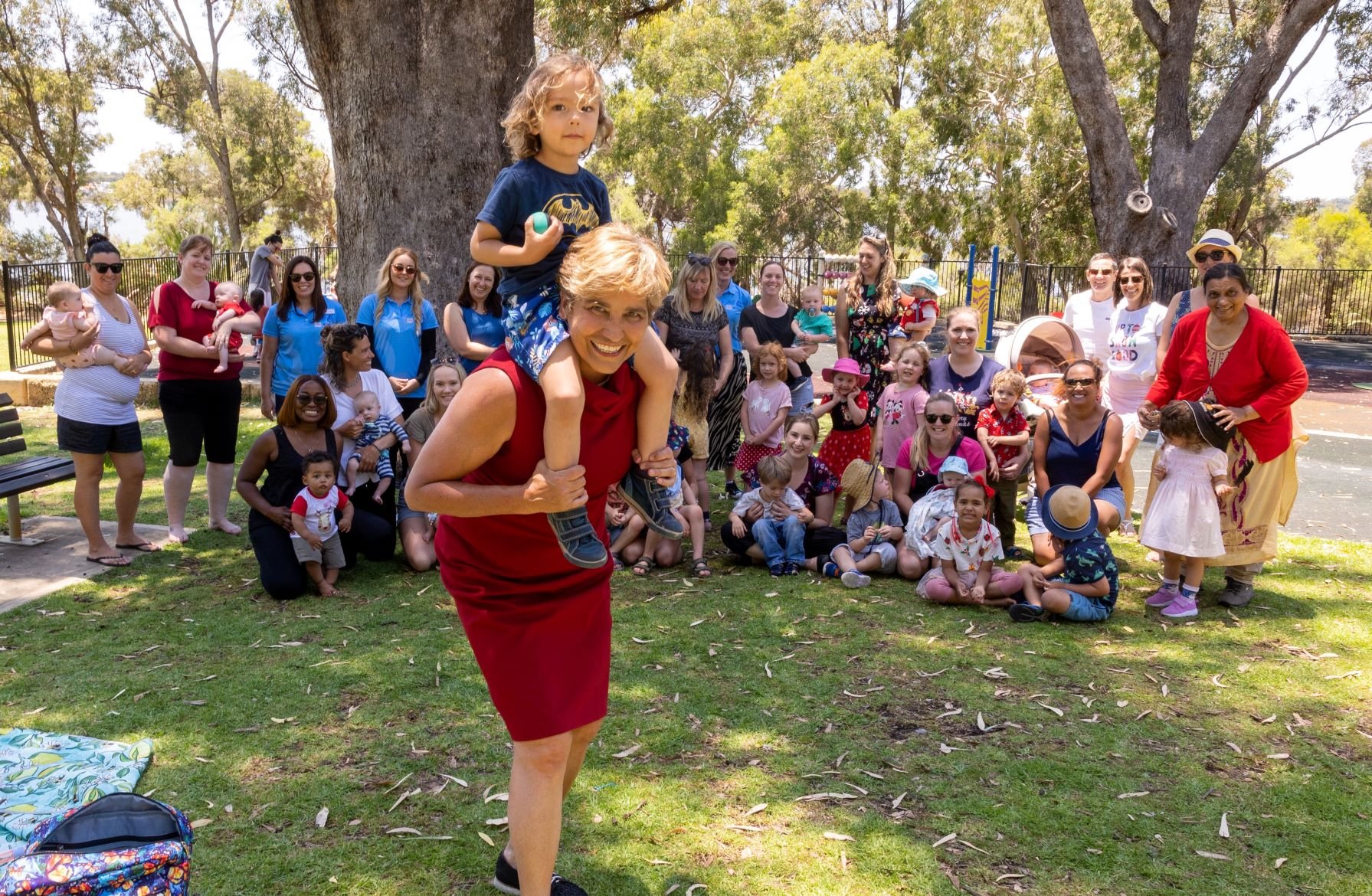
ORIGINS has officially reached the study's five-year goal of recruiting 4,000 active participants to the project and has closed recruitment of new fa…