Search
News & Events
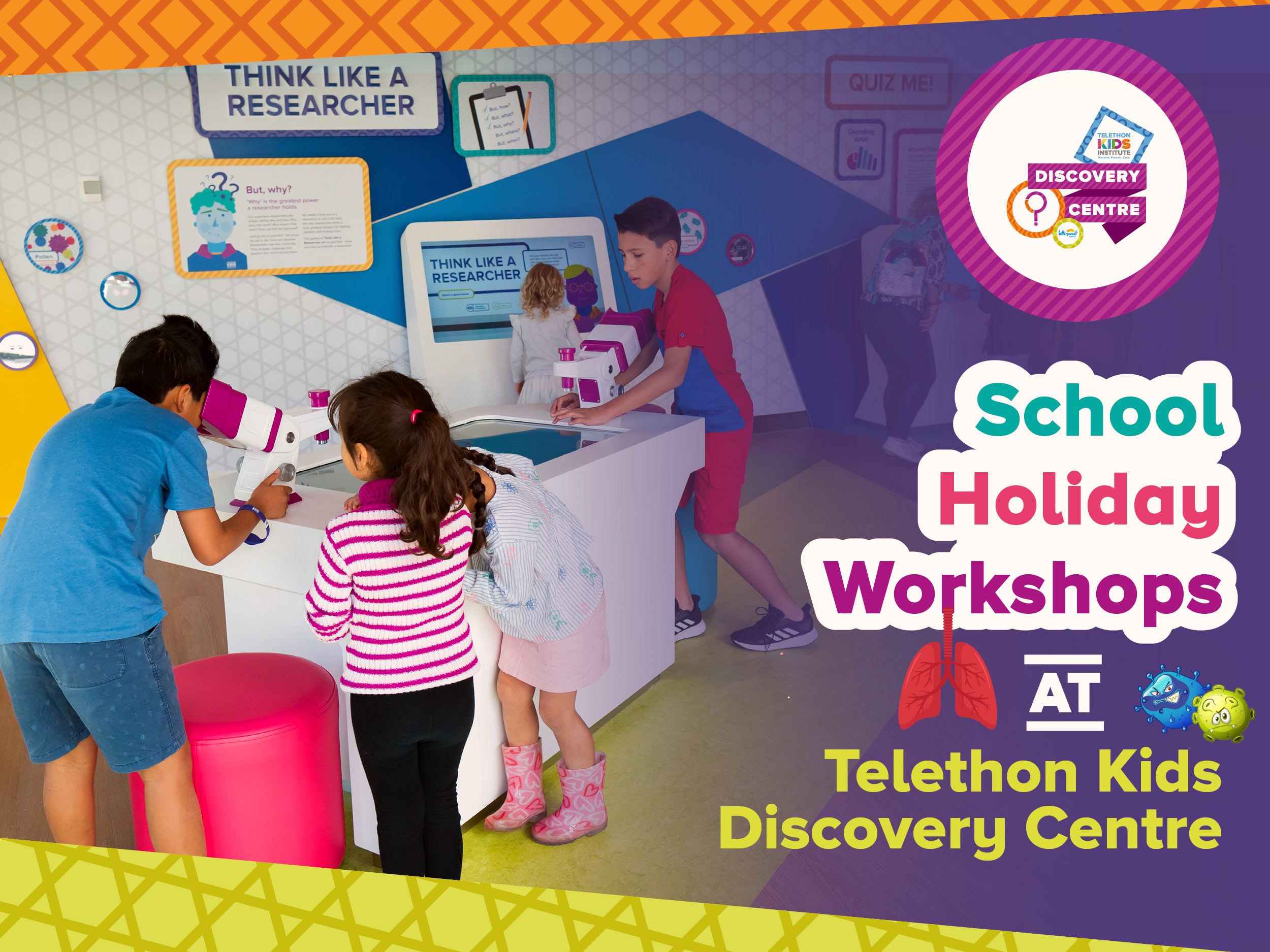
January school holiday workshopsThe The Kids School Holiday Workshops are back on this January holidays with a bigger and bolder program of fun and educational workshop for kids!
News & Events
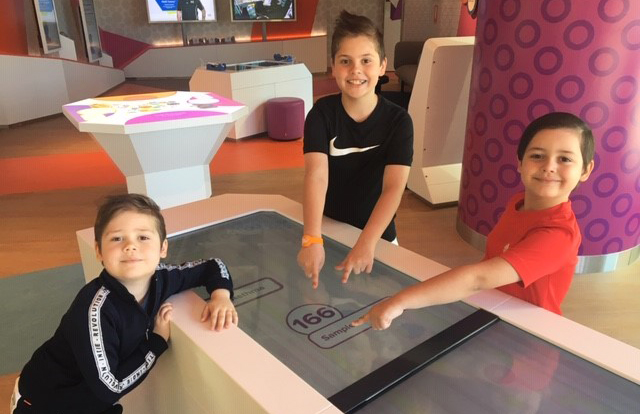
Discovery Centre lightens the load for hospital familiesThe opening of the Discovery Centre has made trips to Perth Children's Hospital much more enjoyable for mum Alianna Celisano and her three boys.
News & Events
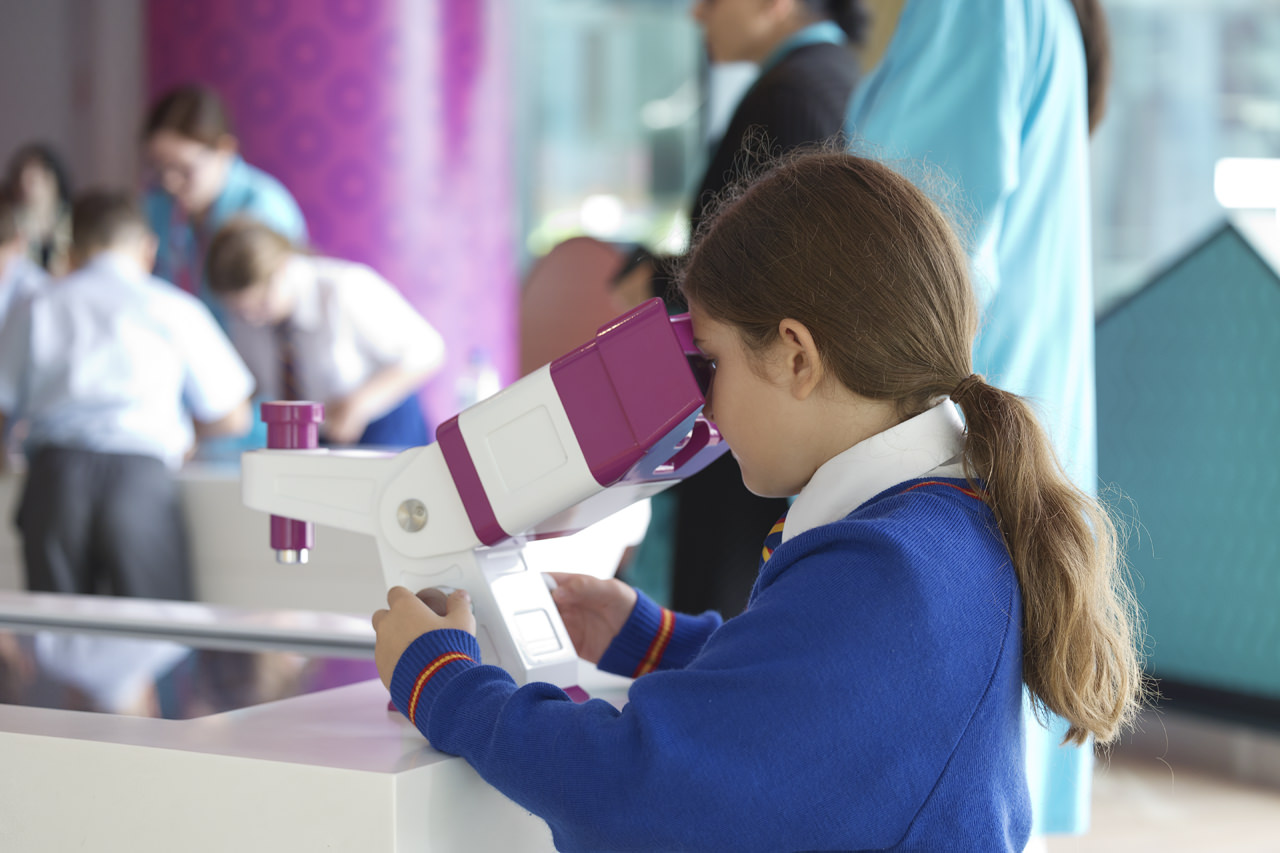
Free excursions to The KidsRegister your interest to participate in a FREE pilot excursion for our brand-new program, Microscopic World!
The Wal-yan Respiratory Research Centre is a global epicentre for paediatric respiratory research, informing clinical practice and driving a new research agenda for childhood lung health.

Portable equipment is available to enable bedside and community-led research in rural and remote communities, including Indigenous communities where children are disproportionately affected by chronic respiratory conditions.
The discoveries that have set our research apart primarily relate to the factors early in life that cause life-long respiratory problems.
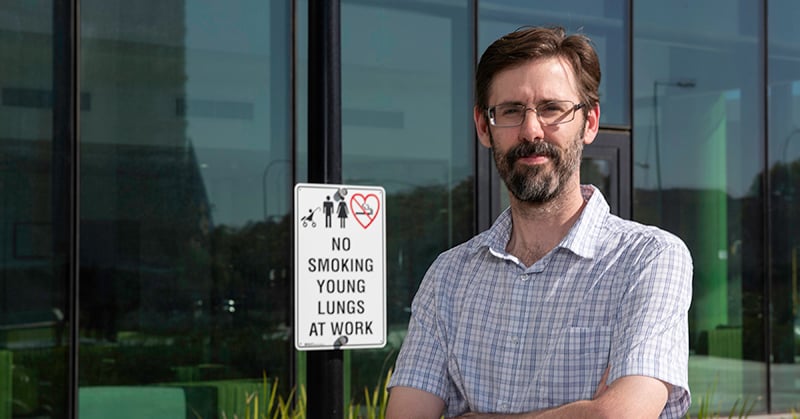
The lungs represent a key interface between the body and the environment.
News & events at Walyan Respiratory Research Centre.
News & Events
Wal-yan researchers to present at largest respiratory meeting in the worldA large contingent of researchers from the Wal-yan Respiratory Research Centre are heading to Spain in September to participate in the European Respiratory Society (ERS) International Congress – the largest respiratory meeting in the world.
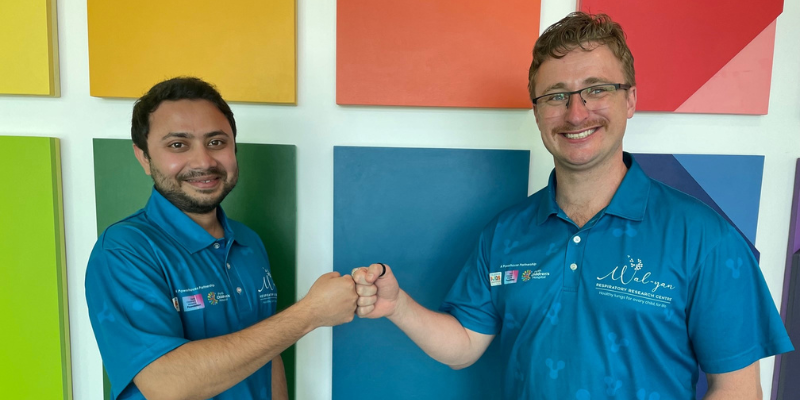
News & Events
Wal-yan Centre scholarship awardees to research interventions for improving lung healthAs part of the Wal-yan Respiratory Research Centre’s aim to support the next generation of scientists in children’s respiratory research, a competitive scholarship program was introduced this year.