
Search
Research
Vitamin D and atopy and asthma phenotypes in childrenThe purpose of this Review was to give an overview of the recent research into whether a lack of vitamin D contributes to the development of atopy and asthma...
Research
Sensitizing and Th2 Adjuvant Activity of Cysteine Protease AllergensHere, we report on a model that does not use Th2-skewing adjuvants and yet achieves sensitization solely via the nasal mucosa.
Research
Hypoallergenic der p 1/Der p 2 combination vaccines for immunotherapy of house dust mite allergyMore than 50% of allergic patients have house dust mite (HDM) allergy.

News & Events
NHMRC funding awarded to support child health researchThe Kids Research Institute Australia researchers have been awarded more than $10 million in research funding from the National Health and Medical Research Council (NHMRC).
News & Events
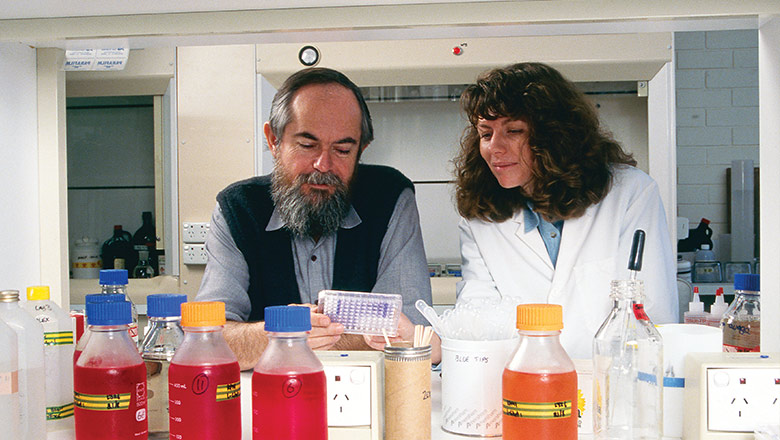
Switch on the immune system earlyFindings by Professor Pat Holt revealed researchers had been heading down the wrong path in their battle strategy against respiratory allergy and asthma.

News & Events
Overseas trip will help unlock the asthma puzzleOne in ten Australians have asthma and Dr Kimberley Wang from The Kids Research Institute Australia is on a mission to find out what causes it.
News & Events
Volunteers needed for world-first trial to prevent asthmaAustralian scientists have today launched a world first research trial into a treatment that could prevent asthma in high risk children.
Research
Stiffness Mediated-Mechanosensation of Airway Smooth Muscle Cells on Linear Stiffness Gradient HydrogelsIn obstructive airway diseases such as asthma and chronic obstructive pulmonary disease (COPD), the extracellular matrix (ECM) protein amount and composition of the airway smooth muscle (ASM) is often remodelled, likely altering tissue stiffness. The underlying mechanism of how human ASM cell (hASMC) mechanosenses the aberrant microenvironment is not well understood.
Research
Bullying and psychosocial adjustment among children with and without asthmaChildren with asthma face serious mental health risk, but the pathways remain unclear. This study aimed to examine bullying victimisation and perpetration in children with asthma and a comparison sample without a chronic health condition, and the role of bullying in moderating psychosocial adjustment outcomes for those with asthma. A sample of children with and without asthma, and their parents, were recruited from hospital clinics.
Research
Viral Induced Effects on a Vulnerable Epithelium; Lessons Learned From Paediatric Asthma and Eosinophilic OesophagitisThe epithelium is integral to the protection of many different biological systems and for the maintenance of biochemical homeostasis. Emerging evidence suggests that particular children have epithelial vulnerabilities leading to dysregulated barrier function and integrity, that resultantly contributes to disease pathogenesis.