
Search
Research
Characterising Insistence on Sameness and Circumscribed Interests: A Qualitative Study of Parent PerspectivesManifestations of insistence on sameness and circumscribed interests are complex, with individuals varying considerably, not only in the types of behaviours they express, but also in terms of a behaviour's frequency, intensity, trajectory, adaptive benefits, and impacts.
Research
Harmonizing the CBCL and SDQ ADHD scores by using linear equating, kernel equating, item response theory and machine learning methodsA problem that applied researchers and practitioners often face is the fact that different institutions within research consortia use different scales to evaluate the same construct which makes comparison of the results and pooling challenging.
Research
A pilot evaluation of school-based LEGO robotics therapy for autistic studentsThere is emerging evidence that LEGO® therapy is an effective way of supporting younger autistic children develop their communication and social skills. LEGO® robotics therapy - which uses the principles of LEGO® therapy applied to LEGO® robotics - may be an age-appropriate intervention to reduce anxiety and increase social skills in autistic adolescents.
Research
Developmental Mismatch Across Brain Modalities in Young ChildrenBrain development during the preschool period is complex and extensive and underlies ongoing behavioral and cognitive maturation. Increasing understanding of typical brain maturation during this time is critical to early identification of atypical development and could inform treatments and interventions.



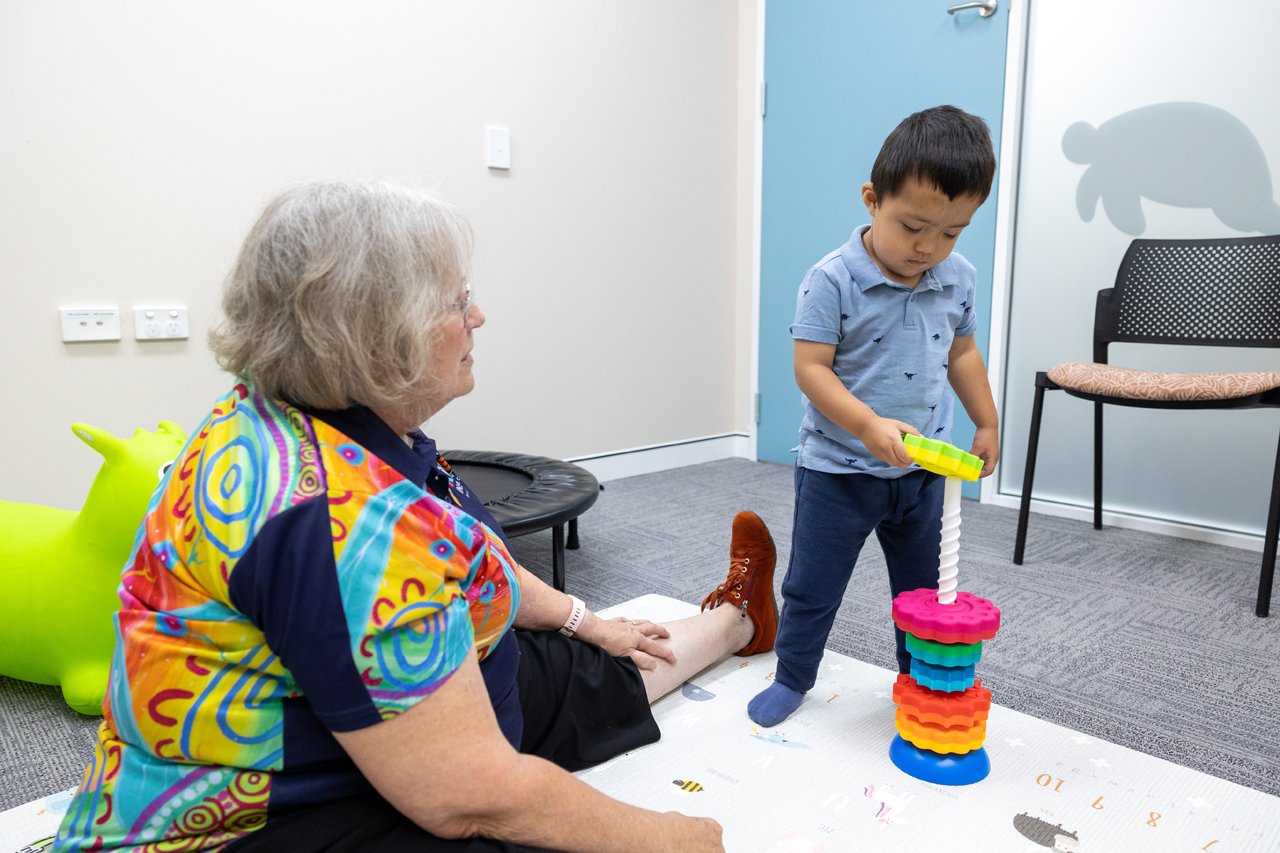
The CO-OP approach guides children to independently discover and develop cognitive strategies to perform the necessary tasks of everyday living.

Here you'll find a wealth of information and resources to help support your child.
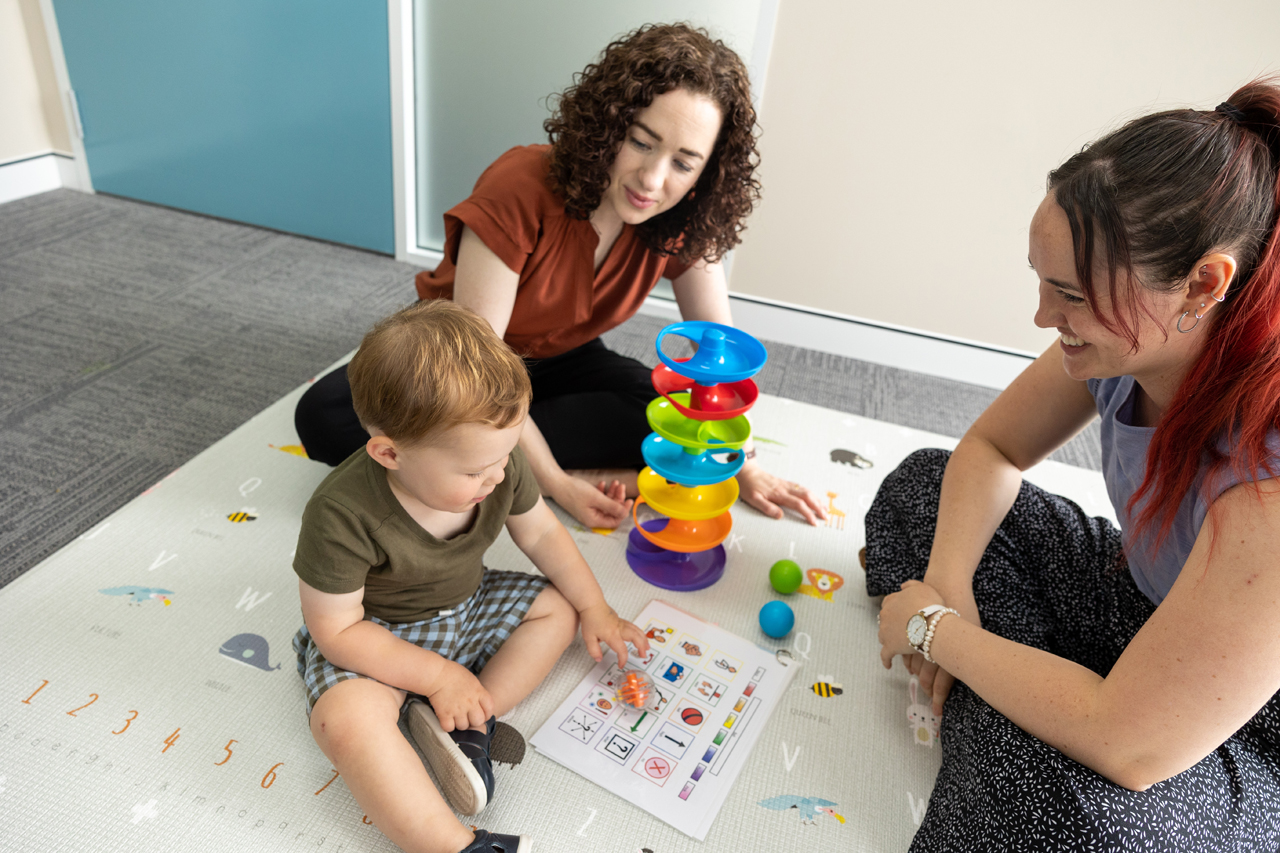
News & Events
Diagnosis and the ADOS: The essentials parents and clinicians need to knowIn this blog, you can read about one of the most common tools used in the autism diagnostic process – the Autism Diagnostic Observation Schedule.