
Search
Showing results for "early lung health"
Research
The development and refinement of a sensitive bedside test to continually measure the severity of BPD and lung development in preterm infantsGraham Jane Shannon Hall Pillow Simpson BAppSci PhD CRFS FANZSRS FThorSoc FERS BMedSci (Dist) MBBS, PhD (Dist) FRACP BMedSci (hons), PhD Honorary
Research
Expression of bronchodilator response using forced oscillation technique measurements: absolute versus relativeExpression of bronchodilator response using forced oscillation technique measurements: absolute versus relative
Research
Lung function trajectories throughout childhood in survivors of very preterm birth: a longitudinal cohort studyLung function trajectories are impaired in survivors of very preterm birth
Research
Identifying pediatric lung disease: A comparison of forced oscillation technique outcomesThese findings suggest the utility of specific FOT outcomes is dependent on the respiratory disease being assessed
Research
Acute diesel exhaust particle exposure increases viral titre and inflammation associated with existing influenzaExposure to diesel exhaust particles (DEP) is thought to exacerbate many pre-existing respiratory diseases.
News & Events
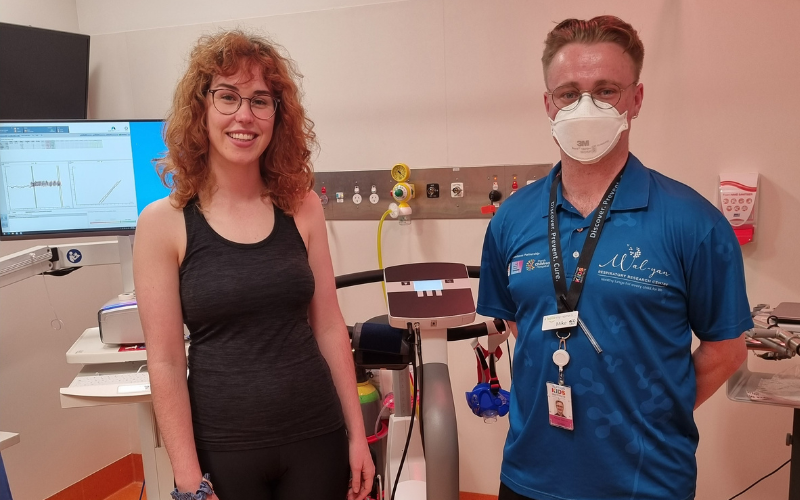
Thumbs up from first preterm study participant to use new lung function testing equipmentNatasha, who is a participant in the West Australian Lung Health in Prematurity (WALHIP) study, this week became the first person to receive a lung health assessment using new state-of-the-art lung function testing equipment at Perth Children’s Hospital.
Research
Mouse Lung Structure and Function after Long-Term Exposure to an Atmospheric Carbon Dioxide Level Predicted by Climate Change ModelingClimate change models predict that atmospheric carbon dioxide [CO2] levels will be between 700 and 900 ppm within the next 80yrs. In this study we aimed to assess the respiratory structure and function effects of long-term exposure to 890ppm CO2 from preconception to adulthood using a mouse model.
Research
Multiple-breath washout as a lung function test in cystic fibrosis: A cystic fibrosis foundation workshop reportRecent technological advances in equipment design have produced gains in popularity for this test among cystic fibrosis (CF) researchers and clinicians...
Research
Prevalence of chronic wet cough and protracted bacterial bronchitis in aboriginal childrenStrategies to address reasons for and treatment of chronic wet cough and protracted bacterial bronchitis in young Aboriginal children in remote north Western Australia are required