
Search
News & Events
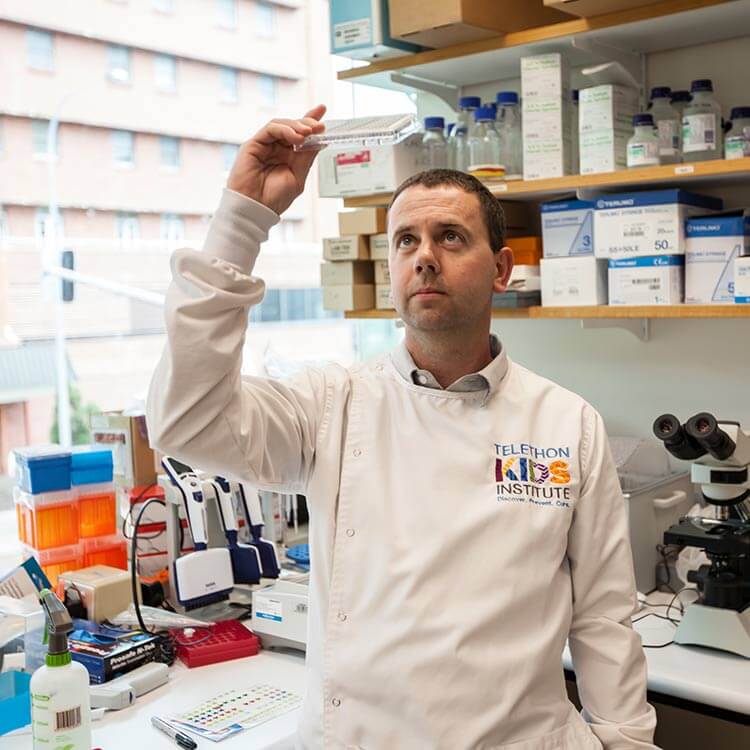
Funding boost to melanoma researchA The Kids Research Institute Australia researcher will investigate new ways to harness the body’s own immune system to fight melanoma, thanks to Cancer Council WA funding.
News & Events
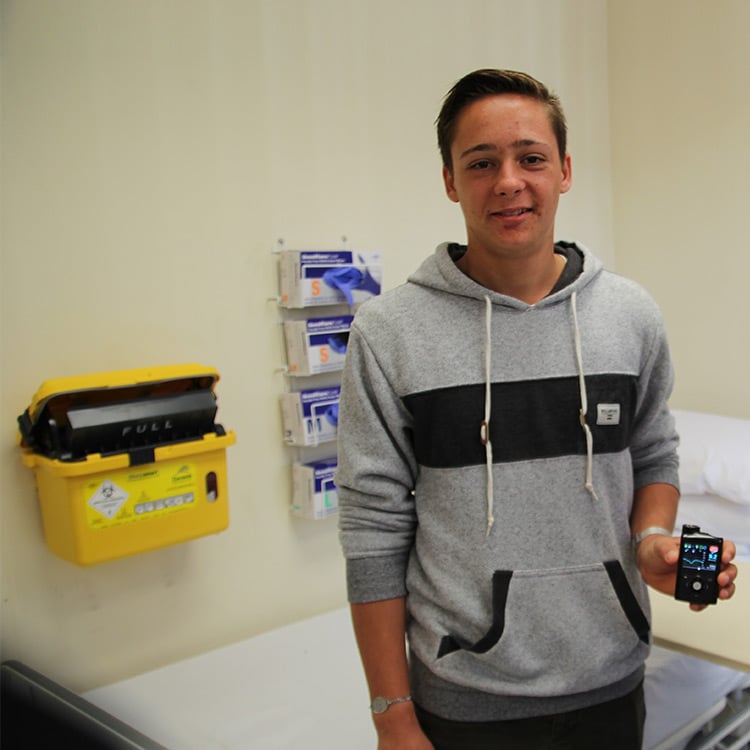
Local researchers lead biggest ‘artificial pancreas’ outpatient studyThe Children’s Diabetes Centre at The Kids Research Institute Australia is leading the longest and largest at-home trial of a hybrid closed-loop insulin pump system.
News & Events
Children with disabilities 3 times more likely to be maltreated but risk varies by disability typeA new study has found children with disabilities are 3 times more likely to be maltreated compared to other children but that risk varies by type of disability.
News & Events
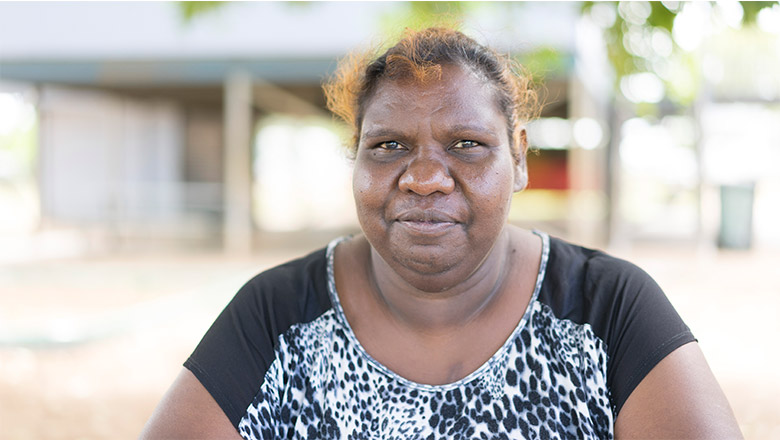
New grant to upskill local Aboriginal women as community health researchersAboriginal women in Western Australia's Kimberley region will be become qualified as community health researchers thanks to a grant awarded to The Kids.
News & Events
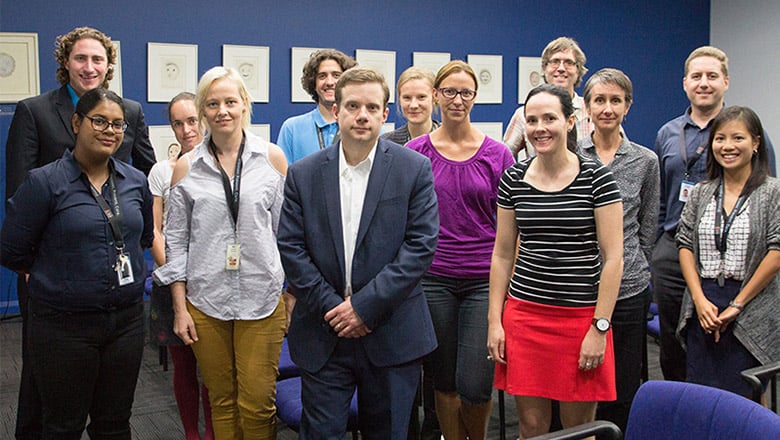
New collaborations to find better treatments for young people with depressionThe Kids Research Institute Australia welcomed Dr Paul Croarkin from the Mayo Clinic in the US to share his work on understanding and treating depression in young people.
News & Events
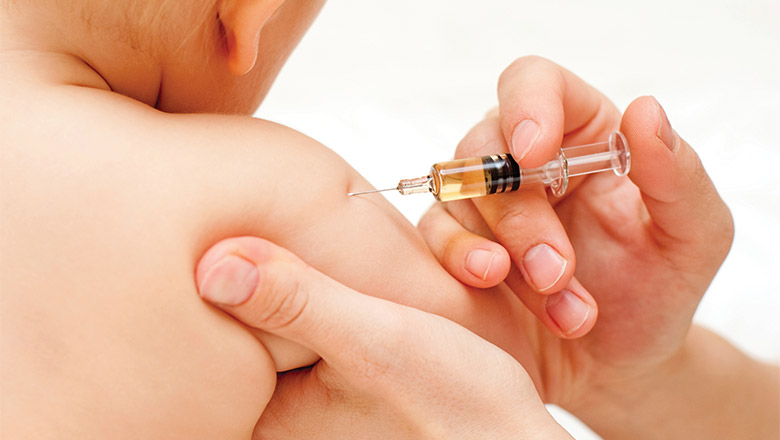
Extra whooping cough shot to protect your bubToddlers will now get an additional whooping cough vaccine to protect them against the potentially deadly disease.
News & Events
Taking on a common respiratory infection in kidsMapping when Respiratory Syncytal Virus (RSV) reaches its seasonal peak will assist how future vaccination programs are carried out.
News & Events
Young minds really do matterThe Young Minds Matter survey has shown mental health services should be overhauled to ensure they are tailor-made to meet the needs of a new generation.
News & Events
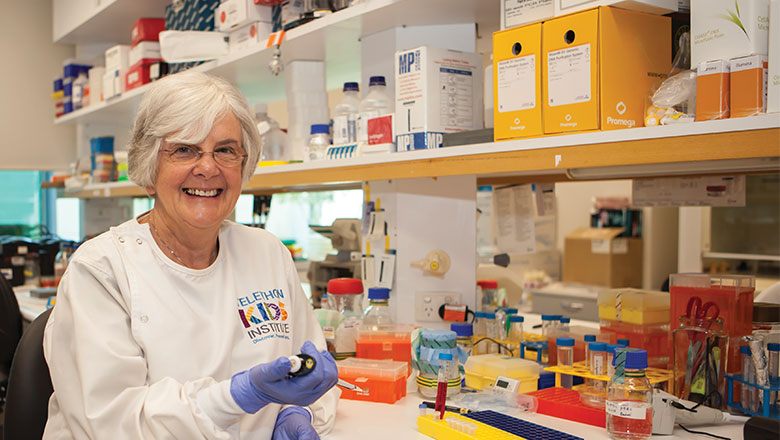
A new approach for research with Aboriginal communitiesWinning the support of a remote Aboriginal community paved the way for a pioneering genetics study.
News & Events
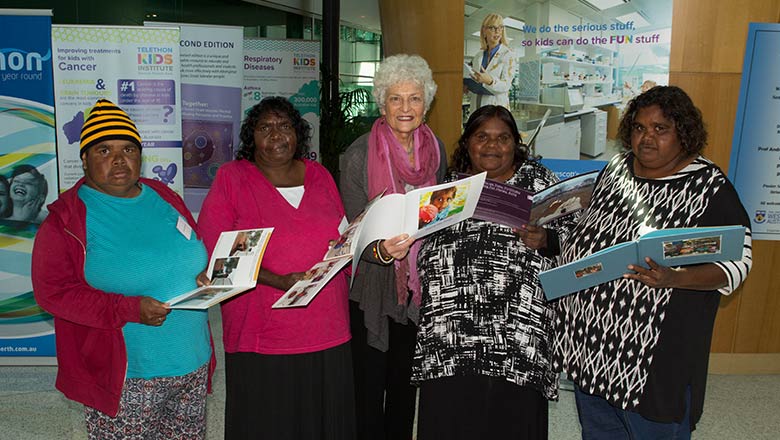
Boosting literacy in Aboriginal kidsAn NHMRC grant to develop a program to improve school outcomes in the Ngaanyatjarra lands has helped create books reflecting Aboriginal experiences.