
Search
Showing results for "mental health aboriginal"
News & Events
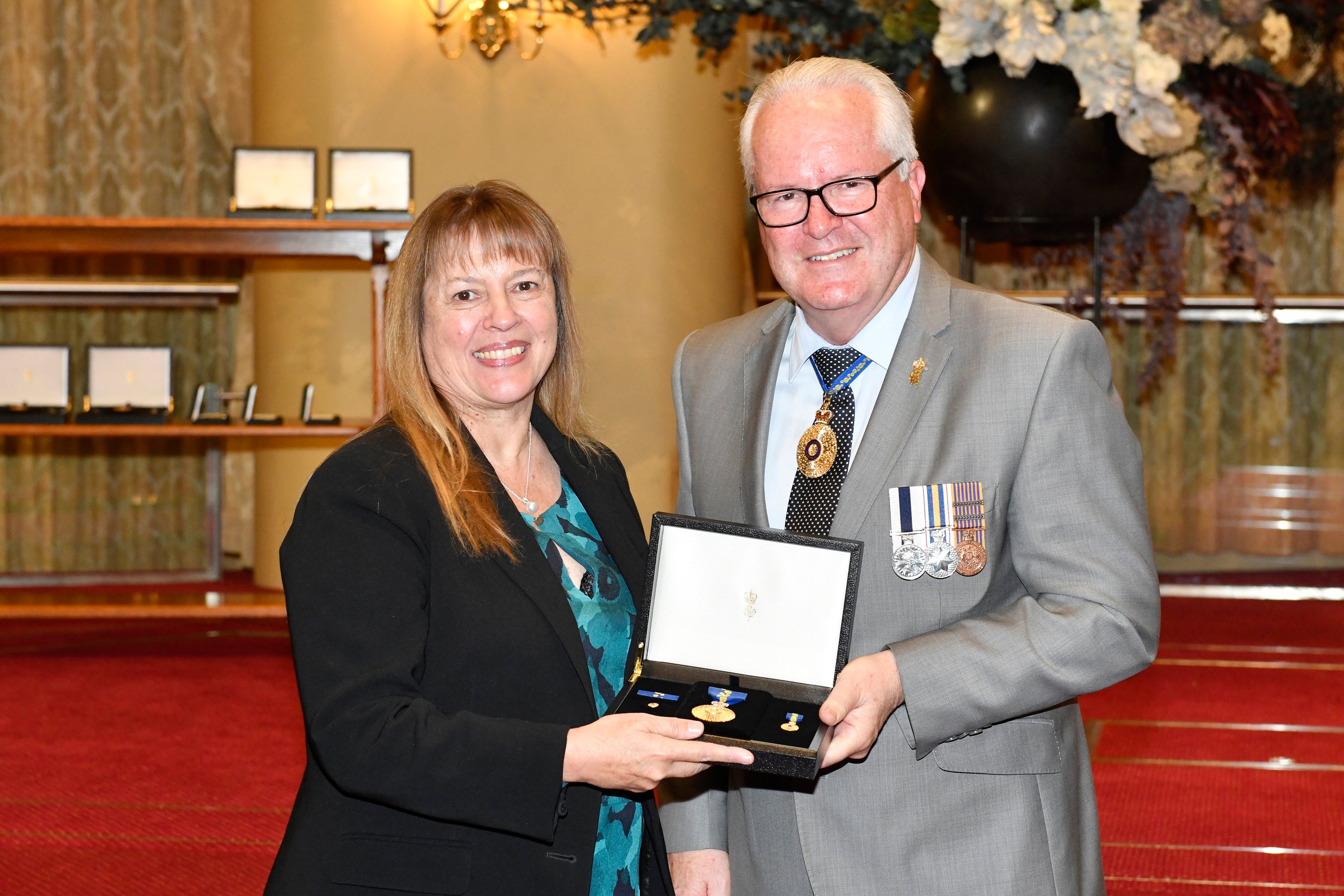
Prominent WA psychiatrist receives AM award at Government HouseProminent WA psychiatrist Professor Helen Milroy receives AM award at Government House

News & Events
Engaging youth at the Albany Pride 2025 Fair DayAssociate Professor Yael Perry and project coordinator Holly Moss reflect on their experiences attending the busy annual event.
News & Events
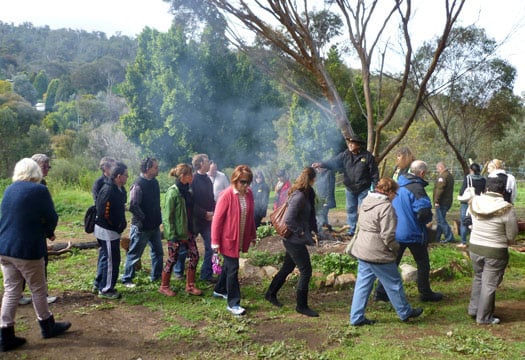
Elders insight leads to spine-tingling breakthroughDr Michael Wright remembers the 'aha' moment while working with distressed Nyoongar families to identify what was limiting engagement with services.
Research
Relationships between Psychosocial Resilience and Physical Health Status of Western Australian Urban Aboriginal YouthThe aim of this study was to investigate the extent to which factors previously documented as buffering the impact of high-risk family environments on...

News & Events
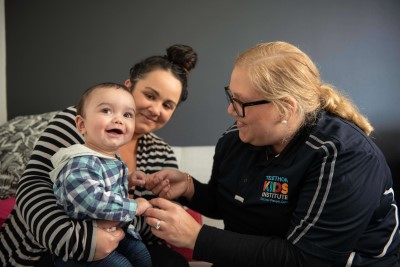
Perth’s Aboriginal babies show first signs of ear disease at just eight weeksThe Kids Research Institute Australia researchers have found close to 40 per cent of Aboriginal babies begin to develop middle ear infections between two and four months of age in a first of its kind study in metropolitan Perth.
Research
Effectiveness, Acceptability, and Feasibility of Digital Health Interventions for LGBTIQ+ Young People: Systematic ReviewYoung people (aged 12-25 years) with diverse sexuality, gender, or bodily characteristics, such as those who identify as lesbian, gay, bisexual, transgender, intersex, or queer (LGBTIQ+), are at substantially greater risk of a range of mental, physical, and sexual health difficulties compared with their peers. Digital health interventions have been identified as a potential way to reduce these health disparities.
News & Events
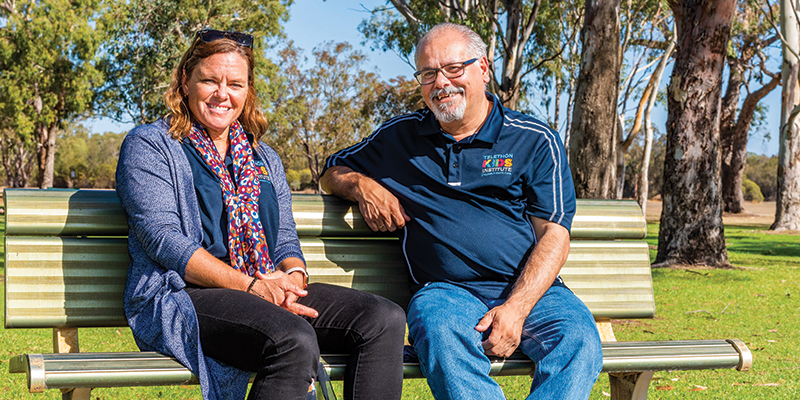
Giving wings to a generation of Indigenous leadersIn 2005, The Kids Research Institute Australia won a National Health & Medical Research Council Indigenous Capacity Building Grant.
Research
Cumulative incidence of child protection system contacts among a cohort of Western Australian Aboriginal children born 2000 to 2013Reducing the over-representation of Aboriginal children in the child protection system is a key target for the Australian government. We aimed to provide more recent evidence on the population-level cumulative incidence of contacts for Aboriginal children with child protective services in Western Australia.
Research
QMAP: Mapping journeys of digital and face-to-face mental health support in LGBTQA+ young people living in AustraliaThis project aims to visually map the journeys and experiences of LGBTQA+ young people in Australia with lived experience of accessing mental health support through formal healthcare, youth and community services, and informal networks of care.