Search
Showing results for "mental health aboriginal"
Research
Sibling Stories: Improving the mental health of siblings of trans youthSome studies indicate siblings of transgender (trans) and gender diverse young people often experience negative mental health impacts such as anxiety and depression due to complicated familial, individual and social factors associated with having a trans sibling.
News & Events
WA Researchers lead mental health survey of Australia's childrenResearchers from Perth's Telethon Institute for Child Health Research will lead a comprehensive national survey of the mental health of Australia's children.
Research
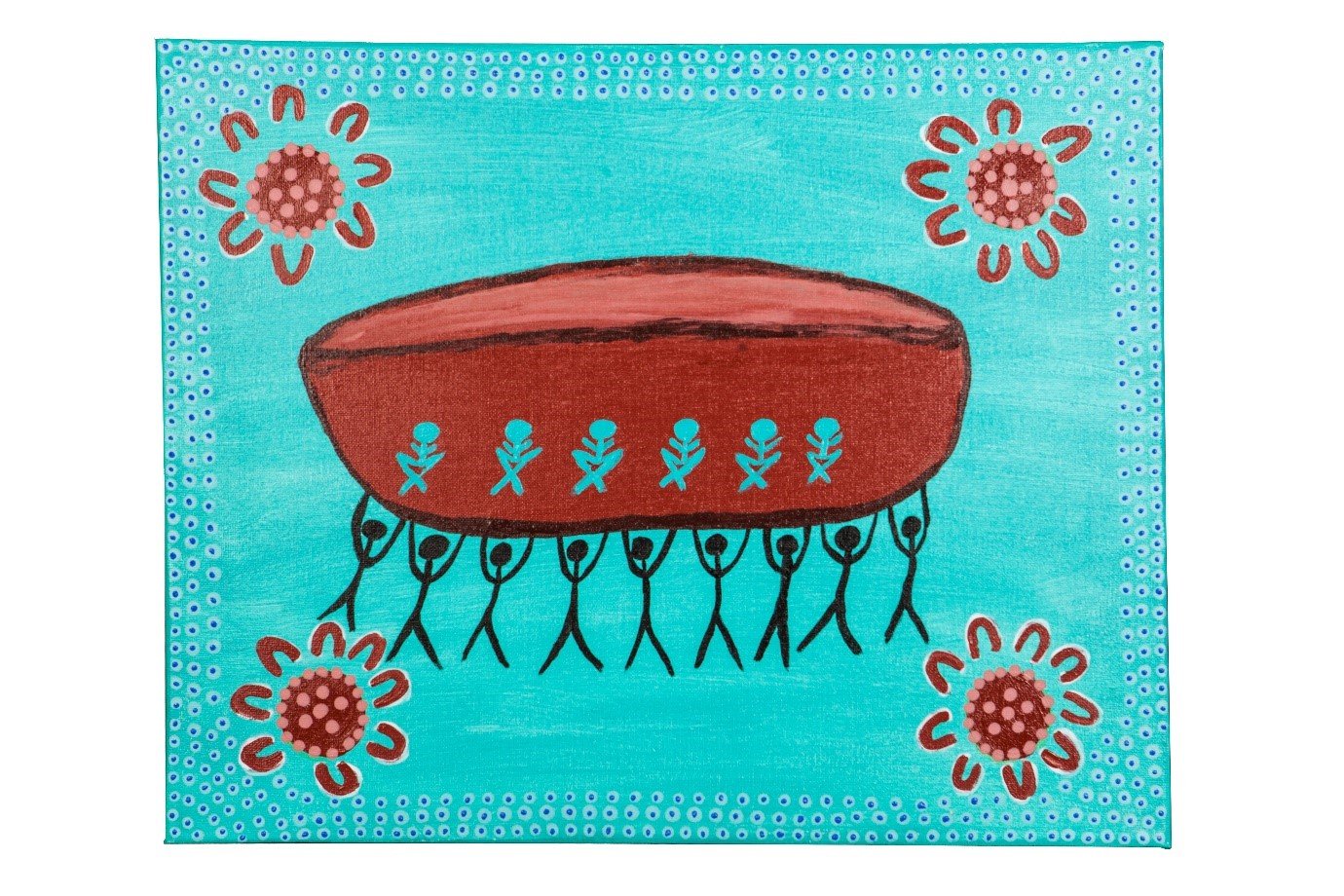
Ngulluk Koolunga Ngulluk Koort (Our Children, Our Heart) ProgramBrings the Aboriginal community(s) of Perth together with service providers & policy makers to improve outcomes for Aboriginal kids and their families.

Findings of a research study examining the characteristics of service use by a cohort of young people born between 1994-1997 who used four government services.
Research
Early mental health morbidity and later smoking at 17 years of ageWe examined the relationship between the onset and pattern of childhood mental health disorders and subsequent current smoking status at age 17 years.
Research
Early onset of otitis media is a strong predictor of subsequent disease in urban Aboriginal infants: Djaalinj Waakinj cohort studyAustralian Aboriginal and/or Torres Strait Islander children in rural/remote areas suffer high rates of persistent otitis media (OM) from early infancy. We aimed to determine the proportion of Aboriginal infants living in an urban area who have OM and investigate associated risk factors.

News & Events
Senior researcher joins Embrace childhood trauma research groupResearch Fellow Karen Lombardi recently joined Embrace @ The Kids Research Institute Australia
News & Events
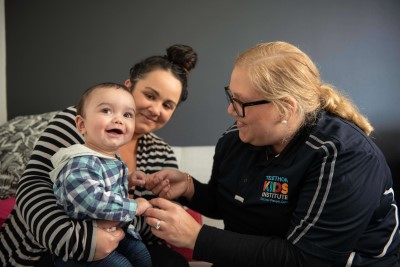
Perth’s Aboriginal babies show first signs of ear disease at just eight weeksThe Kids Research Institute Australia researchers have found close to 40 per cent of Aboriginal babies begin to develop middle ear infections between two and four months of age in a first of its kind study in metropolitan Perth.

News & Events
Engaging youth at the Albany Pride 2025 Fair DayAssociate Professor Yael Perry and project coordinator Holly Moss reflect on their experiences attending the busy annual event.
Research
The parent empowerment scale: development and psychometric propertiesParents of trans and gender diverse (herein ‘trans’) children experience additional challenges in their parenting role relative to parents of cisgender children. Understanding and enhancing parents’ empowerment is a promising approach to support both parents and children. We aimed to develop an empowerment scale specific to parents of trans children, grounded in parents’ lived experiences.