Search
We wanted to compare the frequency of fracture episodes, and factors associated with a fracture, in females with Rett syndrome, compared to general population.
Our study investigated the impacts of spinal fusion on survival and the risk of developing respiratory infections in females with Rett syndrome.
We wanted to examine the effects of spinal fusion surgery to treat scoliosis on the functional abilities of girls and women with Rett syndrome.
The development of research partnerships is a priority for InterRett, with centres or clinicians with access to large numbers of patients with Rett syndrome.
Rett Syndrome Association of Australia and ANZACRett are two family-oriented organisations.
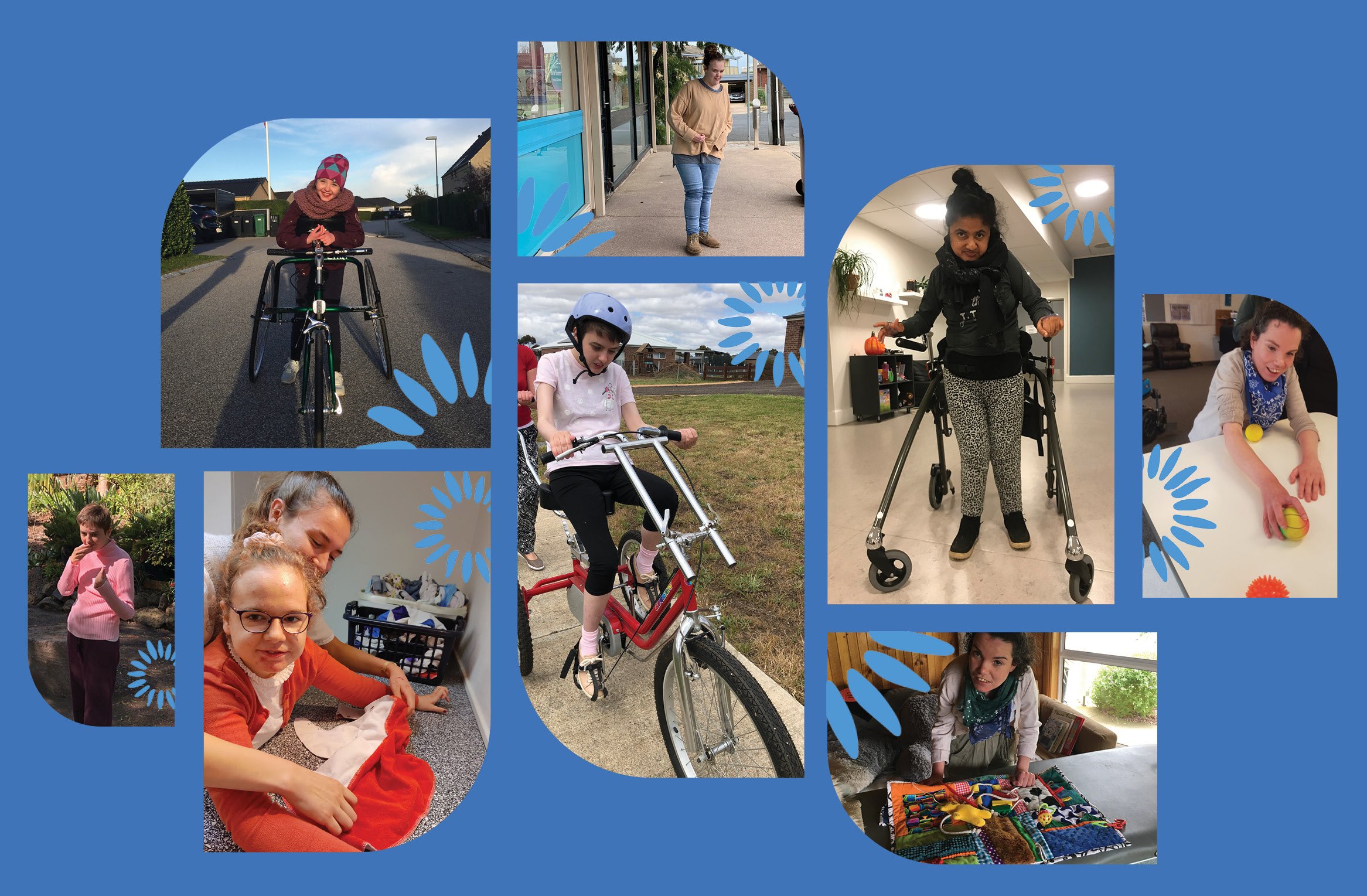
Considering one’s own capacity, activity should be included into everyone’s daily routine to make sure these recommended levels of activity are being as closely met as possible, for everyone to secure the most benefits.
Learn about a practical toolkit of strategies to maximize uptime for children with Rett Syndrome, promoting engagement and facilitating meaningful activities.
News & Events
The InterRett database: Looking back and looking forward. What we have done and can do with your involvement!Click the photo below to download Dr Helen Leonard's online webinar hosted by Rettsyndrome.org.
News & Events
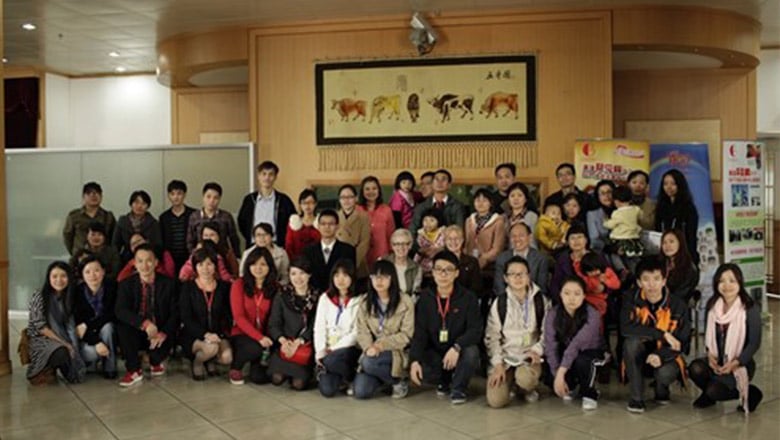
Meeting with families in ChinaProf Helen Leonard and Dr Jenny Downs recently visited Shenzhen, China to meet Chinese families and child neurologists from the Shenzhen Children's Hospital.
Young people aged 11 years and older provided information on their mental health, and on behaviours that could put them at risk physically and mentally.