Search
News & Events
Port Hedland welcomes health experts from around AustraliaPort Hedland is hosting some of Australia’s most respected health researchers this week as they join forces with local health professionals to improve the health of people living in the tropical north of the country.
News & Events
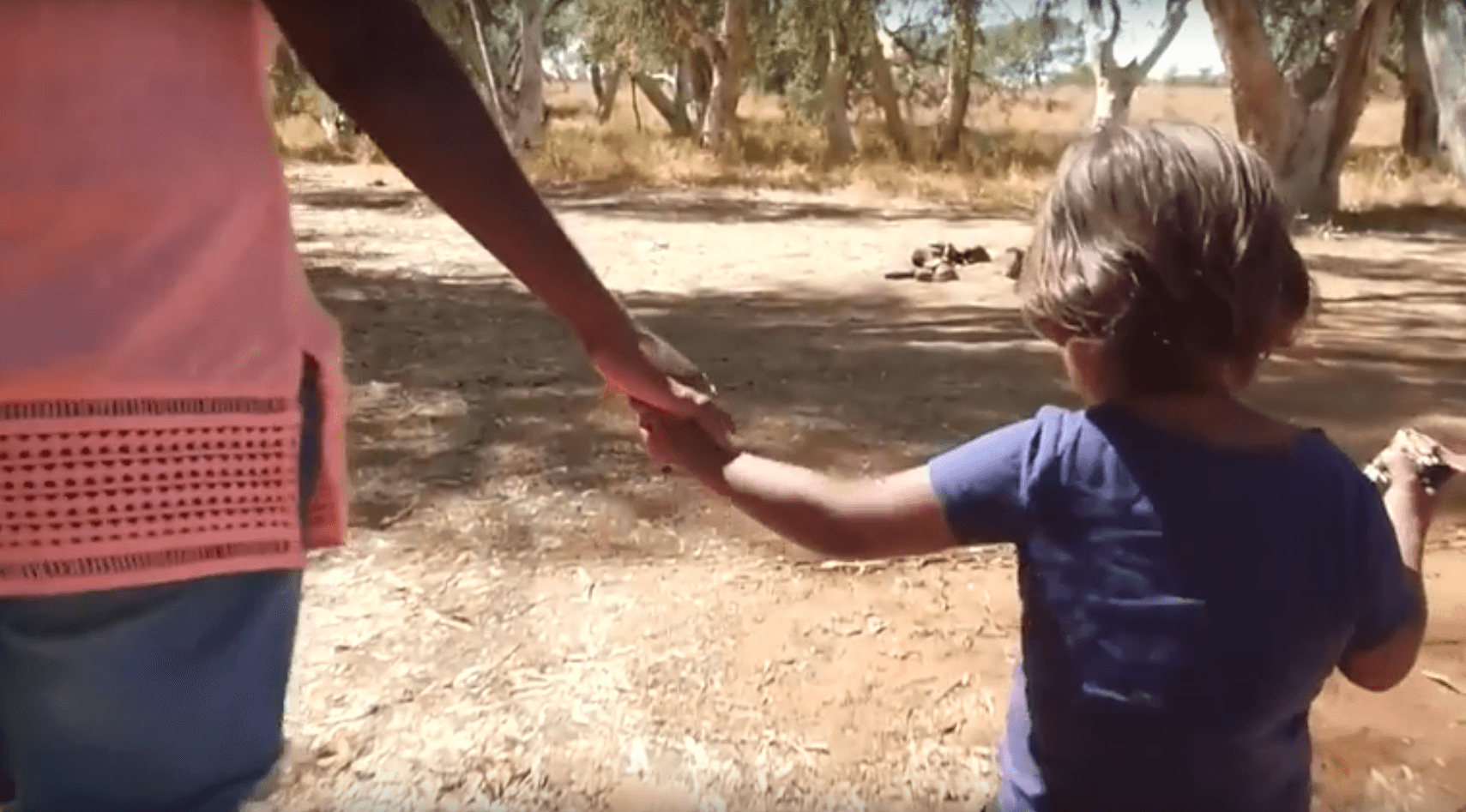
Co-ordinated approach urgently required to slow progression of antibiotic resistanceAboriginal mum and child
News & Events
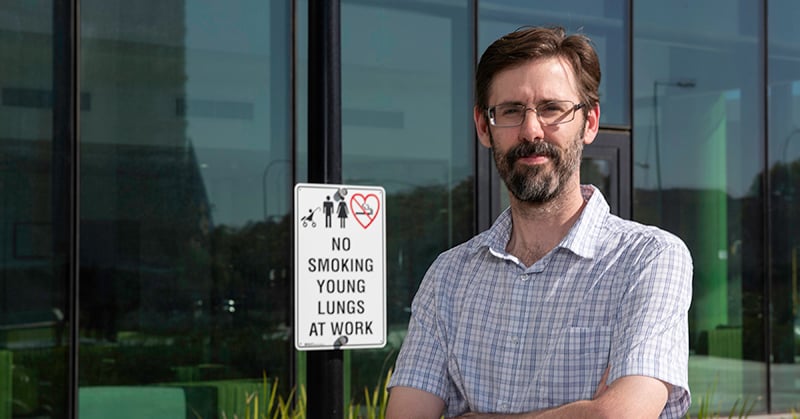
Pregnant women urged to avoid e-cigarettesWomen who are pregnant or who think they could be have been urged to avoid using e-cigarettes, due to lack of evidence about their safety.
News & Events
Outstanding mentor named Eureka prize finalistLeading infectious diseases researcher, Clinical Associate Professor Deborah Lehmann AO, has been named a finalist for the Australian Museum Eureka Prizes for her work training and mentoring a new generation of researchers.
News & Events
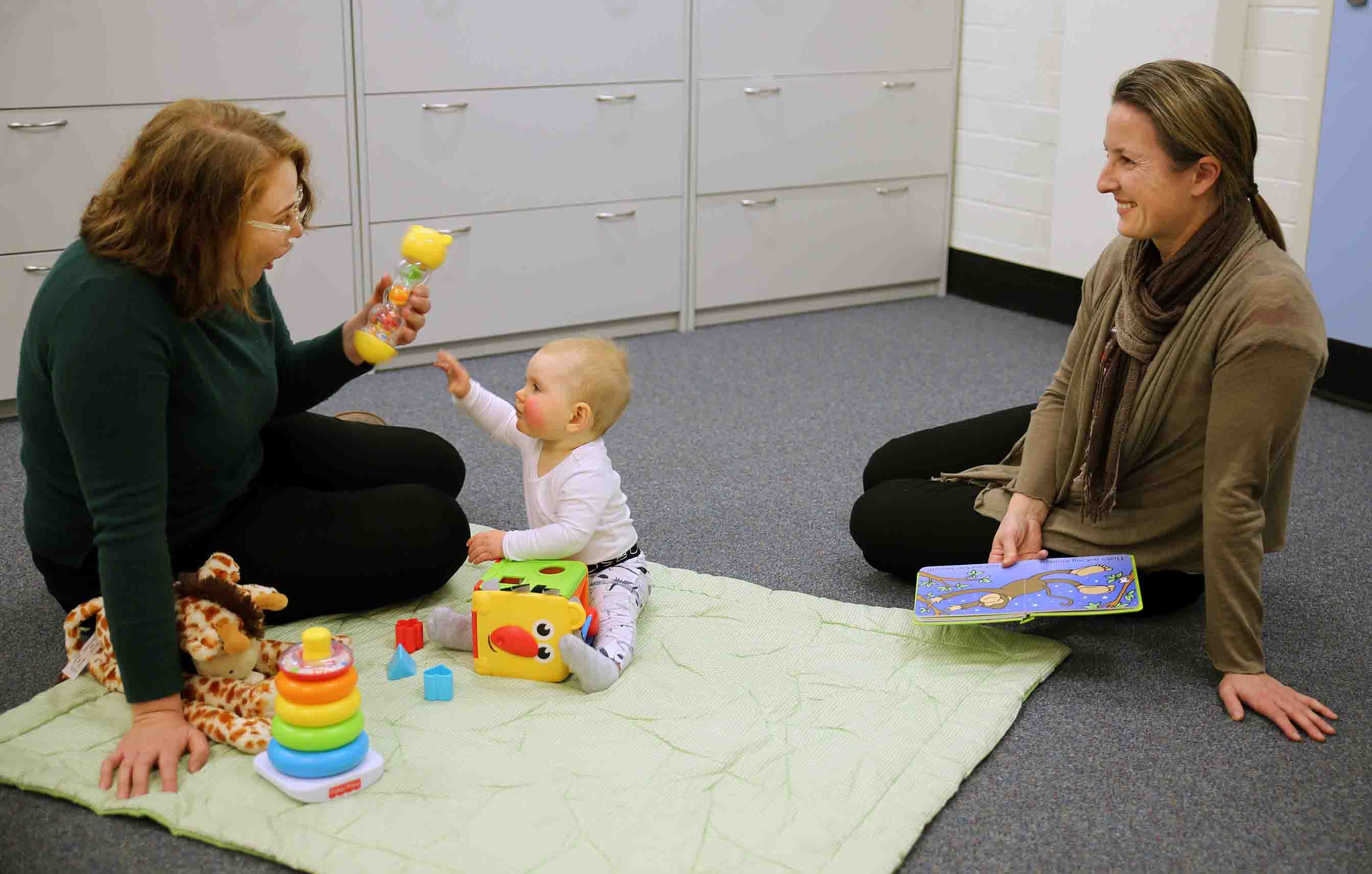
Video intervention offers promising language boost for kids showing early signs of autismThe first rigorous trial of a pre-emptive behavioural intervention for babies showing early signs of autism has found the therapy can improve early language development.
News & Events
State-first program to accelerate digital health in WAA consortium of partners across the WA medical research sector will develop and deliver the State’s first digital health-specific program.
News & Events
“Correlation doesn’t equal causation”: Autism and caesarean sectionsA new study that combines data from over 20 million births has found that a caesarean section delivery is associated with autism spectrum disorder (autism) and attention-deficit hyperactivity disorder (ADHD).
News & Events
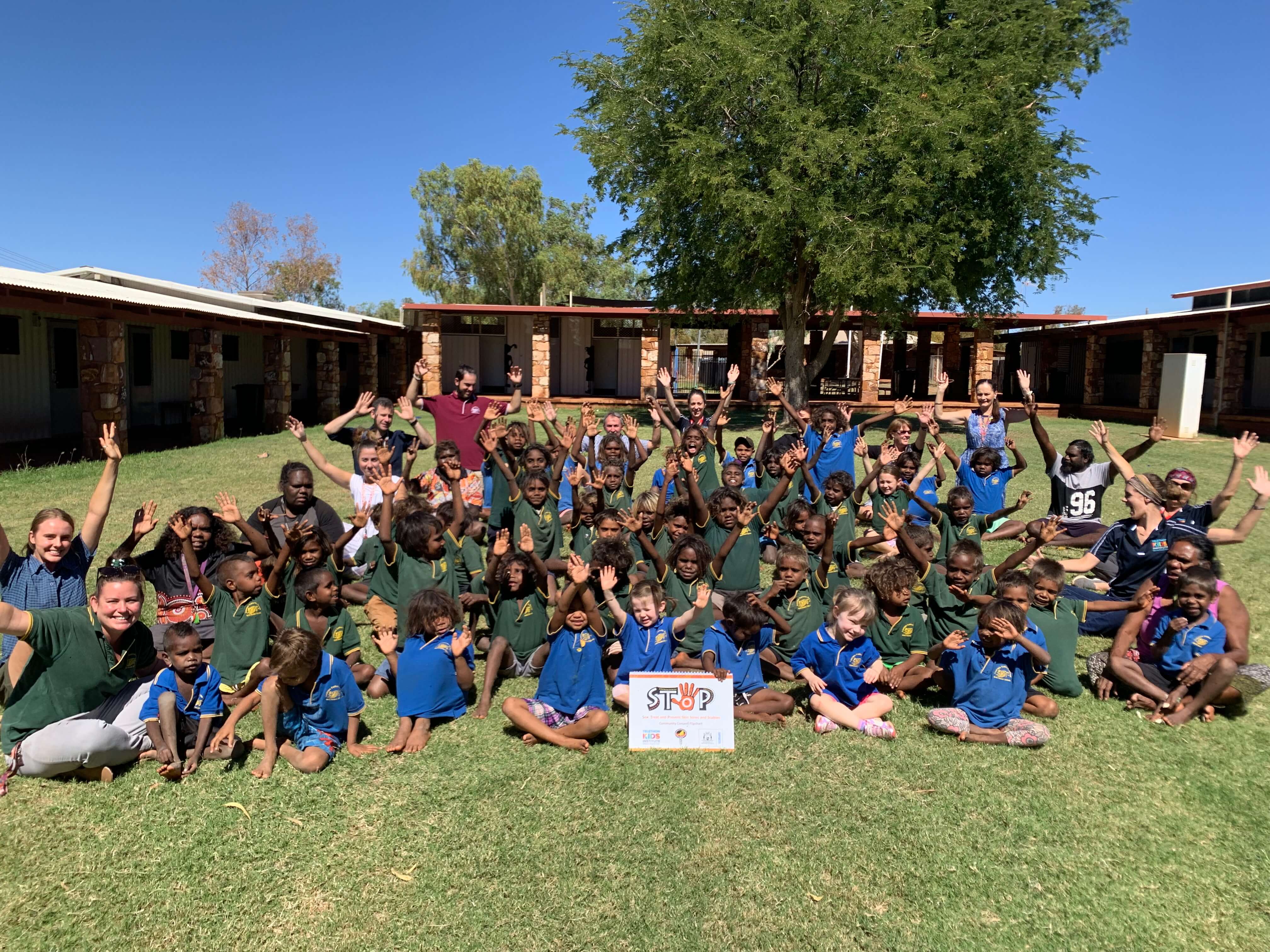
Major grant empowers community voices to drive reduction in skin infectionsAboriginal community members throughout the Kimberley will take a lead role in driving healthy skin messages within their own communities thanks to a major funding boost to The Kids Research Institute Australia’s SToP Trial.
News & Events
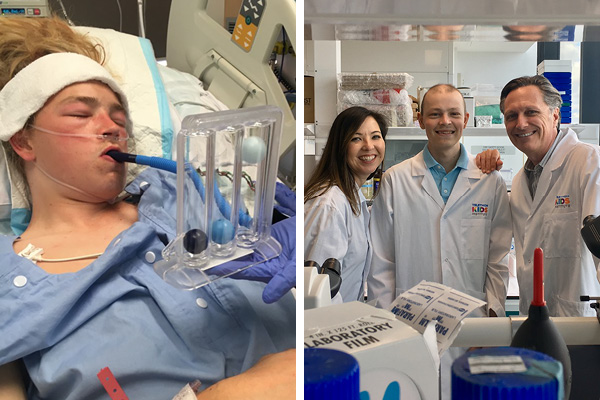
Meet Baxter HutchinsonBaxter Hutchinson was diagnosed with two life-threatening brain tumours a year ago, aged 17. Since then he has undergone surgery, radiotherapy and chemotherapy in his journey to beat the cancer.
News & Events
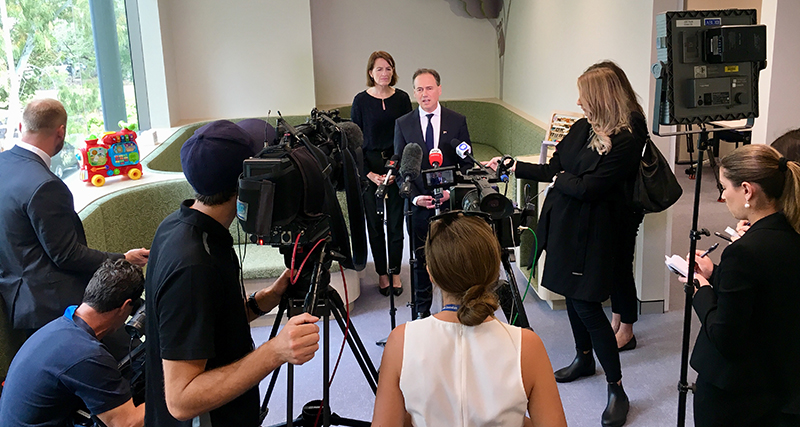
One-of-a-kind autism service offers new hope to familiesWestern Australian babies and children with autism and developmental delay will be able to access world-first therapies and interventions backed by the latest research, thanks a unique clinical service developed by The Kids Research Institute Australia.