Search

Learn more about the research and programs produced as part of the Banksia Hill Project, plus related research projects at Telethon Kids Institute.

News & Events
New centre to focus on breaking the cycle of disadvantageThe ARC Centre of Excellence will conduct world-leading research to investigate new ways of tackling entrenched social and economic disadvantage.
News & Events
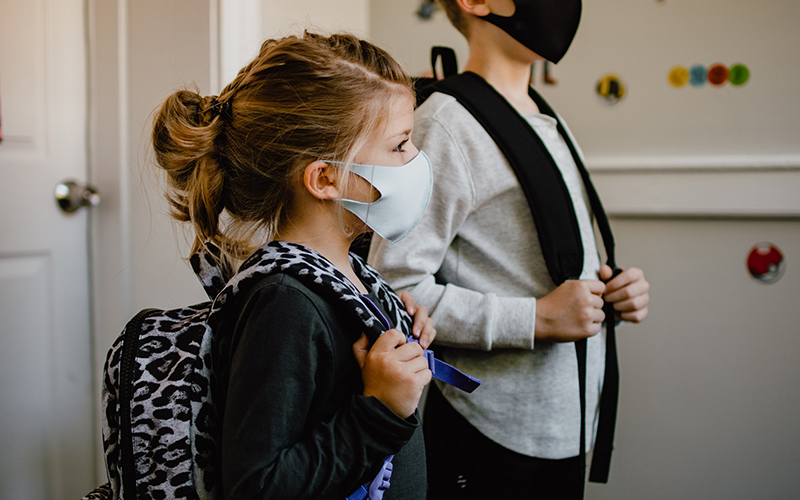
COVID-19 in WA: Why having our kids wear masks at school is the correct callWest Australian children as young as Year 3 are now turning up to school in masks, presenting a new challenge for kids, parents and schools.
News & Events
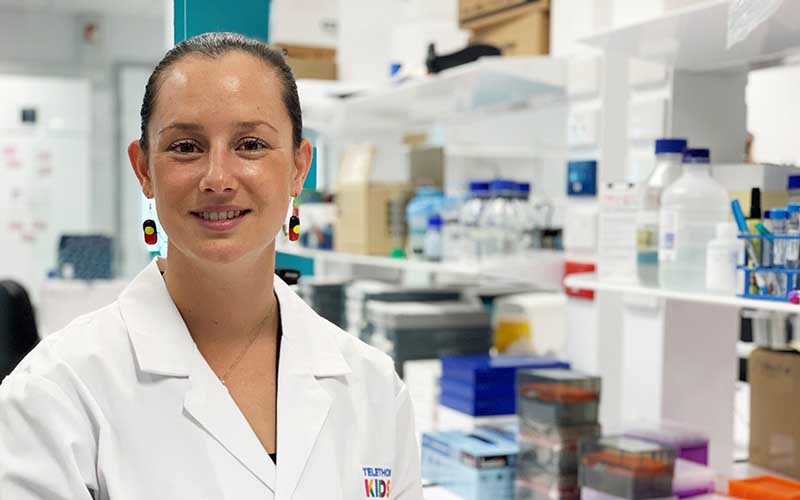
The Kids Research Institute Australia Cancer Researcher recognised in 2021 Business Events Perth Aspire AwardsOne of The Kids Research Institute Australia’s leading young researchers will travel to the world’s premier conference on childhood brain cancer.
News & Events
The Kids Research Institute Australia welcomes reunion of Murugappan family in PerthThe Kids Research Institute Australia has welcomed the announcement that the Murugappan family will be moved into community detention in Perth.

News & Events
Education “word gap” emerges at 18 months of age in Australian familiesUniversity-educated parents in Australia speak more words to their children on average than parents with only a high-school education, with the gap emerging at around 18 months of age.

News & Events
Families flock outdoors to find COVID silver liningA The Kids Research Institute Australia study which looked at how Western Australian families coped with COVID-19 restrictions has shown many parents managed to find the silver lining in WA’s lockdown last year.

News & Events
Population data could be key to controlling a future COVID outbreak in WAPerth researchers will use population data to help boost WA’s defences in the fight against COVID-19, developing modelling to build a clearer picture of how the virus could spread through high-risk populations.
News & Events
Back to school: How to pack a healthy lunchbox to keep your child fuelled up for learning and playPlenty of parents will tell you the daily lunchbox dilemma is one thing they did not miss during the summer holidays.
News & Events
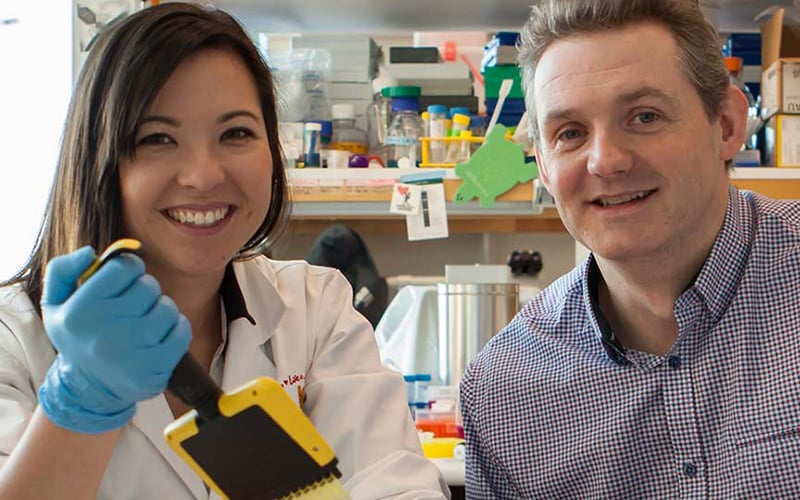
Landmark research hopes to increase survival rates for aggressive childhood cancerA new combination of drugs could help to increase survival rates with fewer side effects for some children with one of the most aggressive forms of childhood brain cancer.