
Search
Research
Optimise+Optimise+ is a research project designed to build on the best parts of LGBTQ+ community-controlled mental health and AOD services across Australia, with the aim of further enhancing service options.
Research
safeTALK training for young people experiencing homelessness: a community-based trialPenelope Yael Jacinta Strauss Perry Freeman BA, MPH, PhD BPsych (Hons) MPsych (Clin) PhD BScs, MPH Research Fellow in Youth Suicide Prevention Head,
Research
SPARX-T: An online game to prevent depression in trans young peopleYael Penelope Helen Holly Perry Strauss Morgan Moss BPsych (Hons) MPsych (Clin) PhD BA, MPH, PhD BA (Hons), Doctor of Psychology BEd Head, Youth
Are you 14-18 years old and attracted to people the same gender as you? We want you to help us understand how you feel other people see and treat you, and how this affects your mental health.

News & Events
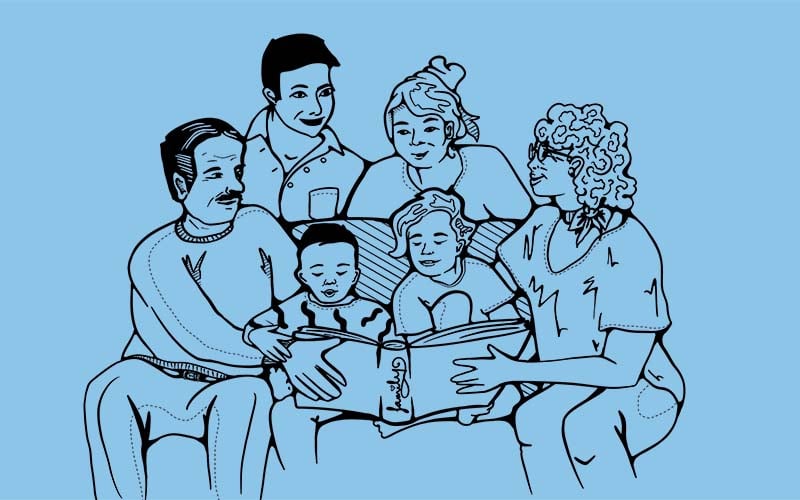
New website provides tools and resources for parents of gender diverse children and young peopleTransforming Families is providing evidence-based resources to help support the mental wellbeing of young people questioning their gender identity, or who identify as trans or gender diverse.
News & Events
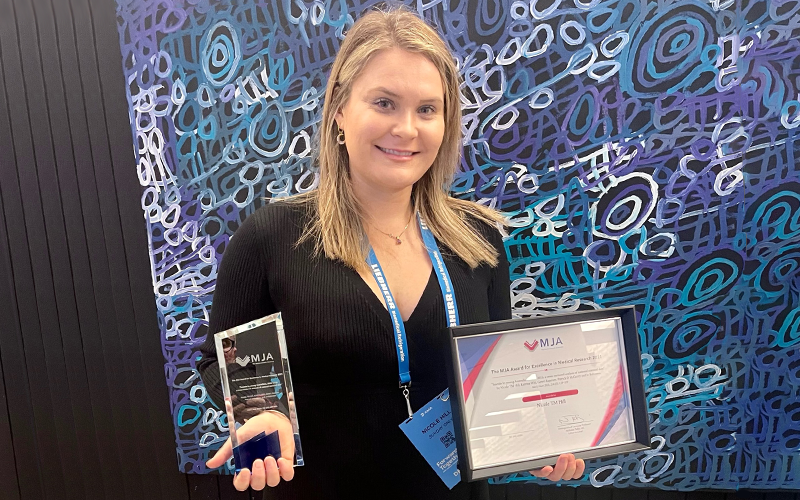
Mental health researcher recognised in prestigious publication awardDr Nicole Hill and a team of co-researchers from Orygen have received the 2021 Medical Journal of Australia (MJA) award for Excellence in Medical Research.

News & Events
What’s the difference between anxiety and depression?While depression and anxiety can have similar signs and symptoms, they also have some distinct features.
Research
Individualized prediction of transition to psychosis in 1,676 individuals at clinical high risk: Development and validation of a multivariable prediction modelThe aim of the study was to develop and validate an individualized, clinically based prognostic model for forecasting transition to psychosis from a CHR-P stage
Research
Intellectual disability and psychotic disorders in children: Association with maternal severe mental illness and exposure to obstetric complicationsMaternal severe mental illness and exposure to obstetric complications contribute separately to the risk of intellectual disability