
Search
Research
Improving Vaccine-Induced Immunity: Can Baseline Predict Outcome?Baseline signatures might contribute to identifying interventional targets to be modulated prior to vaccination in order to improve vaccination responses
Research
Whole blood transcriptional responses of very preterm infants during late-onset sepsisBlood responses in very preterm infants with LOS are characterised by altered host immune responses that appear to reflect unbalanced immuno-metabolic homeostasis
Research
Airway Epithelial Cell Immunity Is Delayed During Rhinovirus Infection in Asthma and COPDWe propose that propensity for viral exacerbations of asthma and COPD relate to delayed expression of epithelial cell innate anti-viral immune genes
Research
Global consensus on nutritional rickets: Implications for AustraliaWe conclude that updated global recommendations for therapy of nutritional rickets complement previously published position statements for Australia and New Zealand
Research
Measuring early childhood development with The Early Human Capability Index (eHCI): a reliability and validity study in ChinaWith the importance of early childhood development more recognized by the international society, low-cost and cross-culturally comparable measures of early childhood development is in great demand, both in China and worldwide. In this study, we aim to test the psychometrics of the Chinese version of The Early Human Capability Index (eHCI), which is designed as a measurement for school readiness in large population.

The Airway Epithelial Research Team is investigating the role of the epithelium in the development of airway diseases including asthma, cystic fibrosis and lung transplant rejection.
Research
Does commencement of a gluten- free diet improve blood glucose control in children and young people with Type 1 Diabetes and Coeliac Disease?If the gut becomes damaged it may not be able to process the foods that we eat as well as it used to. This may also affect how we look after diabetes.
Research
Aussi-AdDITInvestigating changes in retinopathy, aortic intima media thickness & heart rate variability, indicators of macrovascular disease & autonomic neuropathy
Research
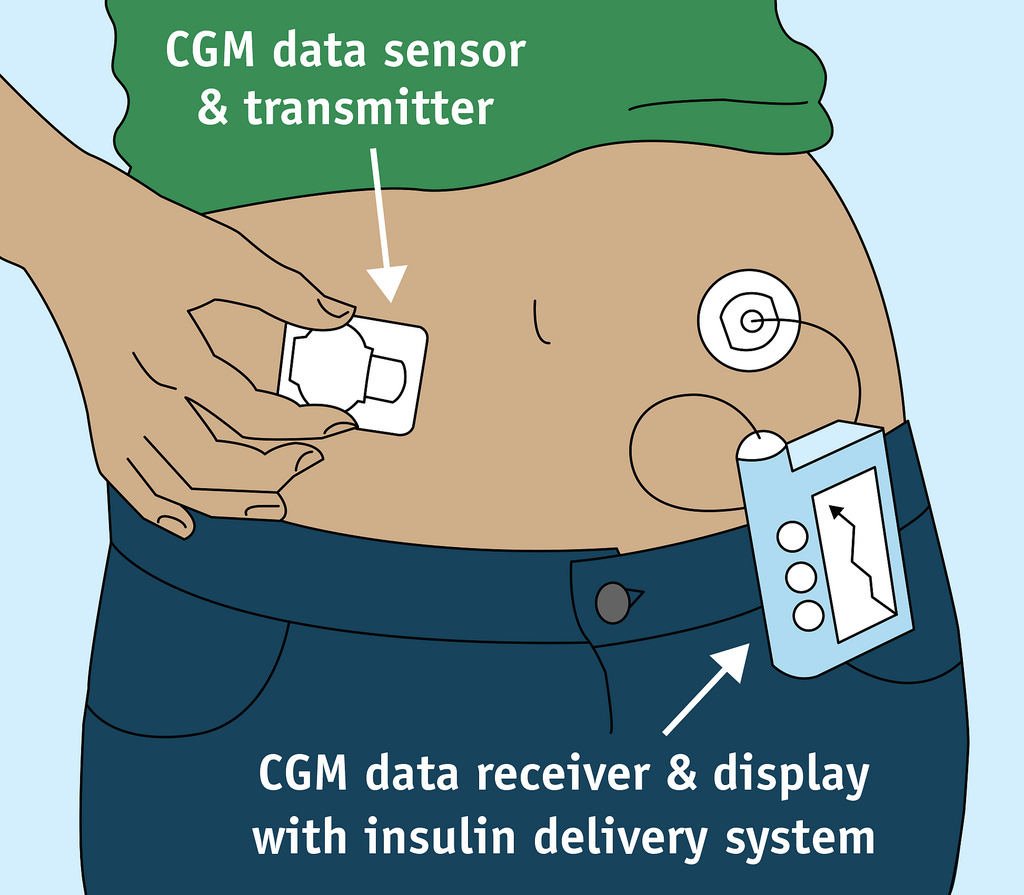
Closed Loop Study – Day and Night Feasibility StudyA Closed-Loop System will potentially have a major impact upon acute and chronic complications of diabetes as well as upon their quality of life.
Research
Effect of blood glucose levels on the amount of glucose needed to maintain stable blood glucose levels during and after moderate intensity exercise in young people with type 1 diabetesDetermining if hyperglycaemia prior to and during exercise affects the amount of carbohydrate required to maintain stable glucose levels during/after exercise