Search
Research
Bright Tomorrows Start Today (Parent App)The Bright Tomorrows app developed at The Kids Research Institute Australia aims to assist parents of children aged 0-5 years to support their child to develop the building blocks of several essential life skills.
Research
Centre of Linked Data Analytics and Social Policy (CLASP)The Kids Research Institute Australia was awarded funding to establish a whole-of-state Centre of Linked Data Analytics and Social Policy.
Research
Characterising the development of molecular and hormonal circadian rhythm development in preterm infantsJane Pillow BMedSci (Dist) MBBS, PhD (Dist) FRACP Head, Developmental Chronobiology jane.pillow@thekids.org.au Head, Developmental Chronobiology
Research
Chemosensitisation of medulloblastoma and pineoblastomaRaelene Nick Endersby Gottardo BSc (Hons) PhD MBChB FRACP PhD Brainchild Fellow; Co-Head, Brain Tumour Research Head of Paediatric and Adolescent
Research
Child Development Services: What Matters To You?Listening to children and families about what is important to them when visiting Child Development Services (CDS) can provide valuable insights.
Research
Childhood pneumonia in the Eastern Highlands Province of Papua New Guinea: clinical, microbiological and immunological predictors of diseaseChristopher Deborah Hannah Lea-Ann Peter Blyth Lehmann Moore Kirkham Richmond MBBS (Hons) DCH FRACP FRCPA PhD AO, MBBS, MSc OAM BSc (Hons)
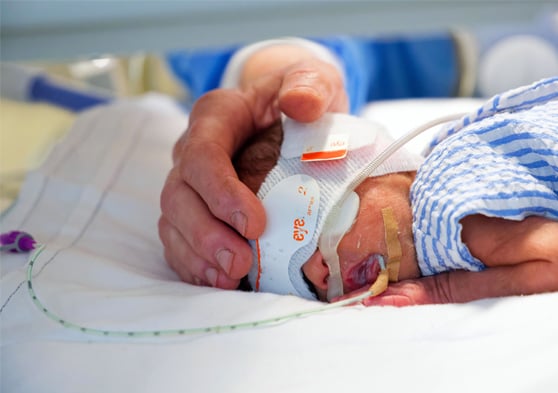
The CIRCA DIEM Study is a clinical research study being coordinated by the Chronobiology Team at Telethon Kids Institute, who are based in Perth, Western Australia and involving research teams from around the world.
Research
Combatting the Normalisation of Sports Gambling and Aggressive Marketing Tactics that Compromise the Mental Health and Wellbeing of Australian YouthSports gambling has become increasingly normalised among young people, with the proliferation of sponsorship deals and a 300% rise in the number of gambling advertisements in the past 7 years.

Research
CONNECT-CP (A Clinical Research Program to Improve Connection, Access and Translation of Evidence in Cerebral Palsy)CONNECT-CP aims to diagnose cerebral palsy (CP) earlier and ensure all children in Western Australia (WA) have access to early assessment and support.
Research
COVALIA (COVid vaccine trial for austrALIA): A phase I, double-blind, dose-ranging, randomised, placebo-controlled trial to study the safety and immunogenicity of a DNA-based vaccine against COVID-19 (COVIGEN) in healthy participants aged 18 to 75 years oPeter Richmond MBBS MRCP(UK) FRACP Head, Vaccine Trials Group Head, Vaccine Trials Group Professor Peter Richmond is Head of the Vaccine Trials Group