Search
Showing results for "mental health aboriginal"
News & Events
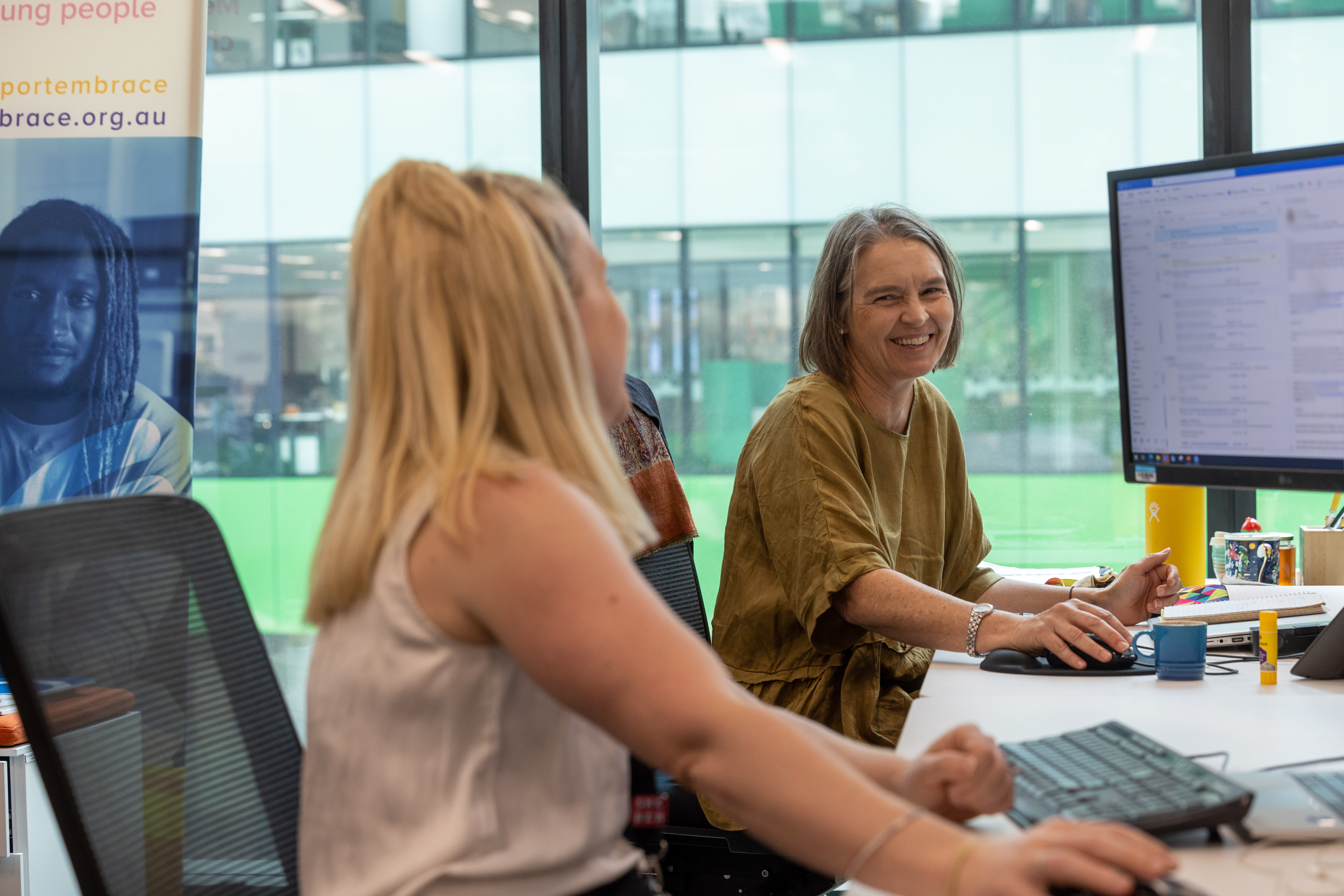
Community identifies priorities for new youth mental health researchEmbrace at The Kids Research Institute Australia has identified the top 10 unexplored infant, child and youth mental health research priorities in consultation with the Western Australian community.
Research
WA Aboriginal Child Health Survey (WAACHS) Linked Data StudyThis study is a partnership between researchers, the Aboriginal community and government to provide evidence for policy and practice addressing high priority health and wellbeing issues for Aboriginal children and families.
Research
Understanding Disclosure Decisions in Parents of Children with Attention Deficit/Hyperactivity DisorderParents of children with attention-deficit/hyperactivity disorder (ADHD) often make disclosure decisions about their child's ADHD on their behalf. While disclosure can facilitate access to support, it risks stigma. Despite ADHD being one of the most common neurodevelopmental conditions, little is known about parent's experiences in relating information about their child's ADHD diagnosis or medication use, to others.
Research
Prevalence of chronic respiratory diseases in Aboriginal children: A whole population studyThe burden of bronchiectasis is disproportionately high in Aboriginal adults, with early mortality. Bronchiectasis precursors, that is, protracted bacterial bronchitis and chronic suppurative lung disease, often commence in early childhood.
The Role We are seeking an exceptional professional to join our team as a full-time Program Development Coordinator to drive the formation of an
Research
QMAP: Mapping journeys of digital and face-to-face mental health support in LGBTQA+ young people living in AustraliaThis project aims to visually map the journeys and experiences of LGBTQA+ young people in Australia with lived experience of accessing mental health support through formal healthcare, youth and community services, and informal networks of care.
Research
Gender, Culture and Intervention: Exploring Differences between Aboriginal and Non-Aboriginal Children's Responses to an Early Intervention ProgrammeEvaluation of a group parenting programme in the Northern Territory of Australia showed significant differences in benefits for Aboriginal and non-Aboriginal...
News & Events
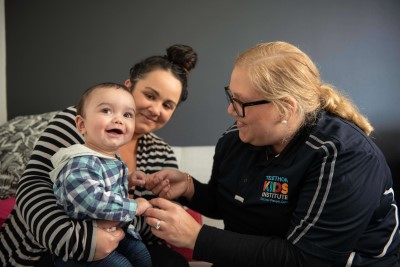
Perth’s Aboriginal babies show first signs of ear disease at just eight weeksThe Kids Research Institute Australia researchers have found close to 40 per cent of Aboriginal babies begin to develop middle ear infections between two and four months of age in a first of its kind study in metropolitan Perth.
Research
Non-specific psychological distress, smoking status and smoking cessation: United States National Health Interview Survey 2005It is well established that smoking rates in people with common mental disorders such as anxiety or depressive disorders are much higher than in people...
News & Events
Congratulations to Professor Helen Milroy – WA’s 2021 Australian of the YearThe Kids Research Institute Australia congratulates Professor Helen Milroy on being named Western Australia’s 2021 Australian of the Year.