
Search

News & Events
Study finds Covid-19 severity reduced for childrenAn international study examining Covid-19 severity on hospitalised children and adolescents has found that as the virus became more infectious, intensive care admissions dropped across multiple age groups regardless of vaccination status.

News & Events
Implants could replace painful injections to treat rheumatic heart diseasePainful monthly penicillin injections to treat and prevent Rheumatic Heart Disease (RHD) could be replaced with a longer-acting implant, a recent study has found.

News & Events
Study to protect babies from flu as flu season strikes earlyParents of babies in Perth and Adelaide are being urged to take part in a landmark study to examine the best ways to keep their child safe from influenza this winter, amid a surge in serious infections.
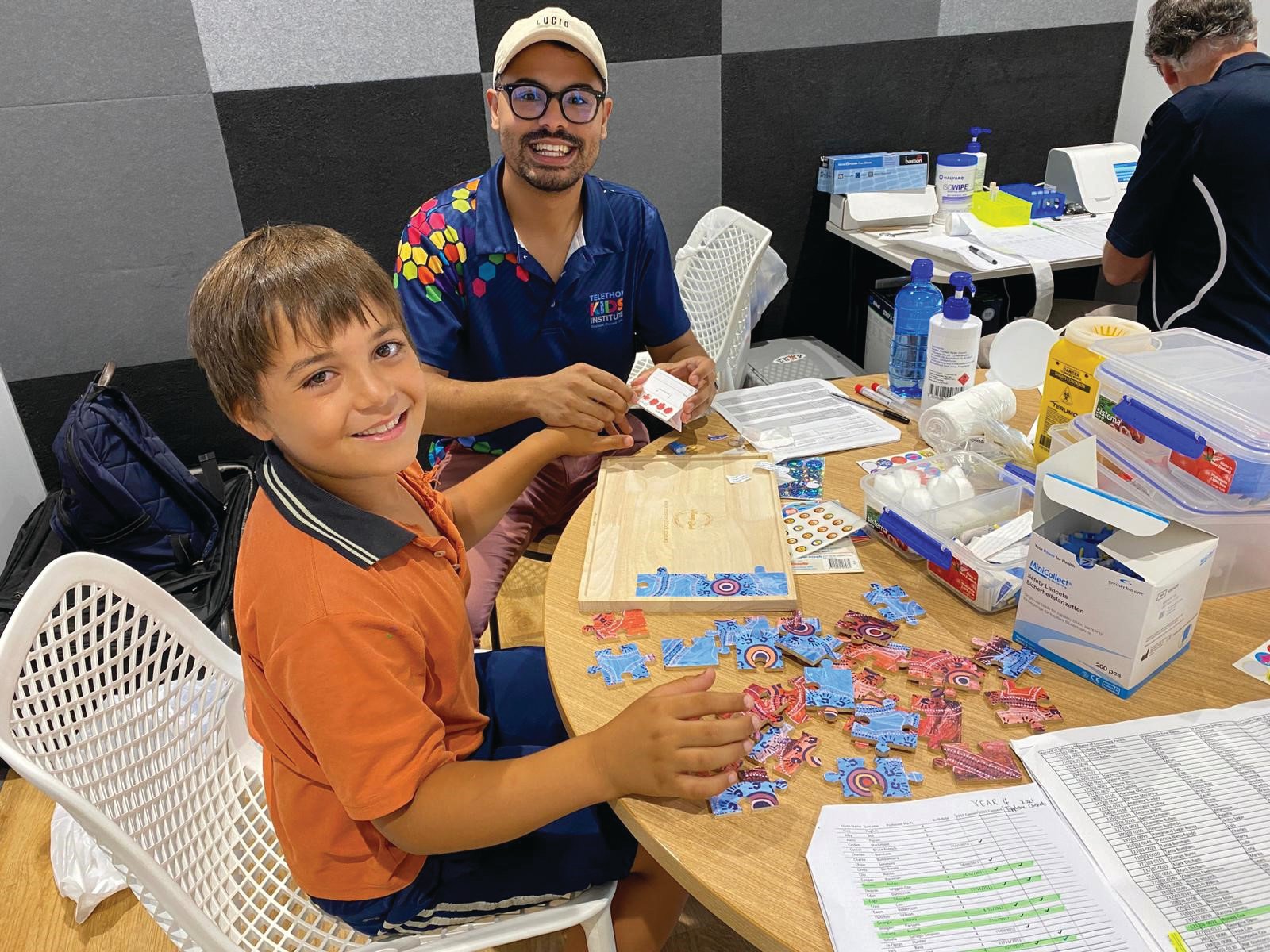
Thanks to research, a six -second test can get the answers that could save a child’s life.
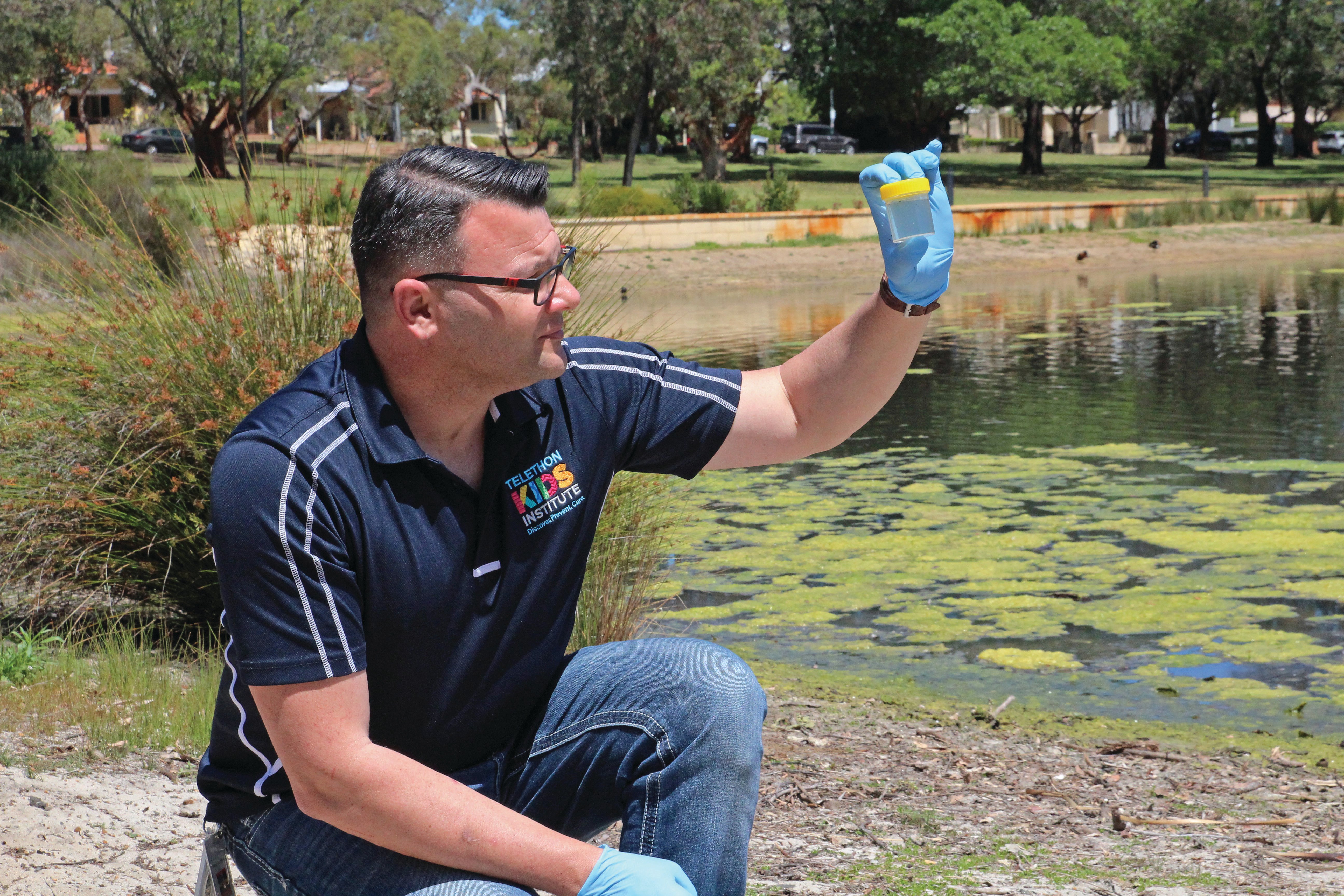
Perth researchers discovered a naturally occurring virus living in the city’s waterways that could potentially fight antibiotic-resistant superbugs.
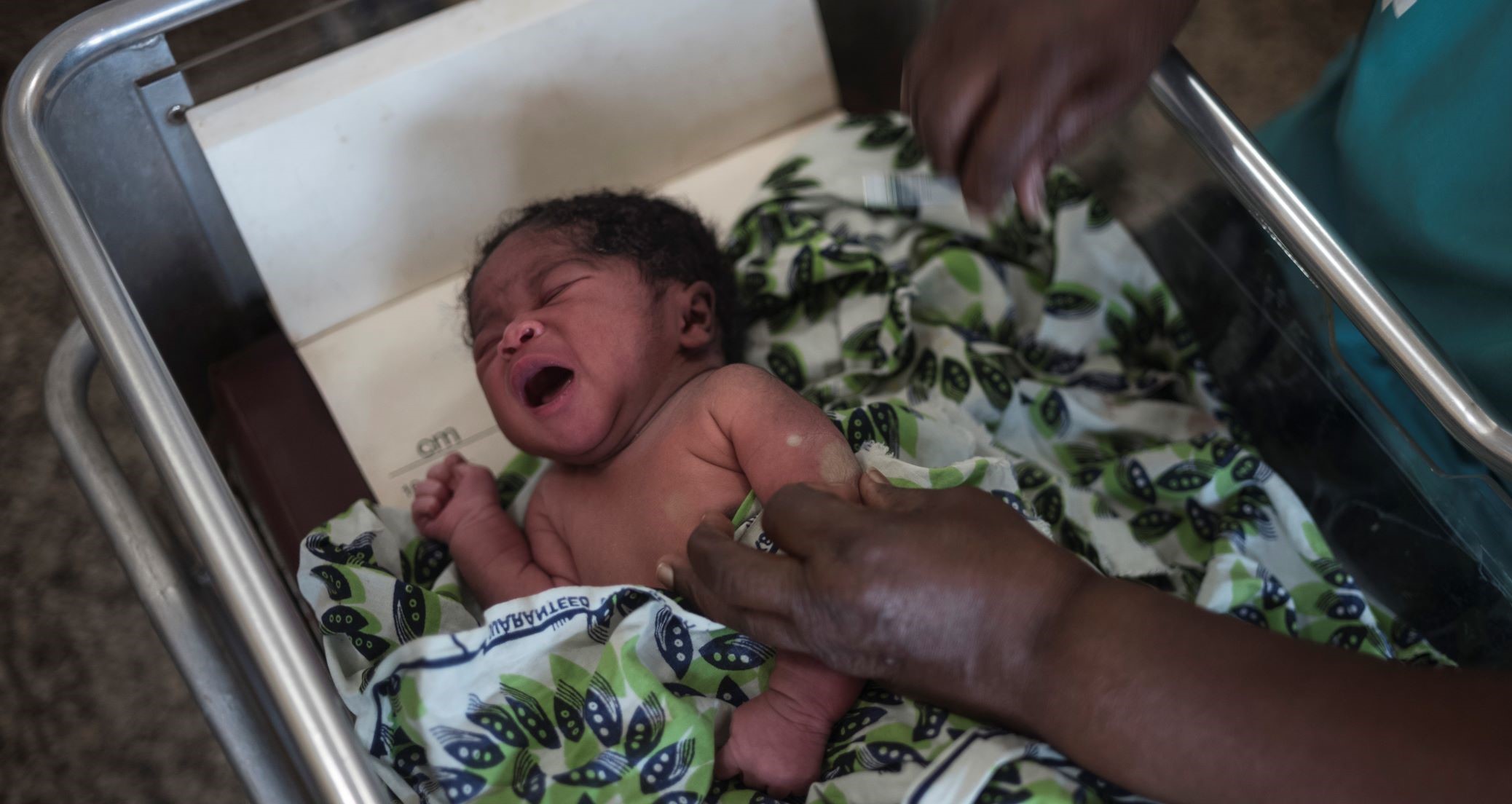
The veteran tuberculosis vaccine BCG has puzzled scientists for decades. Now, The Kids researchers have not only unlocked part of the secret to its success in saving the lives of newborns, but they’re at the forefront of global efforts to test its ability to fight COVID-19.
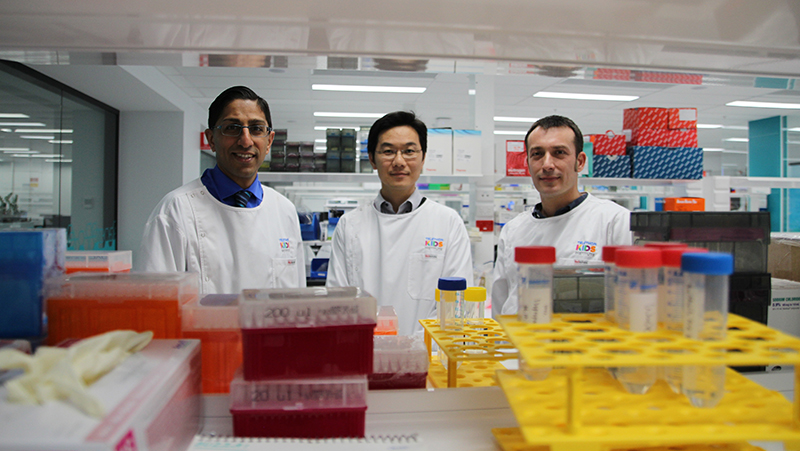
Kids born with Down syndrome are at high risk of an array of health problems – including issues with sight, hearing, heart defects, bone complications, immune disorders and learning difficulties.
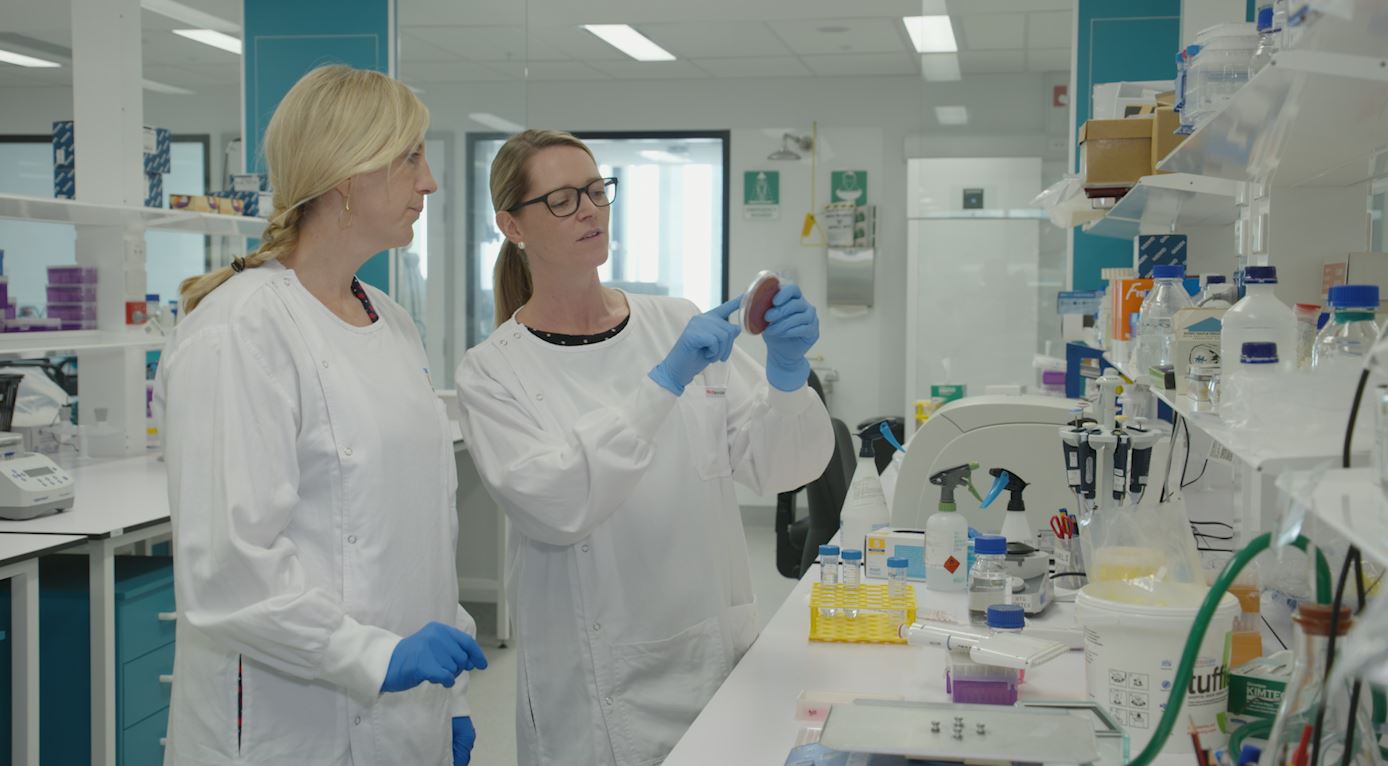
Wiping out childhood ear infections could become a reality thanks to new research identifying the main bacteria responsible for recurrent ear infections and repeat ear surgeries.
Research
Mental HealthAccording to the Young Minds Matter study, mental health disorders such as anxiety and depression are experienced by approximately one in seven or 560,000 young people in Australia. These disorders can often have a significant impact on children’s learning and development and on family life.
Research
BullyingBullying is now regarded as a health problem and not just a disciplinary problem. Increasing evidence shows both traditional bullying (e.g. hitting, teasing) and cyberbullying have lasting effects on young people (both those who bully and those who are bullied), including damage to self-esteem, academic results and mental health.