Search
Showing results for "mental health aboriginal"
Research
Gender, Culture and Intervention: Exploring Differences between Aboriginal and Non-Aboriginal Children's Responses to an Early Intervention ProgrammeEvaluation of a group parenting programme in the Northern Territory of Australia showed significant differences in benefits for Aboriginal and non-Aboriginal...
Research
The parent empowerment scale: development and psychometric propertiesParents of trans and gender diverse (herein ‘trans’) children experience additional challenges in their parenting role relative to parents of cisgender children. Understanding and enhancing parents’ empowerment is a promising approach to support both parents and children. We aimed to develop an empowerment scale specific to parents of trans children, grounded in parents’ lived experiences.
Research
Eighth annual conference of in VIVO planetary health: From challenges to opportunitiesHere, we present the abstracts and proceedings of our 8th annual conference, held in Detroit, Michigan in May 2019, themed "From Challenges, to Opportunities"
News & Events
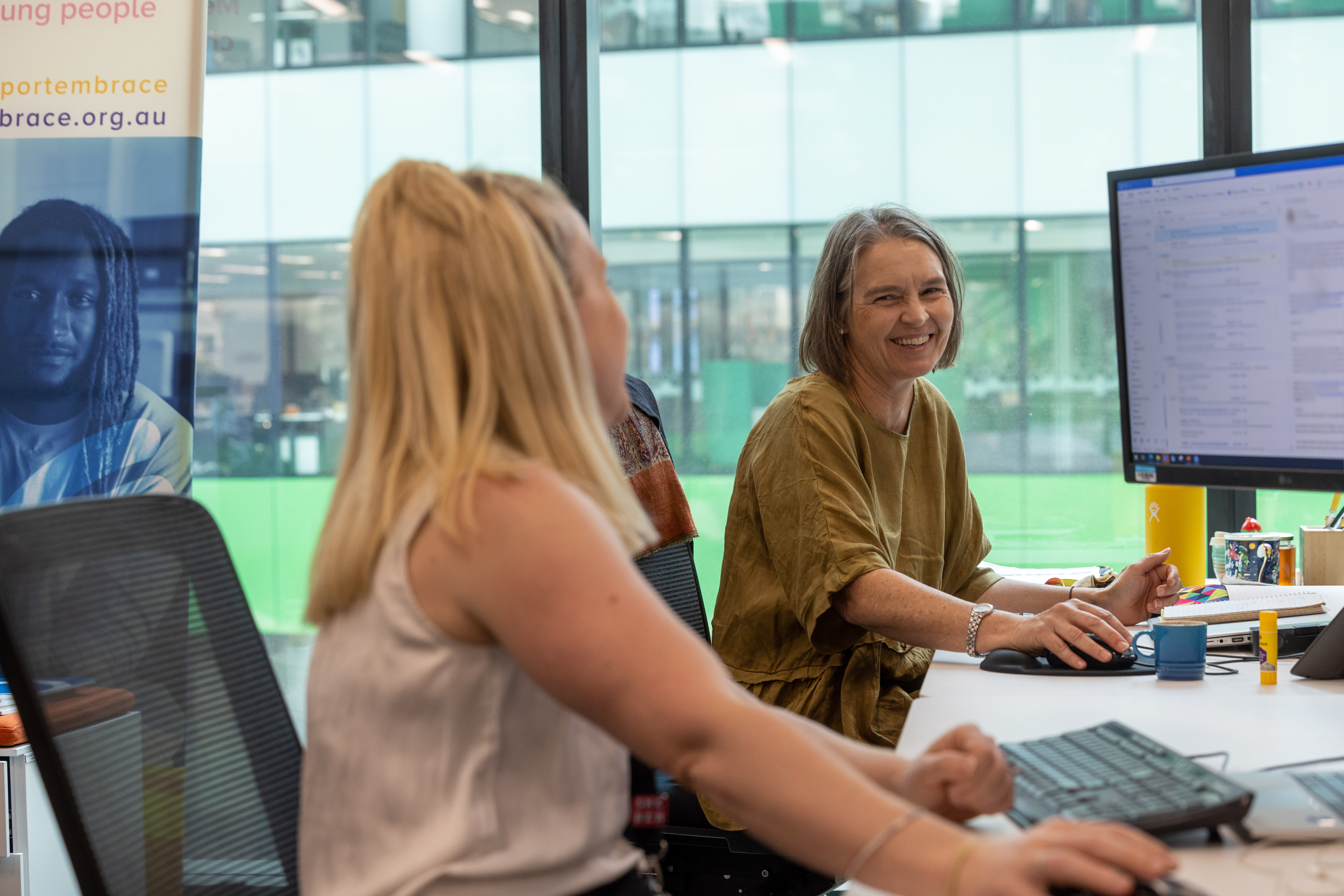
Community identifies priorities for new youth mental health researchEmbrace at The Kids Research Institute Australia has identified the top 10 unexplored infant, child and youth mental health research priorities in consultation with the Western Australian community.
Research
Association between mental health workforce supply and clusters of high and low rates of youth suicide: An Australian study using suicide mortality data from 2016 to 2020Abstract: To examine the association between mental health workforce supply and spatial clusters of high versus low incidence of youth suicide.
Research
The potential impact of smoke-free facilities on smoking cessation in people with mental illnessThe aim of this paper was to estimate the degree to which smoke-free facilities may facilitate smoking cessation in smokers with mental illness by estimating...
Research
Maladaptive parenting and child emotional symptoms in the early school yearsThe current study investigated whether being exposed to maladaptive parenting (high hostility and low warmth) and/or marital conflict in infancy is...
Research
Young Minds MatterYoung Minds Matter is the largest survey of child and adolescent mental health and wellbeing ever conducted in Australia.
Research
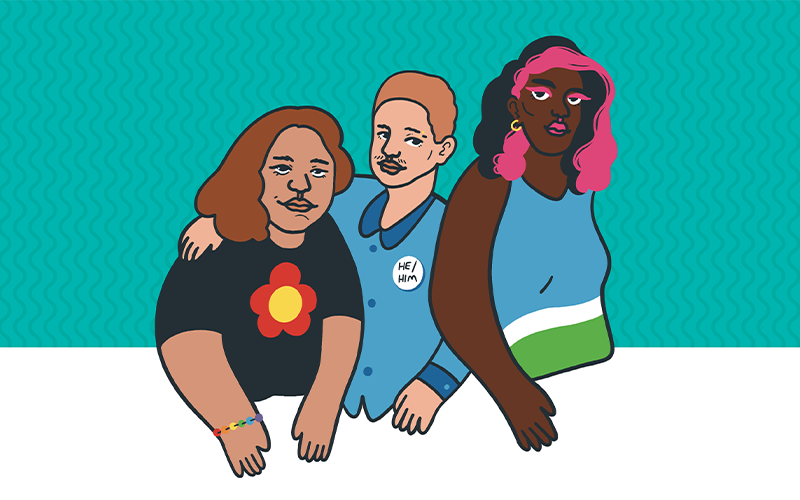
Suicide prevention in LGBTQA+ young people: Best practice guidelines for clinical and community service providersThese guidelines outline a set of best practices for suicide prevention in LGBTQA+ young people, targeting both clinical and community service providers.
News & Events
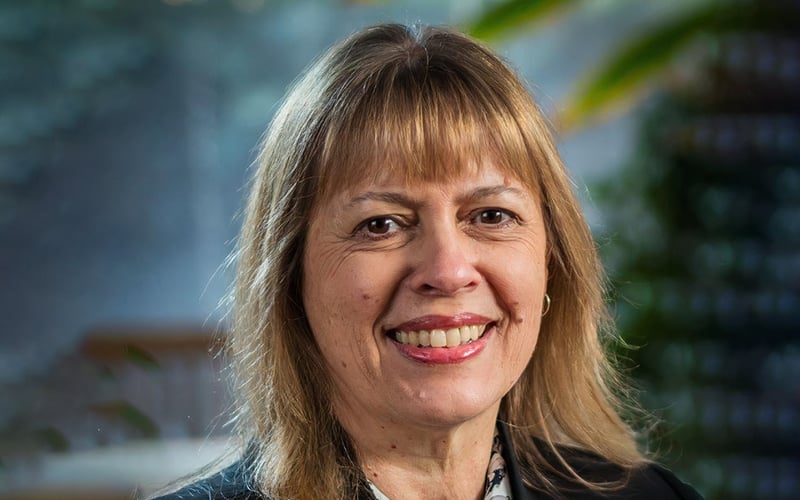
Congratulations to Professor Helen Milroy – WA’s 2021 Australian of the YearThe Kids Research Institute Australia congratulates Professor Helen Milroy on being named Western Australia’s 2021 Australian of the Year.