Search

The Kids CONNECT honours the many ways our community supports us to make our research great and achieve our vision of happy healthy kids.

Neil Dad to five biological children and five long-term foster kids. Project community member, trial participant, advocate. Of my desire

News & Events
Driving change for children with disabilityToday marks International Day of People with Disability (IDPwD), a United Nations initiative that encourages communities around the world to deepen their awareness, understanding and acceptance of people with disability.

News & Events
Major NHMRC grant prioritises strong skin for Aboriginal childrenEfforts to improve health outcomes for Aboriginal children have been accelerated thanks to almost $1 million in National Health and Medical Research Council (NHMRC) funds awarded to skin health researchers at The Kids Research Institute Australia.

News & Events
Funding boost for groundbreaking child health researchResearchers from The Kids Research Institute Australia will share in almost $4 million in grants to continue groundbreaking research to tackle childhood cancer, asthma, respiratory viral infections and more.
News & Events
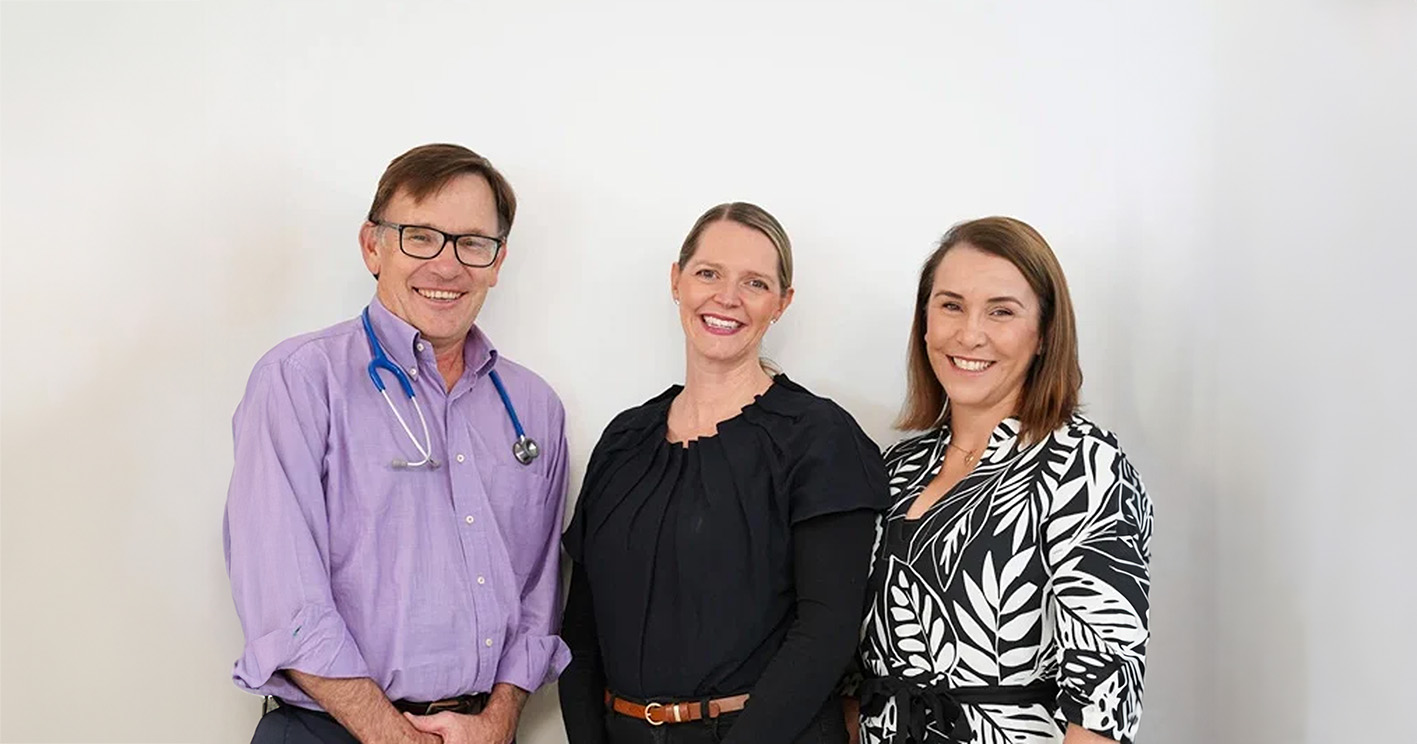
Top-up funding announced to fast-track clinical trials of Spritz-OMResearchers developing a nasal therapy to prevent childhood ear infections and reduce overuse of antibiotics have received $300,000 in top-up funding.
News & Events
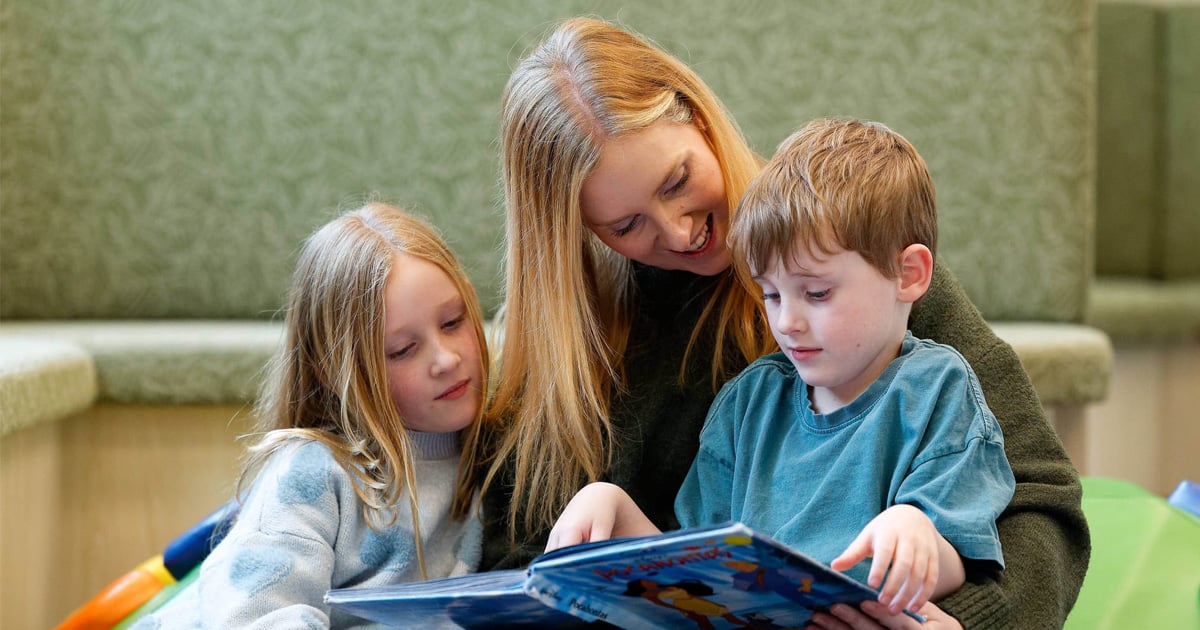
Active books for active kids!Walk through the jungle, hunt for the bear, or do the animal bop this Book Week! Acting out stories is a wonderful way to encourage active play with your child.
News & Events
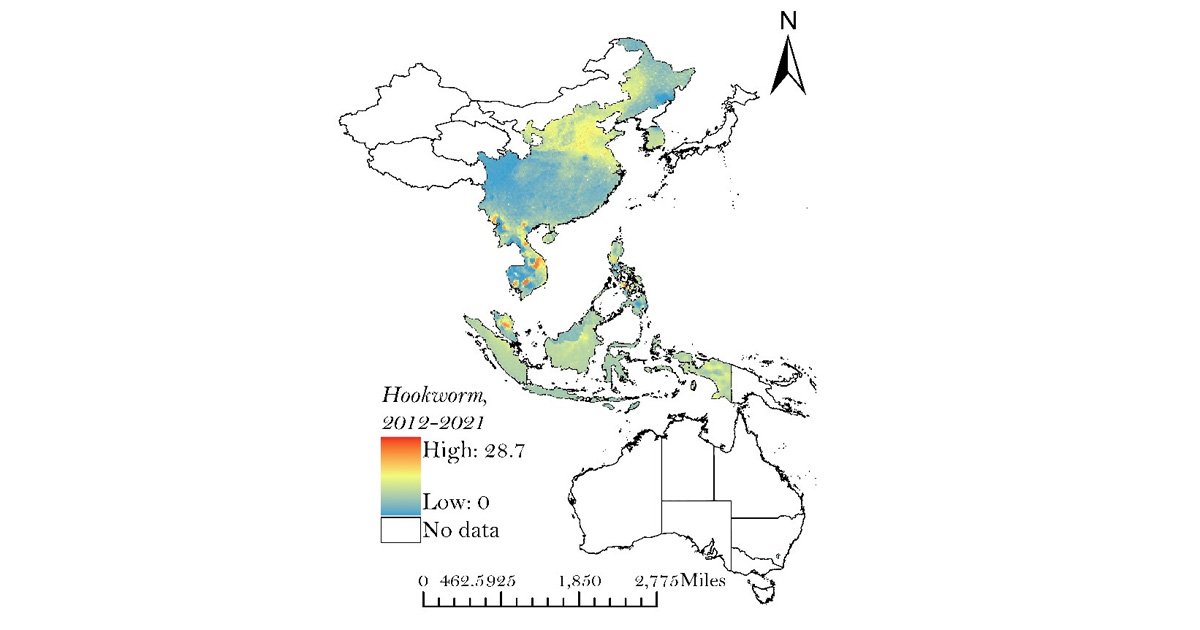
Cutting edge spatial maps reveal Western Pacific hotspots for parasitic wormsA global research team led by geospatial modelling experts from The Kids Research Institute Australia and Curtin University has provided the first detailed maps identifying hotspots across the Western Pacific Region where debilitating parasitic worms are rife.
News & Events
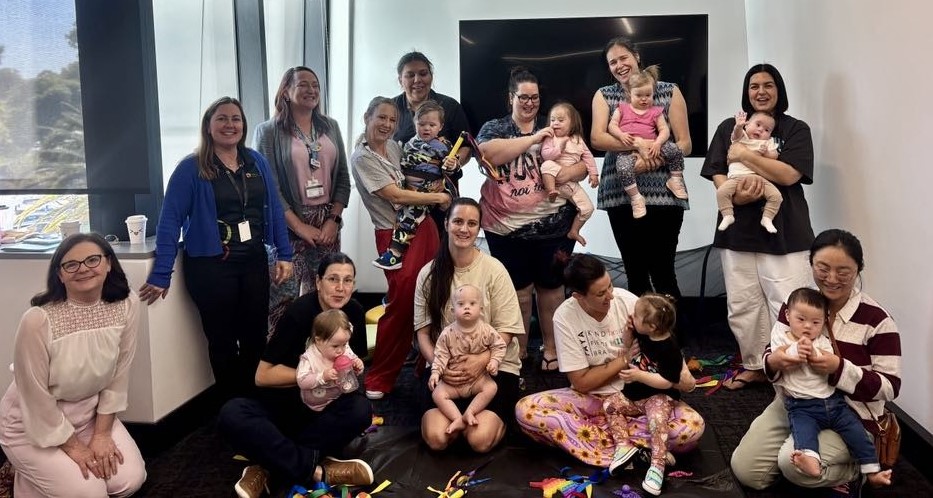
New partnership with Down Syndrome WAResearchers from the Wesfarmers Centre of Vaccines and Infectious Diseases, based at The Kids Research Institute Australia, are partnering with Down Syndrome WA to learn more about how respiratory syncytial virus, or RSV, affects children with increased medical vulnerability.