
Search
News & Events
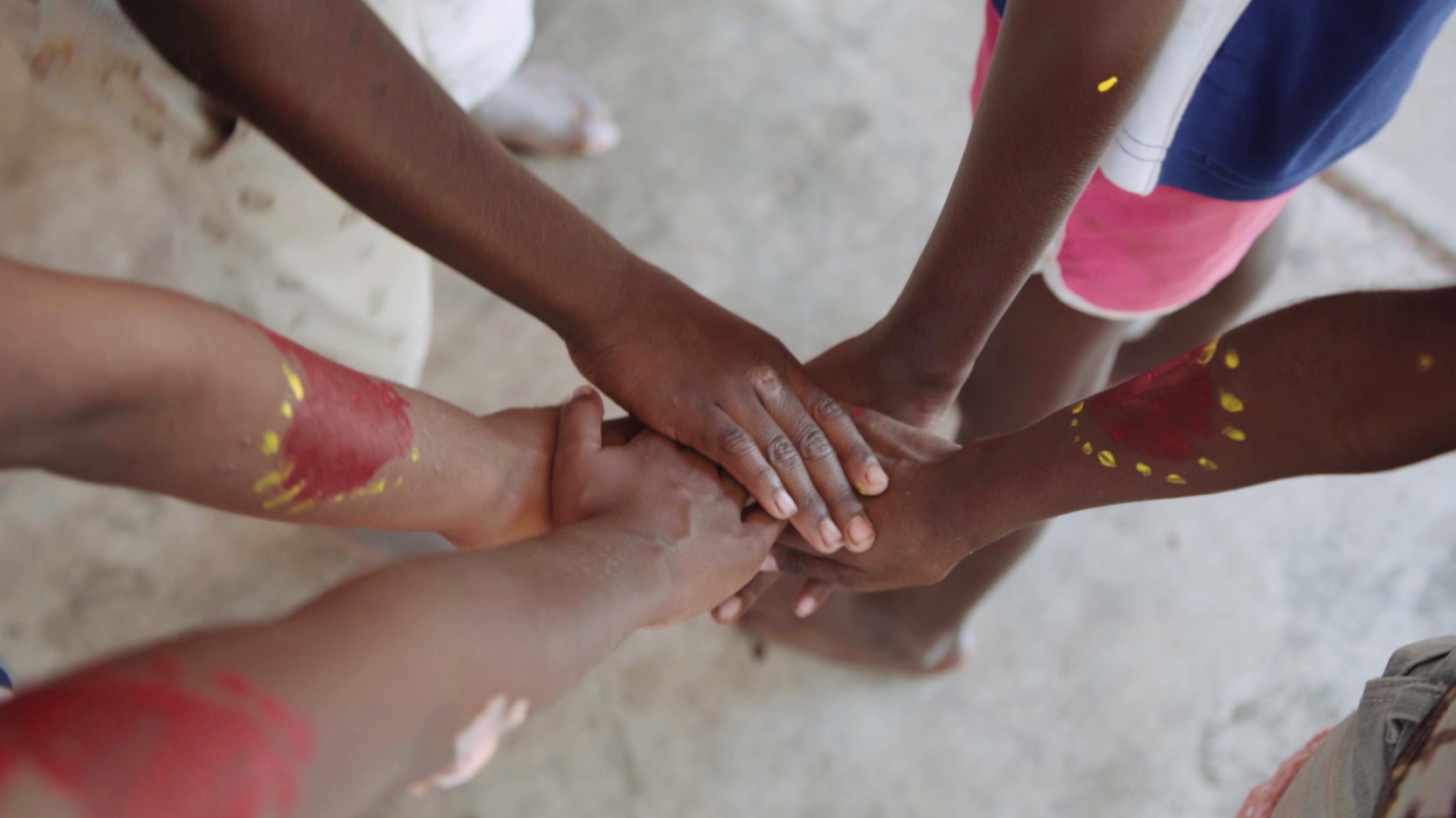
National funding to help foster healthier food environments and fight RHDResearch teams led by The Kids Research Institute Australia have been awarded $3.75 million to support two innovative projects – one focused on pioneering a national ‘Food Atlas’ to map access to healthy and unhealthy food across the country, and the other on developing new ways to prevent Strep throat and rheuma
News & Events
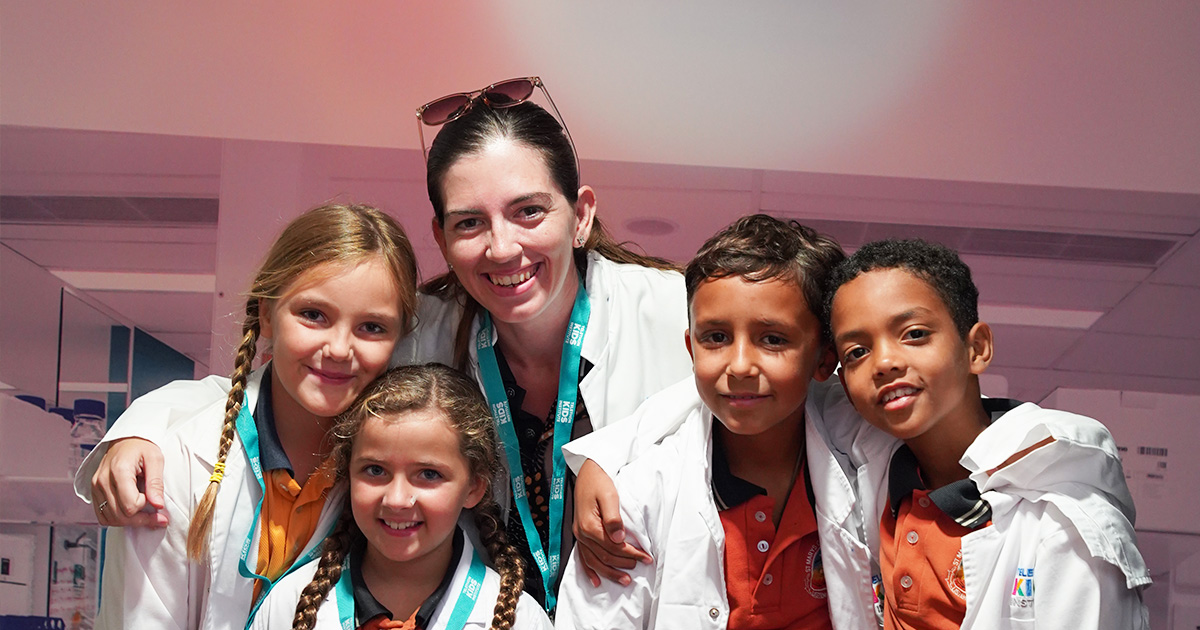
International Volunteer Day: The Kids Research Institute Australia’s Executive Director says thank youMailing list Discover. Prevent. Cure. Be Inspired About The Kids Join thousands of active subscribers and hear about the brave kids, dedicated
News & Events
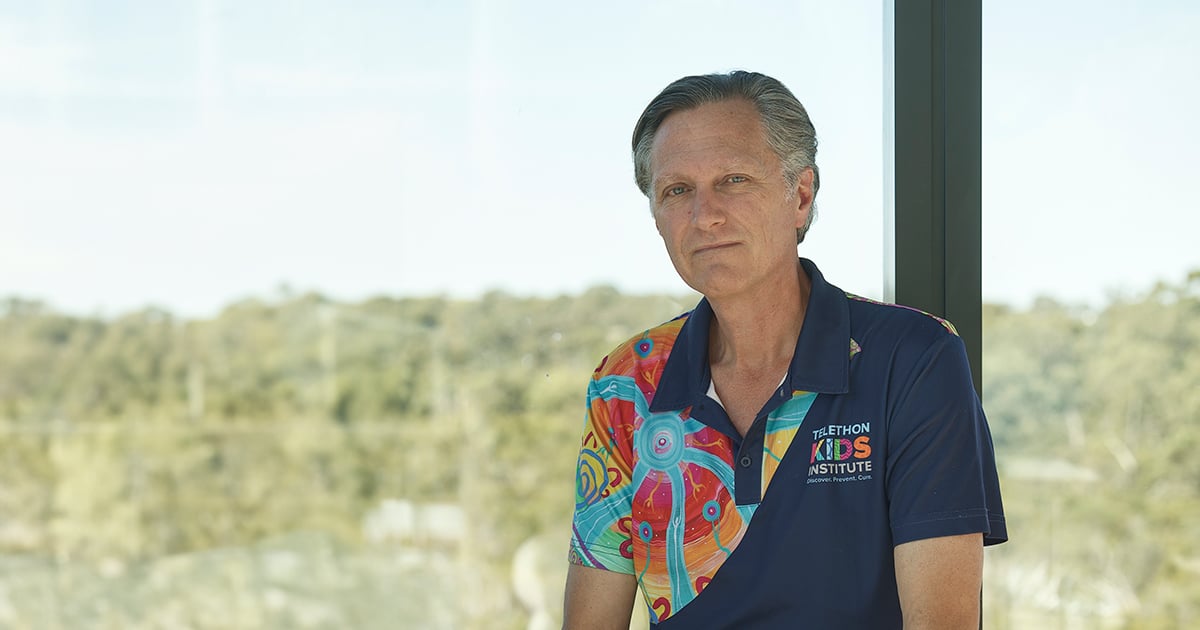
Opinion: Why I am voting yes in the Voice ReferendumAustralia has nothing to lose by voting Yes, but First Nations people have everything to gain. And if the lives of First Nations people improve, we all win.
News & Events
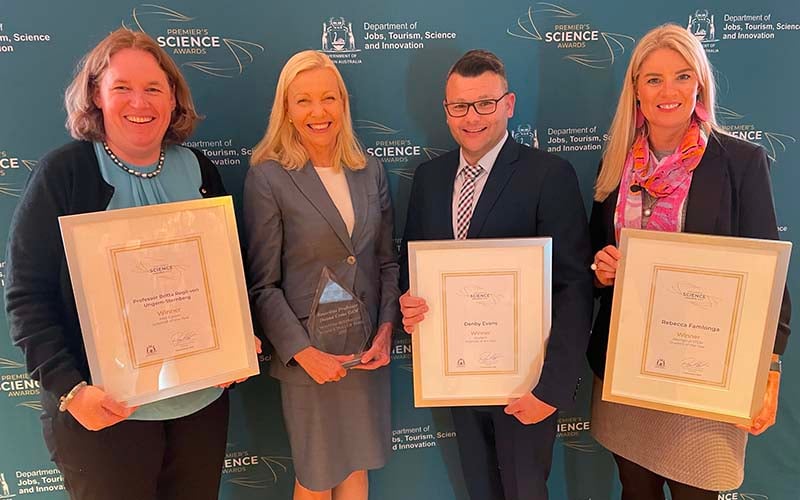
The Kids Research Institute Australia researchers take out prestigious Premier’s Science AwardsThree outstanding researchers have won 2023 Premier’s Science Awards, with another inducted into the prestigious WA Science Hall of Fame.
News & Events
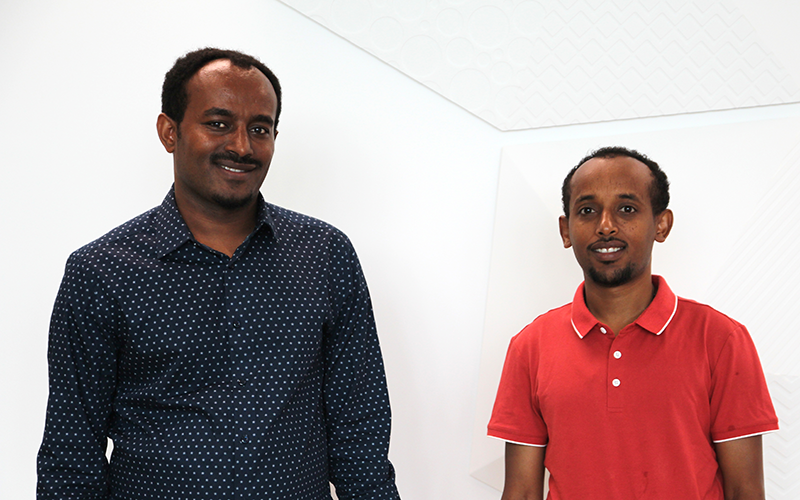
Survivors of drug-resistant TB face long-term health problems: studyNew research highlights the long-term physical health problems faced by people who survive drug-resistant tuberculosis (TB) .
News & Events
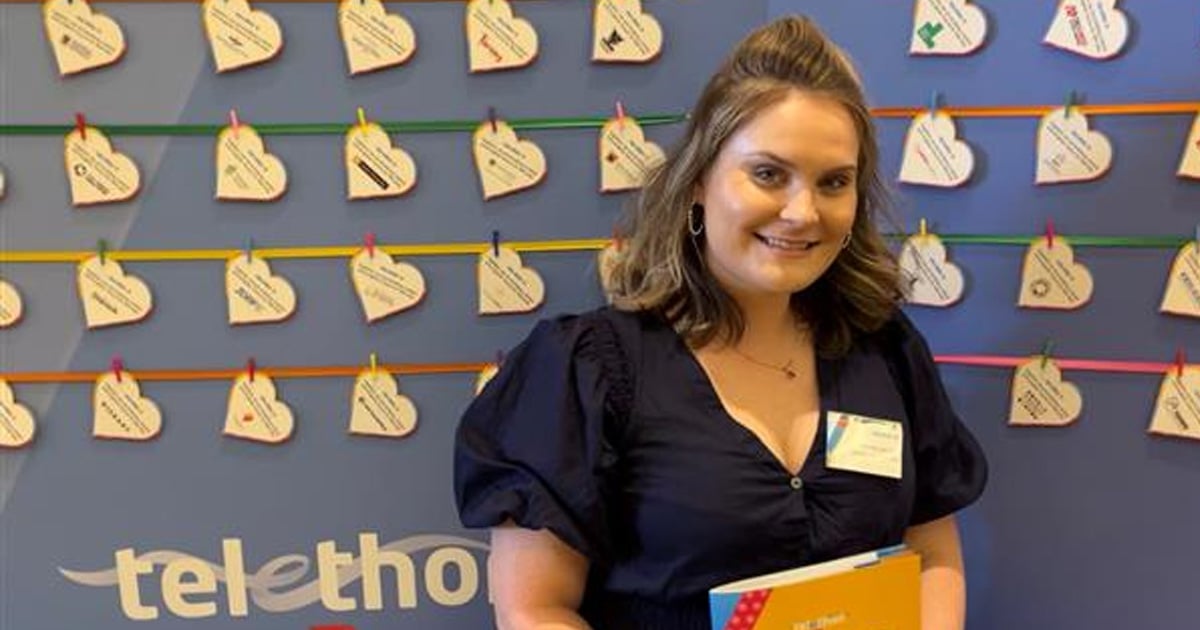
Anaesthesia, suicide prevention and rare disease research supported by Telethon 2022The generous support of West Australians through Channel 7’s Telethon Trust will help support vital child health research at The Kids Research Institute Australia in 2023.
News & Events
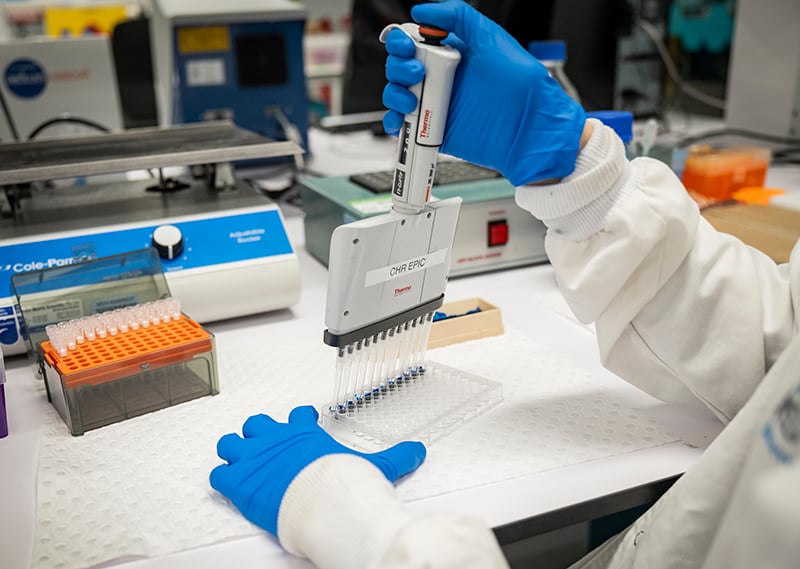
The Kids Research Institute Australia researchers awarded $11 million to support vital child health researchResearchers from The Kids Research Institute Australia have been awarded more than $11 million to support vital child health projects, under the Federal Government’s Medical Research Future Fund.

News & Events
International Women’s Day: Question & AnswerToday, and every day, we celebrate the inspiring female researchers, students and professional staff who work at The Kids Research Institute Australia, and the contribution they make to child health research in Australia.
News & Events
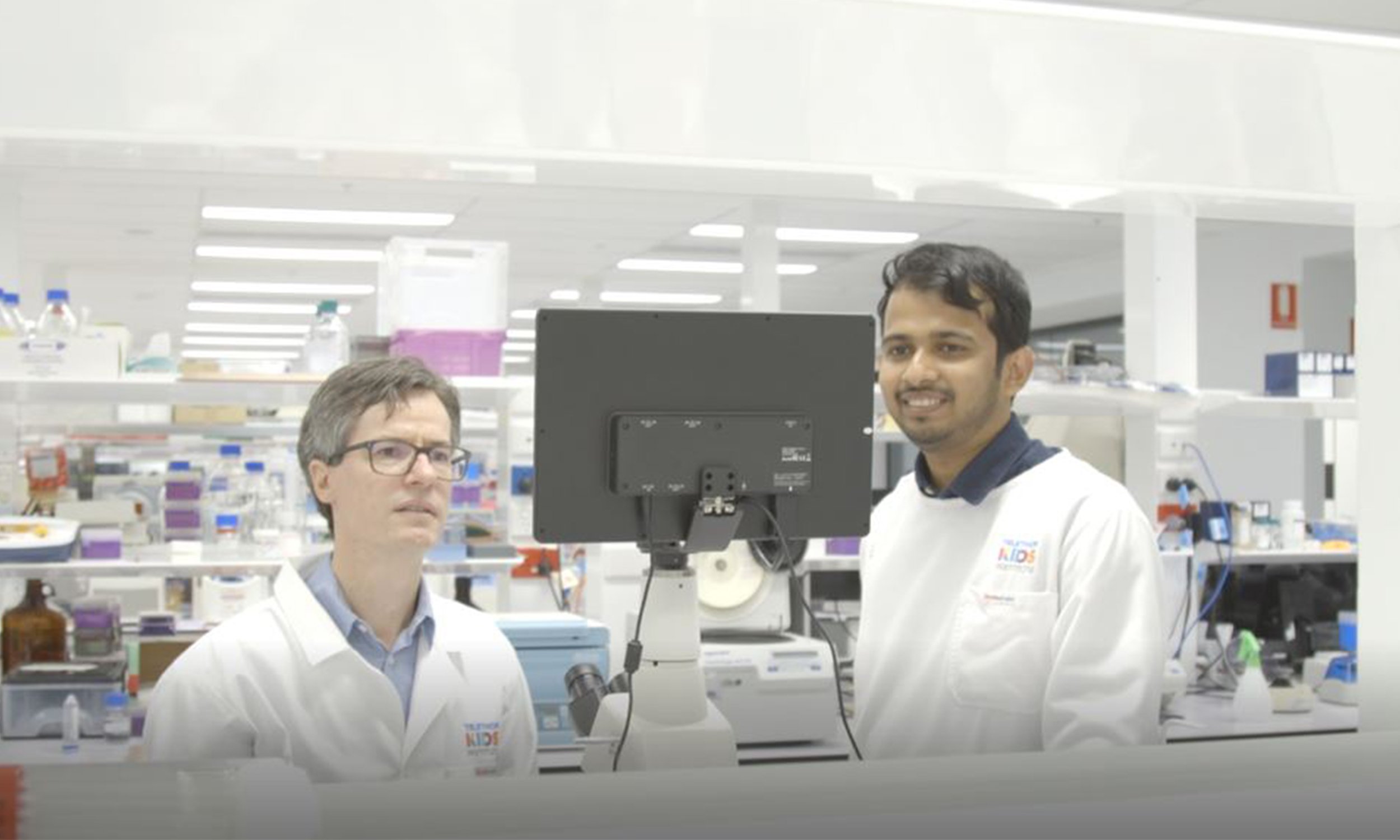
Major grant awarded to tackle antibiotic resistanceVital research aiming to improve the treatment of potentially deadly Group A Streptococcus (Strep A) has been awarded $820,000 in the latest round of National Health and Medicine Research Council’s Ideas Grants.

Learn more about the research and programs produced as part of the Banksia Hill Project, plus related research projects at Telethon Kids Institute.