
Search
Showing results for "preterm birth lungs"
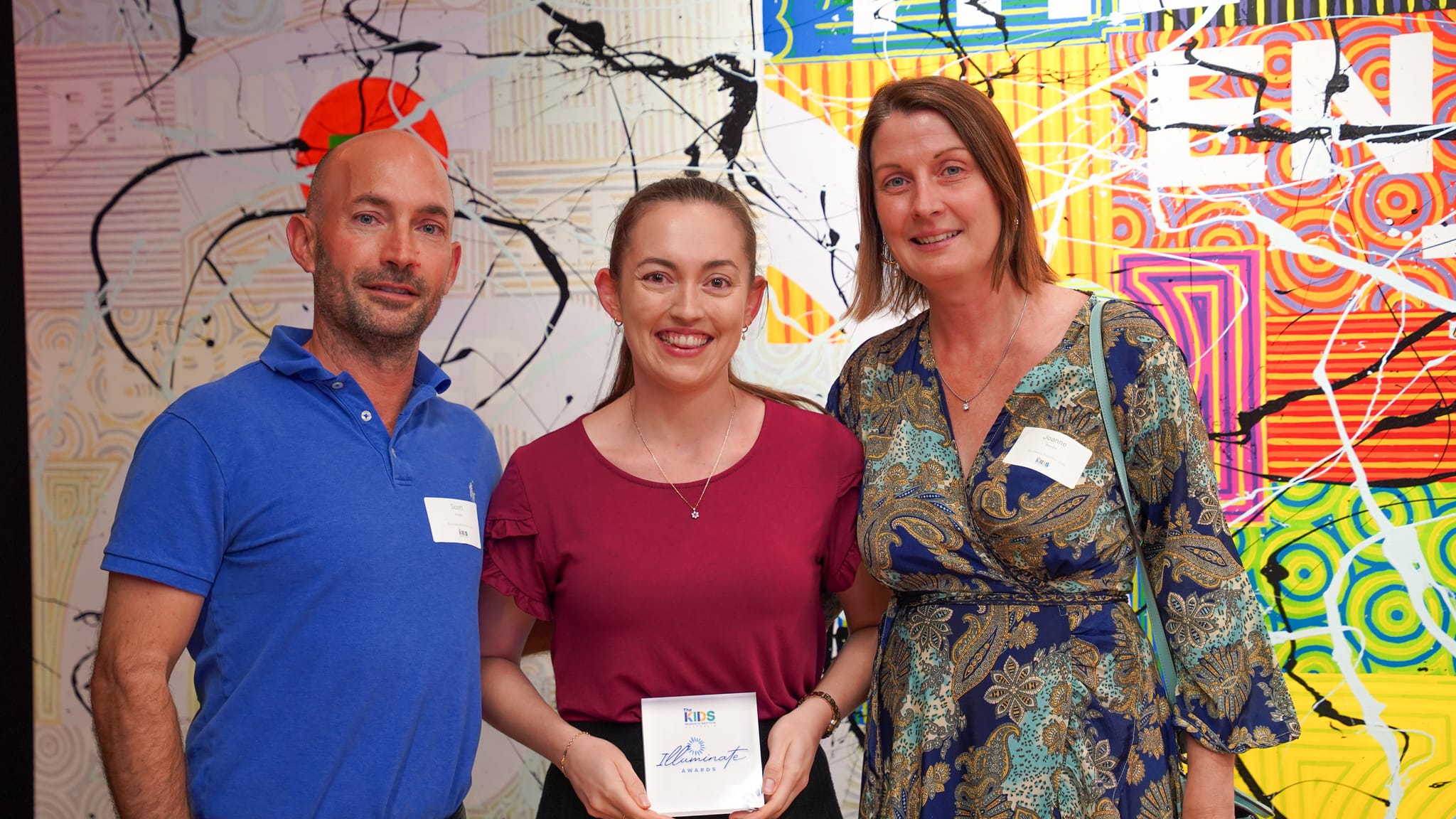
Dr Denby Evans, a Wal-yan Respiratory researcher, has been awarded a $25,000 Illuminate Award for her work to change that. Funding by Helping Little Hands, the award was presented at The Kids Research Institute Australia’s 2026 Illuminate PitchFest.
Anthony Christopher David Ingrid Shannon Thomas Kicic Blyth Martino Laing Simpson Iosifidis BSc (Hons) PhD MBBS (Hons) DCH FRACP FRCPA PhD BSc PhD
Extremely preterm infant survival has significantly improved with advanced neonatal care; however outcomes of infants born with birth weight ≤500 g remain poor. We aimed to review outcomes of this cohort in our Institution.
It is known that a previous preterm birth increases the risk of a subsequent preterm birth, but a limited number of studies have examined this beyond two consecutive pregnancies. This study aimed to assess the risk and patterns of (recurrent) preterm birth up to the fourth pregnancy.
This review aims to summarise what is known about the long-term pulmonary outcomes of contemporary preterm birth
The aim of this review is to highlight the risk factors that may contribute to increased susceptibility to viral respiratory infections among preterm infants
The pathophysiology of BPD has changed in recent years as advances in neonatal care have led to increased survival of smaller, more preterm, infants who...
Marked increases in maternal age and primiparous births were observed. A four-fold increase in the rates of pre-existing medical complications over time...
Brad Carrington Fiona Farrant Shepherd Stanley BSc (Hons), PhD PhD FAA FASSA MSc MD FFPHM FAFPHM FRACP FRANZCOG HonDSc HonDUniv HonFRACGP HonMD
This research project will investigate the traits of preterm lung disease, looking into the long-term lung health of children born preterm, aiming to identify traits that could help guide better treatments in the future.