
Search
Showing results for "early lung health"
Research
How ‘healthy’ do children really need to be? Going beyond the limitsThe authors assessed the impact of including preschool‐aged children with a history of preterm birth, early life wheeze, asthma diagnoses and/or recent respiratory symptoms in healthy reference ranges for respiratory impedance using the forced oscillation technique (FOT).
Research
Maternal exposure to indoor air pollution and birth outcomesAlthough formaldehyde concentrations were very low, this finding is consistent with other studies of formaldehyde and poor birth outcomes
Research
Chemical analysis of fresh and aged Australian e-cigarette liquidsTo assess the chemical composition of electronic cigarette liquids (e-liquids) sold in Australia, in both their fresh and aged forms. Design, setting: Gas chromatography–mass spectrometry analysis of commercial e-liquids sold in Australia (online and physical stores).
Research
Developing a smartphone application to support social connectedness and wellbeing in young people with cystic fibrosisThis study developed and tested a highly usable, and moderately acceptable, smartphone app to improve the psychosocial health of young people living with CF
Research
Partial amelioration of a chronic cigarette-smoke-induced phenotype in mice by switching to electronic cigarettesElectronic cigarettes ("e-cigarettes") are often marketed as smoking cessation tools and are used by smokers to reduce/quit cigarette smoking. The objective of this study was to assess the health effects of switching to e-cigarettes after long-term smoking in a mouse model and compare these effects with continued smoking, or quitting entirely.
News & Events
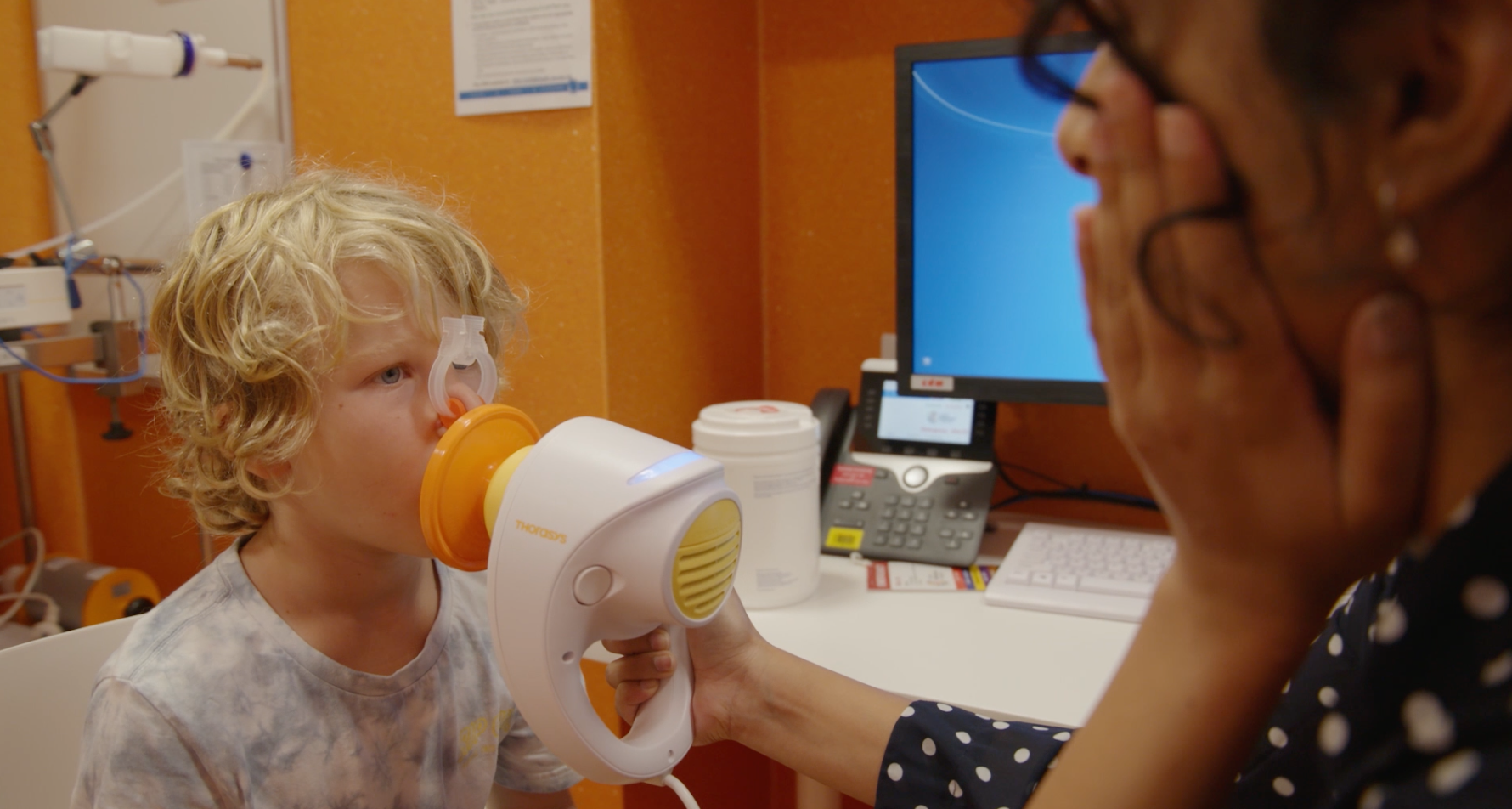
New drug offers hope for people living with cystic fibrosisA promising new treatment pioneered in Western Australia for people with cystic fibrosis has commenced testing in a clinical trial in the United States and Australia.
Research
The Global Asthma Network: Understanding asthma in urban and regional Western AustraliaRachel Graham Alexandra Foong Hall Whelan BSc (hons), PhD, MBiostat BAppSci PhD CRFS FANZSRS FThorSoc FERS BSc, MPH Honorary Research Associate
News & Events
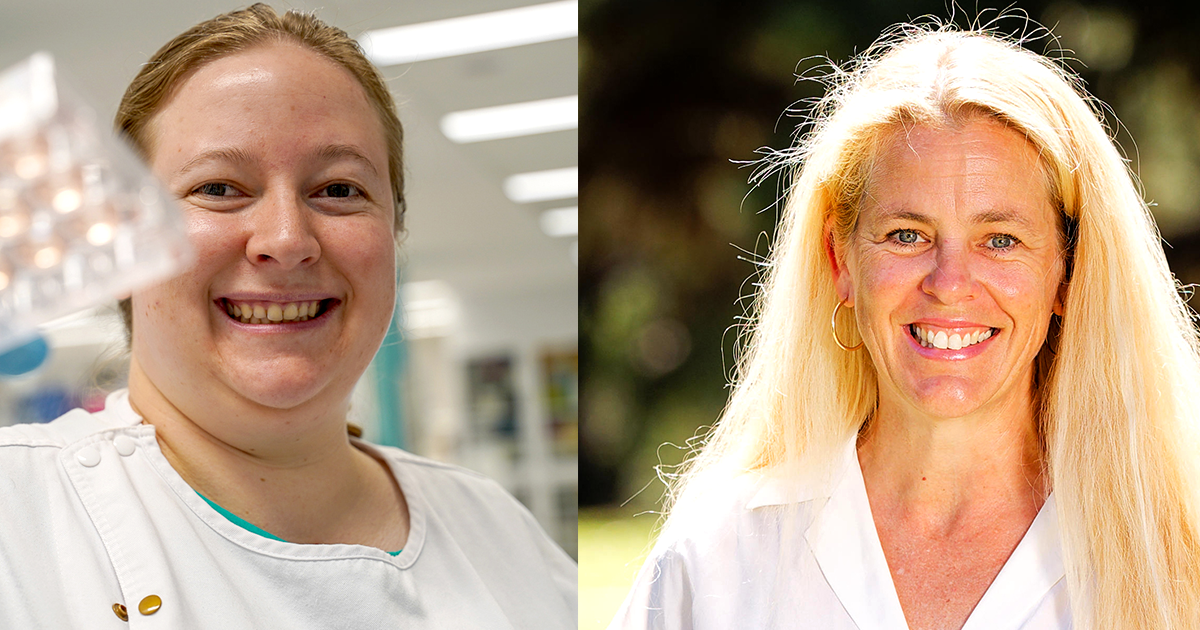
Top researchers recognised for respiratory researchTwo leading researchers from The Kids received significant endorsements to advance their research at last night’s Thoracic Society of Australia and New Zealand and the Australian and New Zealand Society of Respiratory Science (TSANZSRS) Annual Scientific Meeting in Adelaide.
Research
Chemical analysis of new and “aged” e-liquids: Development of a rapid toxicological screening approachAlexander Larcombe BScEnv (Hons) PhD Honorary Research Fellow Honorary Research Fellow Associate Professor Alexander Larcombe began work at The Kids
News & Events
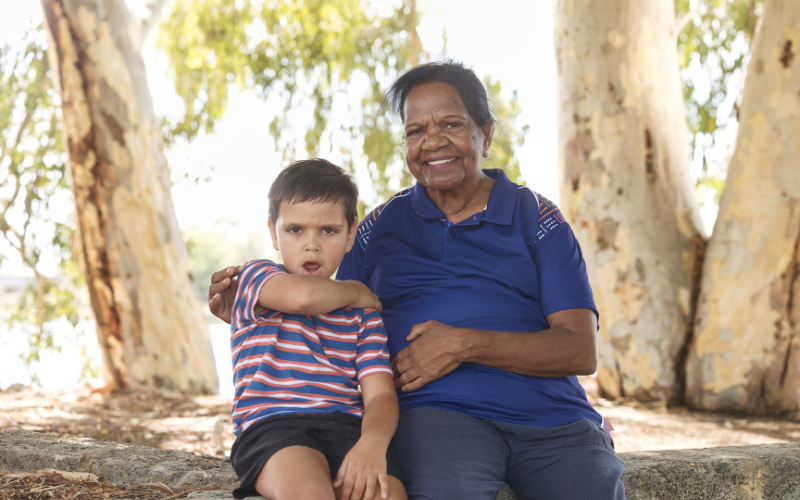
Perth campaign aims to raise awareness of dangers of a chronic wet cough in Aboriginal childrenAn intensive health promotion campaign which aims to raise awareness of the dangers of a chronic wet cough in Aboriginal children launched this month in Perth.