
Search
Showing results for "8"
News & Events
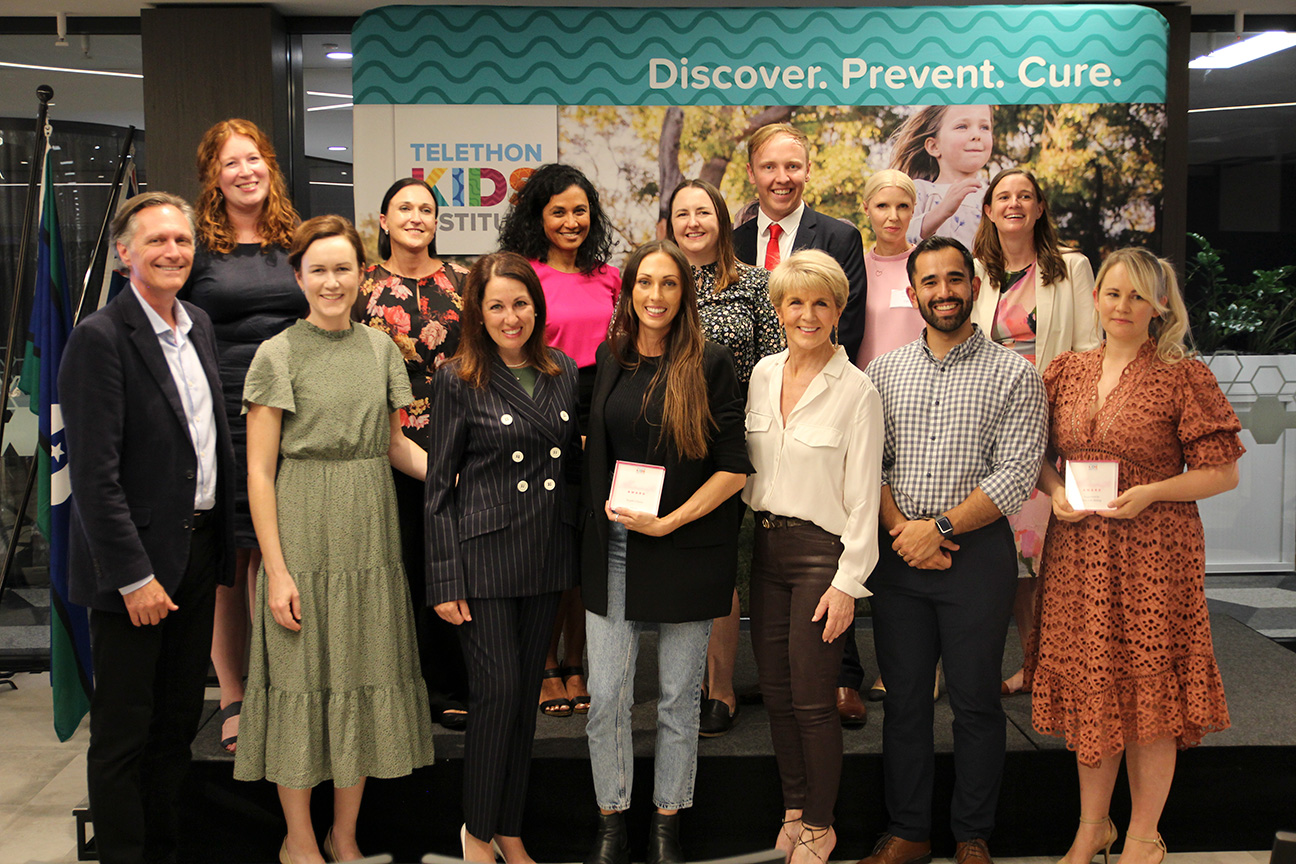
Pitch Perfect! Illuminate PitchFest 2023Ten researchers from different areas took to the stage with a carefully crafted presentation and three-minute pitch, in efforts to spark the interest of 80 guests
Research
Understanding Engagement in Digital Mental Health and Well-being Programs for Women in the Perinatal Period: Systematic Review Without Meta-analysisPregnancy and the postnatal period can be a time of increased psychological distress, which can be detrimental to both the mother and the developing child. Digital interventions are cost-effective and accessible tools to support positive mental health in women during the perinatal period.
Research
Advancing our understanding of psychological flow: A scoping review of conceptualizations, measurements, and applicationsResearch on psychological flow is well established, although criticisms remain regarding conceptual and measurement issues associated with the construct. This scoping review maps flow-related research across scientific disciplines, examining the conceptualization, measurement instruments, and outcomes of flow between 2012 and 2019. Across 236 sources that met the review criteria, 108 different flow-related constructs were measured by 141 instruments, and 84 possible antecedents were identified.
Research
Long-term economic outcomes for interventions in early childhood: protocol for a systematic reviewInvestment in early childhood produces positive returns: for the child, the family and the community.
Research
A peer support intervention for first-time mothers: Feasibility and preliminary efficacy of the mummy buddy programThe transition to motherhood, although joyous, can be highly stressful, and the availability of professional postpartum support for mothers is often limited. Peer volunteer support programs may offer a viable and cost-effective method to provide community-based support for new mothers. The aim of this study is to determine the feasibility of a peer volunteer support program-The Mummy Buddy Program-in which experienced volunteer mothers are paired with, and trained to offer social support to, first-time mothers.
Research
Oral and written communication skills of adolescents with prenatal alcohol exposure (PAE) compared with those with no/low PAE: A systematic reviewPrenatal alcohol exposure (PAE) is associated with growth deficits and neurodevelopmental impairment including foetal alcohol spectrum disorder (FASD). Difficulties with oral and written communication skills are common among children with PAE; however, less is known about how communication skills of adolescents who have PAE compare with those who do not.
Research
Fetal alcohol spectrum disorders screening tools: A systematic reviewScreening facilitates the early identification of fetal alcohol spectrum disorder (FASD) and prevalence estimation of FASD for timely prevention, diagnostic, and management planning.
Research
Breakfast skipping and cognitive and emotional engagement at school: A cross-sectional population level studyResearch on the consequences of breakfast skipping among students tends to focus on academic outcomes, rather than student wellbeing or engagement at school. This study investigated the association between breakfast skipping and cognitive and emotional aspects of school engagement.
Research
Aboriginal parent support: A partnership approachOur aim was to identify program elements, exploring participants’ perceptions of the program's suitability, feasibility, acceptability and effectiveness.
Research
Neighborhood Places for Preschool Children's Physical Activity: A Mixed-Methods Study Using Global Positioning System, Geographic Information Systems, and Accelerometry DataThis study adds to the current literature by using a novel device-based method to explore where preschool children are physically active outside of home and childcare settings. This study combined accelerometry with geospatial data to explore the influence of the environment on preschool children's physical activity by objectively identifying the locations where preschool children engage in moderate to vigorous physical activity (MVPA) within and outside of their neighborhood.