
Search
Research
Data resource profile: The Australian early development index (AEDI)This paper describes the Australian Early Development Index, a developmental census conducted by the Australian Government across the entire population of...
Research
Neighbourhood Effects Influencing Early Childhood Development: Conceptual Model and Trial Measurement Methodologies from the Kids in Communities StudySocio-environmental factors, including the neighbourhoods in which children live and grow, are key determinants of children's developmental outcomes.
Research
Associations Between the Early Development Instrument at Age 5, and Reading and Numeracy Skills at Ages 8, 10 and 12: a Prospective Linked Data StudyThe objective of this paper is to determine how well the EDI predicts a child's later literacy and numeracy outcomes as assessed by the National Assessment...
Research
Innovative Playful Learning Approaches to Improve Children’s Readiness for Primary Education in UzbekistanThe Government of Uzbekistan has committed to reforming preschool education, prioritising upskilling teachers to use international best practice.
Epigenomic research at The Kids explores the links between childhood disease and the molecular hallmarks of epigenetic control.
News & Events
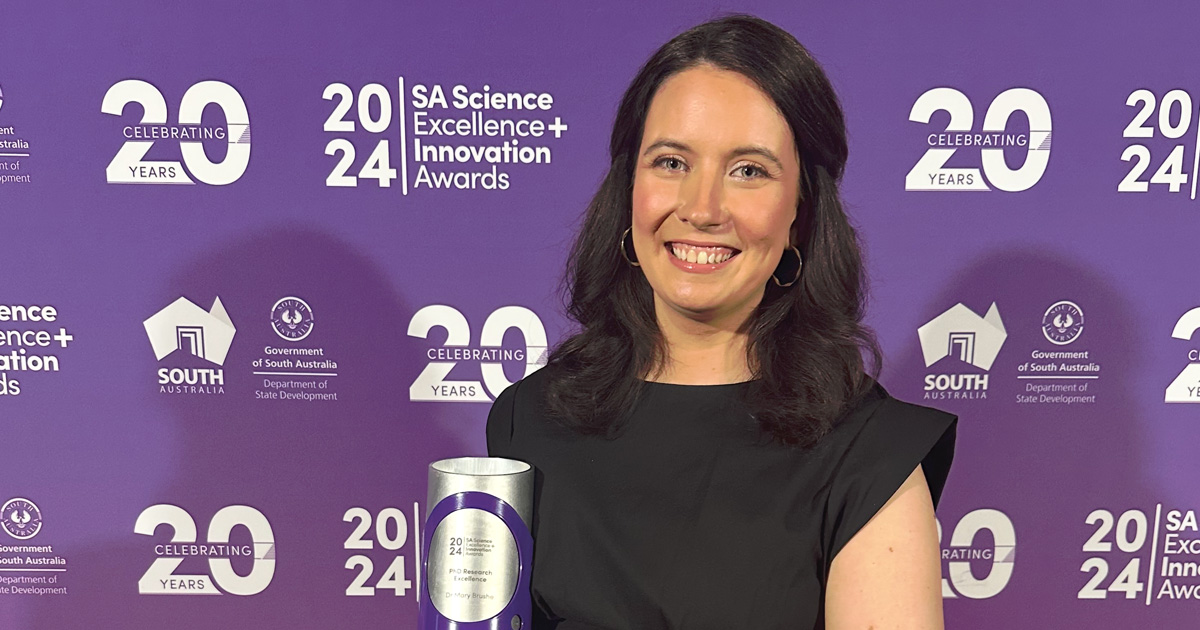
Early childhood researcher wins South Australian science awardAn early childhood researcher based at The Kids Research Institute Australia’s Adelaide office has been honoured at South Australia’s Science Excellence and Innovation Awards for her work revealing the link between screen time exposure and toddlers’ language development.
Research
Adolescent education outcomes and maltreatment: The role of pre-existing adversity, level of child protection involvement, and school attendanceMaltreated children are at high risk for low educational achievement, however few studies have accounted for confounding risk factors that commonly co-occur (including child, family and neighbourhood risk factors) and results have been mixed, particularly for adolescents.
Research
Associations of prenatal alcohol exposure and offspring harmful alcohol use: findings from the Raine StudyEpidemiological evidence suggests offspring exposed to prenatal alcohol are at increased risk of alcohol use disorders in adulthood. The evidence on the risk of developing harmful alcohol use in adolescence is less clear.
Research
Study protocol for a randomised controlled trial evaluating the effect of folic acid supplementation beyond the first trimester on maternal plasma unmetabolised folic acid in late gestationTaking folic acid containing supplements prior to and during early pregnancy reduces the risk of neural tube defects. Neural tube defects occur prior to 28 days postconception, after which, there is no proven benefit of continuing to take folic acid. However, many women continue to take folic acid containing supplements throughout the pregnancy.
Research
Understanding Disclosure Decisions in Parents of Children with Attention Deficit/Hyperactivity DisorderParents of children with attention-deficit/hyperactivity disorder (ADHD) often make disclosure decisions about their child's ADHD on their behalf. While disclosure can facilitate access to support, it risks stigma. Despite ADHD being one of the most common neurodevelopmental conditions, little is known about parent's experiences in relating information about their child's ADHD diagnosis or medication use, to others.