
Search
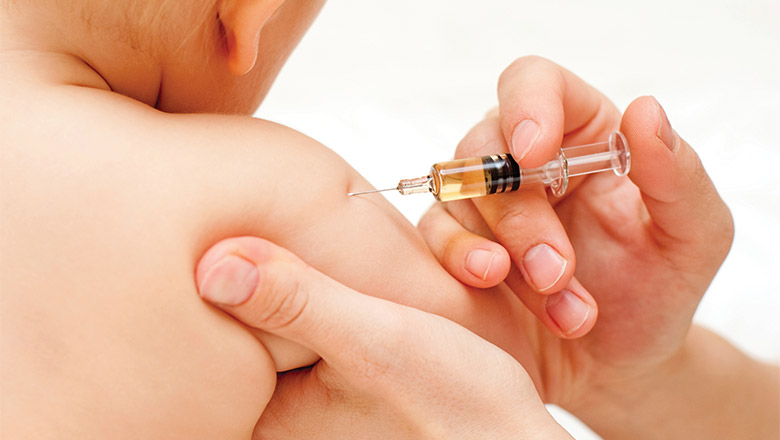
Toddlers will now get an additional whooping cough vaccine to protect them against the potentially deadly disease.

An extra whooping cough vaccination for babies comes as a result of work by researchers at the Wesfarmers Centre of Vaccines and Infectious Diseases.

Research by The Kids Research Institute Australia will soon ensure young children are better protected against whooping cough.
Governments should rethink strategies to prevent whooping cough in newborn infants, including booster vaccination of close contacts of the baby.
Tiny babies could soon have much-needed protection from community transmission of potentially deadly whooping cough thanks to a world-first nasal spray vaccine being trialed at The Kids Research Institute Australia.
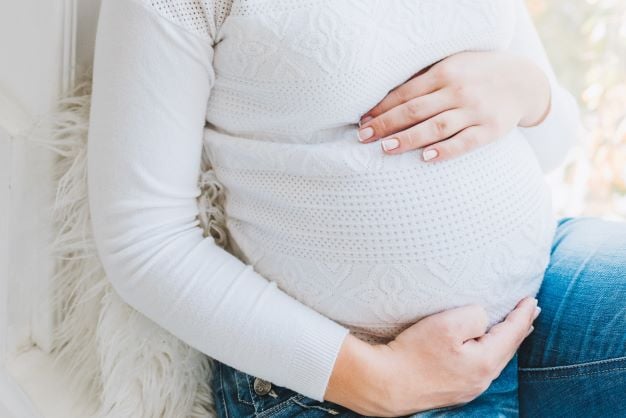
New collaborative research involving almost 600,000 pregnant mothers has demonstrated a dramatic increase in uptake of the whooping cough (pertussis) vaccine after identifying just 22 per cent of WA women had the maternal vaccination between 2012 – 2017.
Ruth Peter Thornton Richmond PhD MBBS MRCP(UK) FRACP Co-head, Bacterial Respiratory Infectious Disease Group (BRIDG) Head, Vaccine Trials Group
The purpose of this double-blind, randomised, controlled trial is to compare allergic outcomes in children following vaccination with acellular pertussis (aP) antigen (standard of care in Australia) given at 2 months of age versus whole cell pertussis (wP) in the infant vaccine schedule.
Evidence suggests that children who had received an initial priming dose of whole-cell pertussis (wP) vaccine, rather than acellular pertussis (aP) vaccine, had a lower risk of developing IgE-mediated food allergy, the most common cause of anaphylaxis-related hospital presentations of childhood.
Immunisation is the most effective way of protecting your child against a range of serious illnesses, including measles, hepatitis B and whooping cough. All vaccines used in Australia undergo stringent testing and ongoing monitoring.