
Search
Showing results for "1"

News & Events
Preparing for school in 2024It's the new school year and by now your child's school should have a copy of their updated Diabetes Management Plan. Adele Connor, Diabetes in

News & Events
Virtual reality diabetesWhen Josh Wulf’s son was diagnosed with Type 1 Diabetes, little did he know that one day he would be helping other T1D families manage the condition.

News & Events
PCH takes lead in Diabetes In Schools programPerth Children’s Hospital will be one of the first hospitals in Australia to deliver critical diabetes training to teachers and school staff as part of a new national Diabetes in Schools program.
News & Events
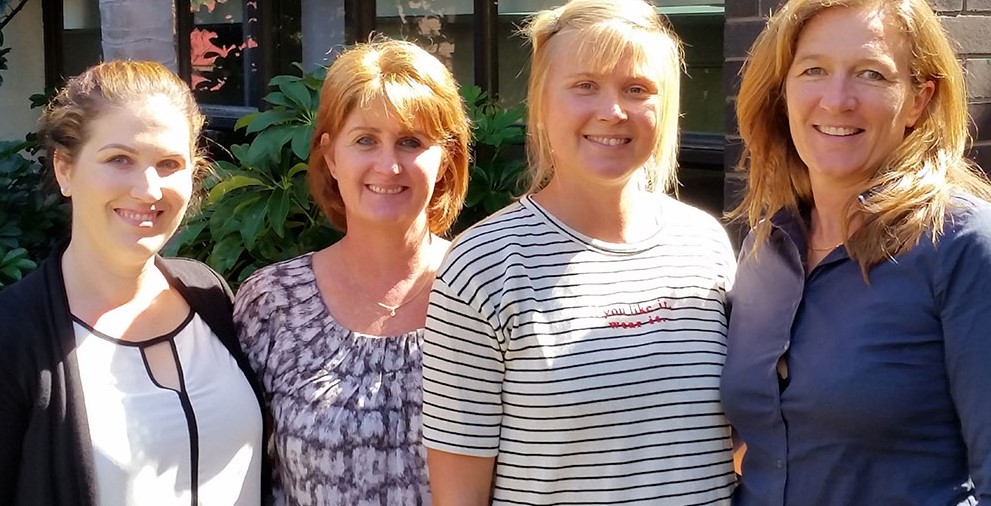
ENDIA milestoneThe ENDIA study — Australia’s largest study into the causes of Type 1 Diabetes— reached a significant milestone when it recruited its 700th patient in Perth.
News & Events
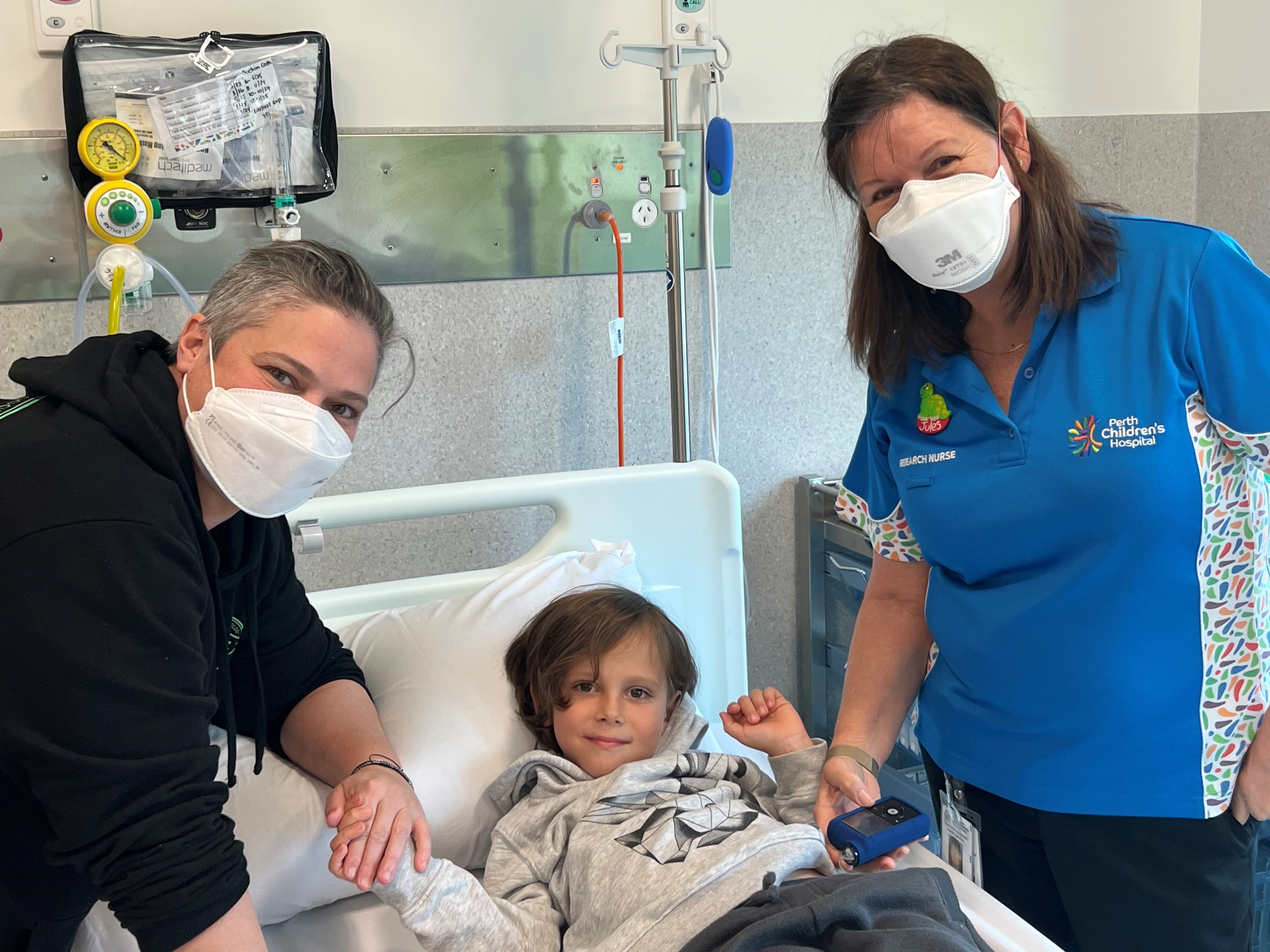
Advanced hybrid closed loop in paediatric population technology studyOur researchers are looking for young children with type 1 diabetes who are using an insulin pump, to take part in the advanced hybrid closed loop in paediatric (HyCLIP) population study.
Research
Prednisolone Versus Dexamethasone for Croup: a Randomized Controlled TrialThe type of oral steroid seems to have no clinically significant impact on efficacy, both acutely and during the week after treatment
Research
Severe hypoglycemia rates are not associated with HbA1c: A cross-sectional analysis of 3 contemporary pediatric diabetes registry databasesTo examine the association between glycated hemoglobin (HbA1c) and severe hypoglycemia rates in patients with type 1 diabetes receiving usual care.
Research
Value of serology in predicting Pseudomonas aeruginosa infection in young children with cystic fibrosiserology, predicting, Pseudomonas aeruginosa infection, young children, cystic fibrosis

News & Events
The diabetes trial changing livesSeventeen-year-old Andrew says he has a better handle on managing his type 1 diabetes since taking part in an at-home research trial involving a sophisticated new pump system. Watch Andrew, his mum Leeanne and The Kids researcher Professor Tim Jones discuss the trial on Today Tonight.
Research
Association between male genital anomalies and adult male reproductive disorders: a population-based data linkage study spanning more than 40 yearsUndescended testes is associated with an increased risk of testicular cancer and male infertility, and decreased paternity