
Search
Showing results for "rett"
Research
Variation over time in medical conditions and health service utilization of children with Down syndromeVariation over time in medical conditions and health service utilization of children with Down syndrome.
News & Events
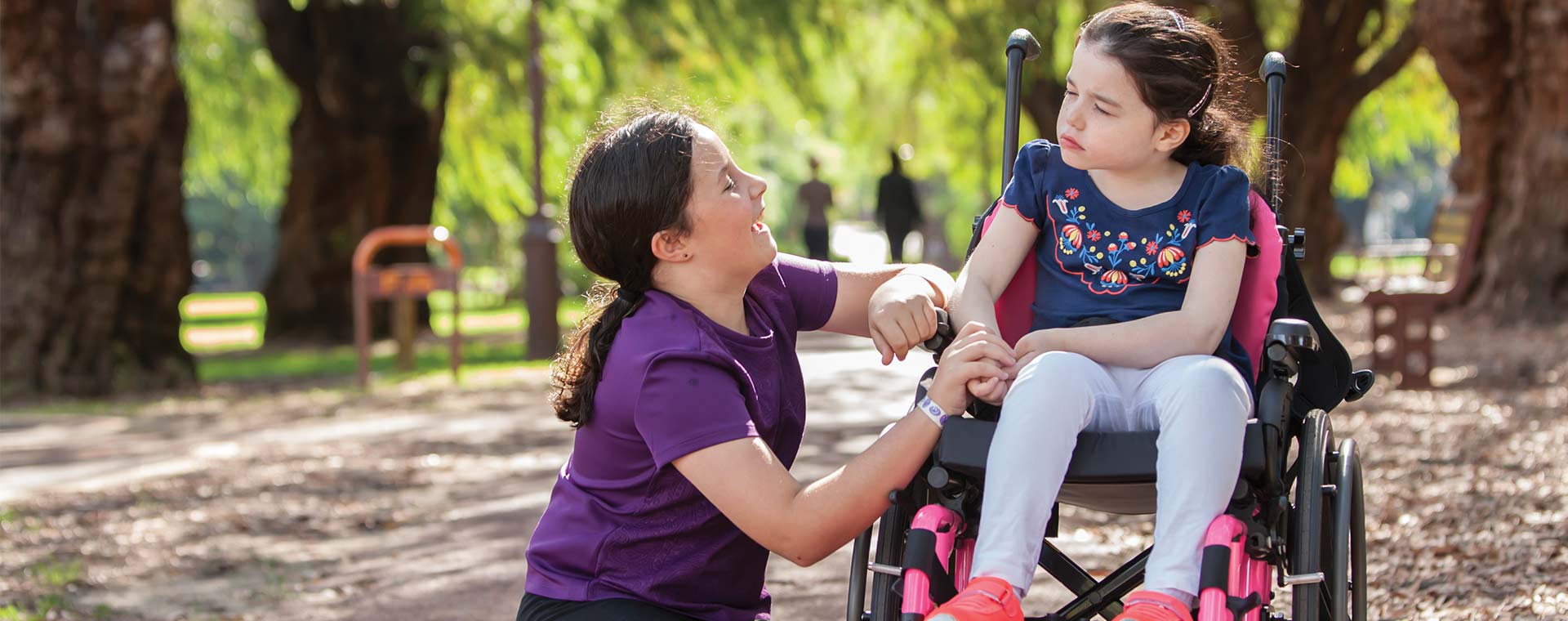
Maths & making a differenceFor Perth researcher Ami Bebbington, mathematics is a vital tool in her personal and professional quest to improve the lives of children everywhere.
Research
The development, content and response process validation of a caregiver-reported severity measure for CDKL5 deficiency disorderCDKL5 Deficiency Disorder (CDD) is a severe X-linked developmental and epileptic encephalopathy. Existing developmental outcome measures have floor effects and cannot capture incremental changes in symptoms. We modified the caregiver portion of a CDD clinical severity assessment (CCSA) and assessed content and response-process validity.
Research
Functioning, participation, and quality of life in children with intellectual disability: an observational studyTo investigate associations between functioning, community participation, and quality of life (QoL) and identify whether participation mediates the effects of functioning on QoL.
Research
The contributions of fetal growth restriction and gestational age to developmental outcomes at 12 months of age: A cohort studyDevelopmental assessment of infants with fetal growth restriction was mostly comparable to those born without fetal growth restriction at 12 months
One of the many reasons for setting up the International CDKL5 Disorder Database was to learn more about this condition.
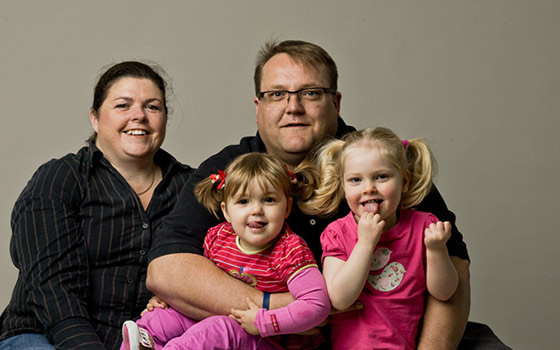
While individual diseases are rare, as a group, rare diseases are common. Recent estimates suggest that between 3% and 6% of the world’s population are affected by rare disease.
Research
An investigation of the determinants of quality of life in adolescents and young adults with Down syndromeQuality of life of young people with Down syndrome was most negatively associated with burden of medical conditions, but also with lack of friendships
Research
Septo-optic dysplasia and gastroschisis: trends in birth prevalence and association with maternal ageThis study aims to describe the risk factors and trends in birth prevalence of septo-optic dysplasia (SOD) and gastroschisis between 1980 and 2023. This descriptive, population-based study of SOD and gastroschisis used Western Australian Register of Developmental Anomalies data from 1980 to 2023. Birth prevalence was calculated using Midwives Notification System data for all births after 20 weeks gestation.
Research
What does better look like in individuals with severe neurodevelopmental impairments? A qualitative descriptive study on SCN2A-related developmental and epileptic encephalopathyThere are limited psychometric data on outcome measures for children with Developmental Epileptic Encephalopathies (DEEs), beyond measuring seizures, and no data to describe meaningful change. This study aimed to explore parent perceptions of important differences in functional abilities that would guide their participation in clinical trials.