Search
News & Events
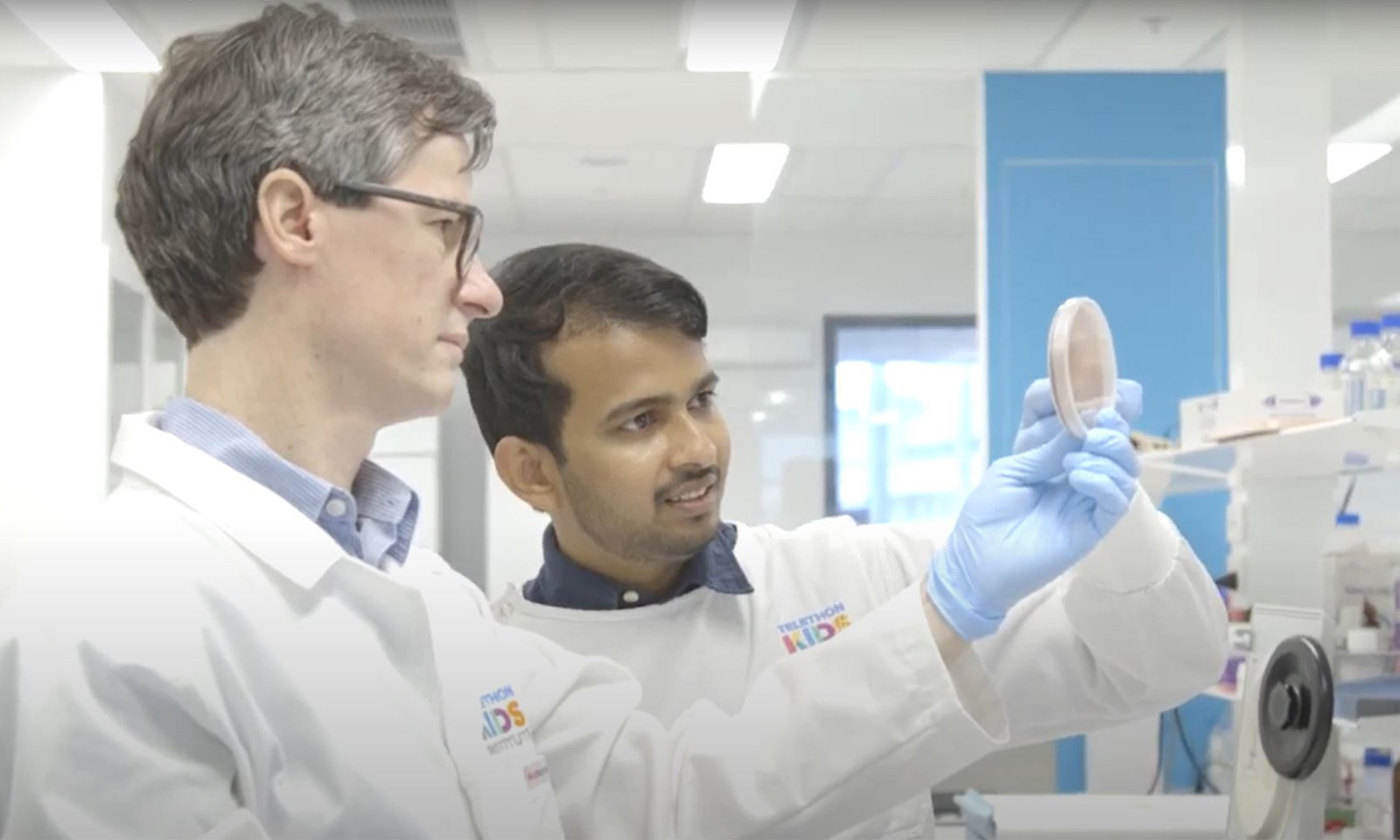
The Kids Research Institute Australia researchers discover new form of antimicrobial resistanceAustralian researchers have uncovered a new form of antimicrobial resistance (AMR) – undetectable using traditional laboratory testing methods – in a discovery set to challenge existing efforts to monitor and tackle one of the world’s greatest health threats.
News & Events
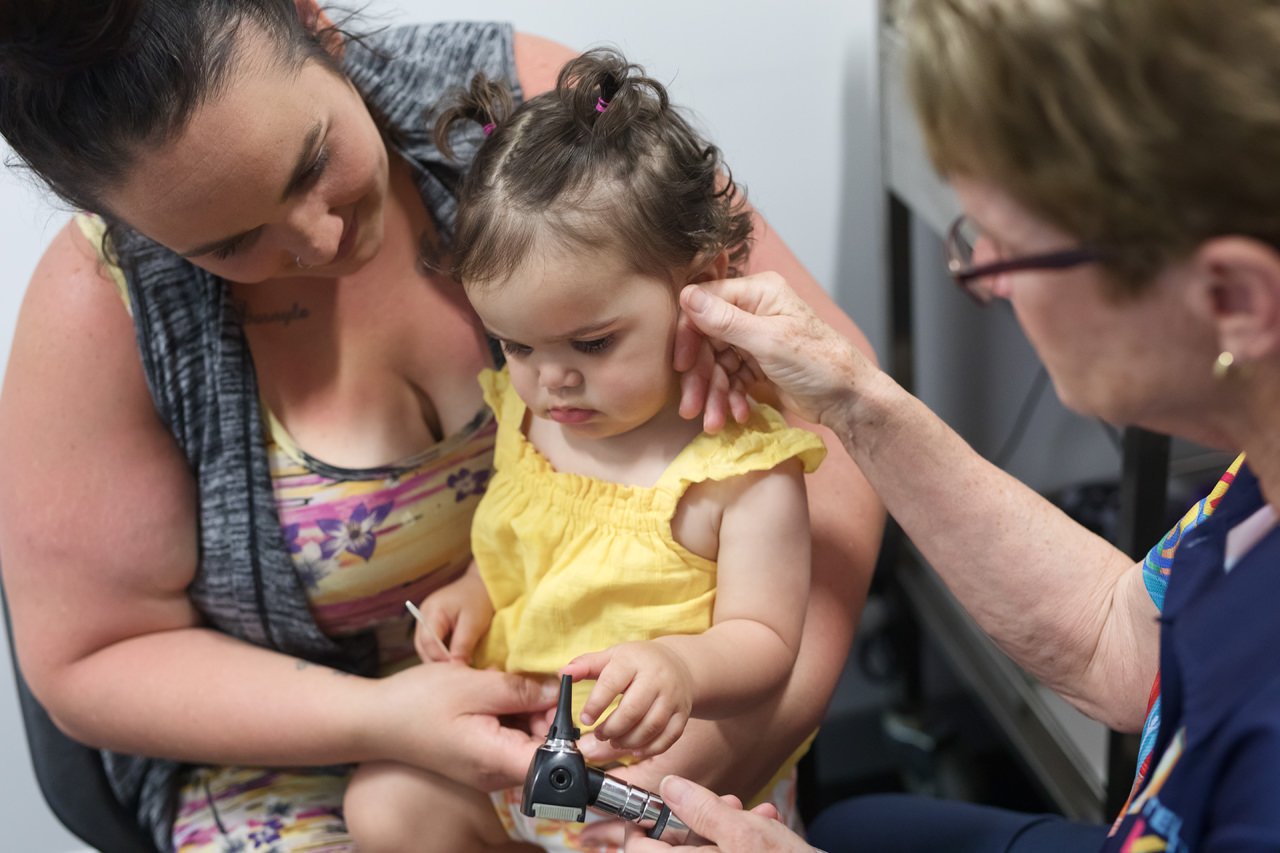
Australian-first study set to unveil major impact of ear disease on Aboriginal childrenResearchers from The Kids Research Institute Australia have been awarded a $1.1 million NHMRC ‘Targeted Call for Hearing Health’ grant to conduct the first ever study following Aboriginal babies from birth through to five years to uncover the true prevalence of middle ear infections and hearing loss.
Research
Causal Impact of Physical Activity on Child Health and DevelopmentThe relationship between physical activity and child health and development is well-documented, yet the extant literature provides limited causal insight into the amount of physical activity considered optimal for improving any given health or developmental outcome.
Research
Can positive mindsets be protective against stress and isolation experienced during the covid-19 pandemic? A mixed methods approach to understanding emotional health and wellbeing needs of perinatal womenThe aim of this study was to explore the relationship between emotional health and wellbeing and support needs of perinatal women during the COVID-19 pandemic, and to understand their experiences and need for support. This is a potentially vulnerable group and a critical developmental phase for women and infants.
Research
Cellulitis in children: A retrospective single centre study from AustraliaTo characterise the epidemiology, clinical features and treatment of paediatric cellulitis. Methods A retrospective study of children presenting to a paediatric tertiary hospital in Western Australia, Australia in 2018.
Research
Brief Report: Facial Asymmetry and Autistic-Like Traits in the General PopulationAtypical facial morphology, particularly increased facial asymmetry, has been identified in some individuals with Autism Spectrum Conditions (ASC). Many cognitive, behavioural and biological features associated with ASC also occur on a continuum in the general population.
Research
Factors associated with dental hospitalisations in children with intellectual disability or autism spectrum disorder: a Western Australian population-based retrospective cohort studyThis study investigated dental hospitalisations in Western Australian (WA) children with intellectual disability (ID) and/or autism spectrum disorder (ASD) aged up to 18 years.
Research
Expression of CYP24A1 and other multiple sclerosis risk genes in peripheral blood indicates response to vitamin D in homeostatic and inflammatory conditionsAlthough genetic and epidemiological evidence indicates vitamin D insufficiency contributes to multiple sclerosis (MS), and serum levels of vitamin D increase on treatment with cholecalciferol, recent metanalyses indicate that this vitamin D form does not ameliorate disease. Genetic variation in genes regulating vitamin D, and regulated by vitamin D, affect MS risk.
Research
Childhood vaccination coverage in Australia: an equity perspectiveThis study describes trends in social inequities in first dose measles-mumps-rubella (MMR1) vaccination coverage in Western Australia (WA) and New South Wales (NSW).
Research
Editorial overview: The physiology of the diseased lungAlexander Larcombe BScEnv (Hons) PhD Honorary Research Fellow Honorary Research Fellow Associate Professor Alexander Larcombe began work at The Kids