
Search
Showing results for "1"
Research
The anti-inflammatory effects of interleukin-4 are not mediated by suppressor of cytokine signalling-1 (SOCS1)While it is known that the anti-inflammatory effects of interleukin (IL)-4 require new protein synthesis, the exact mechanisms by which IL-4 suppresses the prod
Research
The importance of environment on respiratory genotype/phenotype relationships in the InuitThis study aimed to investigate the effects of different macro-environments on asthma genotype-phenotype associations in 2 geographically separated populations

News & Events
Watch the video of our community lectureOne of the 50 most influential scientists in the world today, Professor Leroy Hood, delivered The Kids Research Institute Australia Community Lecture on Tue December 1st.
Read about the research fellows at the Children's Diabetes Centre, Martin de Bock, Aveni Hayes, Ashleigh Lin and Marie-Anne Burckhardt.

News & Events
Consumer Representative Spotlight - Duncan ReadConsumer Representative Spotlight - Duncan Read
Research
Using continuous glucose monitoring to detect early dysglycaemia in children participating in the ENDIA study (Sub Protocol)Aveni Liz Haynes Davis BA (Hons), MBBChir, MA (Cantab), PhD MBBS FRACP PhD Principal Research Fellow Co-director of Children’s Diabetes Centre
Research
An observational study of antibody responses to a primary or subsequent pertussis booster vaccination in Australian healthcare workersAdult pertussis vaccination is increasingly recommended to control pertussis in the community. However, there is little data on the duration and kinetics of immunity to pertussis boosters in adults. We compared IgG responses to vaccination with a tetanus, low-dose diphtheria, low-dose acellular pertussis (Tdap) booster at 1 week, 1 month and 1 year post-vaccination in whole-cell (wP)-primed Australian paediatric healthcare workers who had received an adult Tdap booster 5-12 years previously, to those who received their first Tdap booster. Tdap vaccination was well tolerated in both groups.
Research
An observational study of antibody responses to a primary or subsequent pertussis booster vaccination in Australian healthcare workersAdult pertussis vaccination is increasingly recommended to control pertussis in the community. However, there is little data on the duration and kinetics of immunity to pertussis boosters in adults. We compared IgG responses to vaccination with a tetanus, low-dose diphtheria, low-dose acellular pertussis (Tdap) booster at 1 week, 1 month and 1 year post-vaccination in whole-cell (wP)-primed Australian paediatric healthcare workers who had received an adult Tdap booster 5-12 years previously, to those who received their first Tdap booster.
News & Events
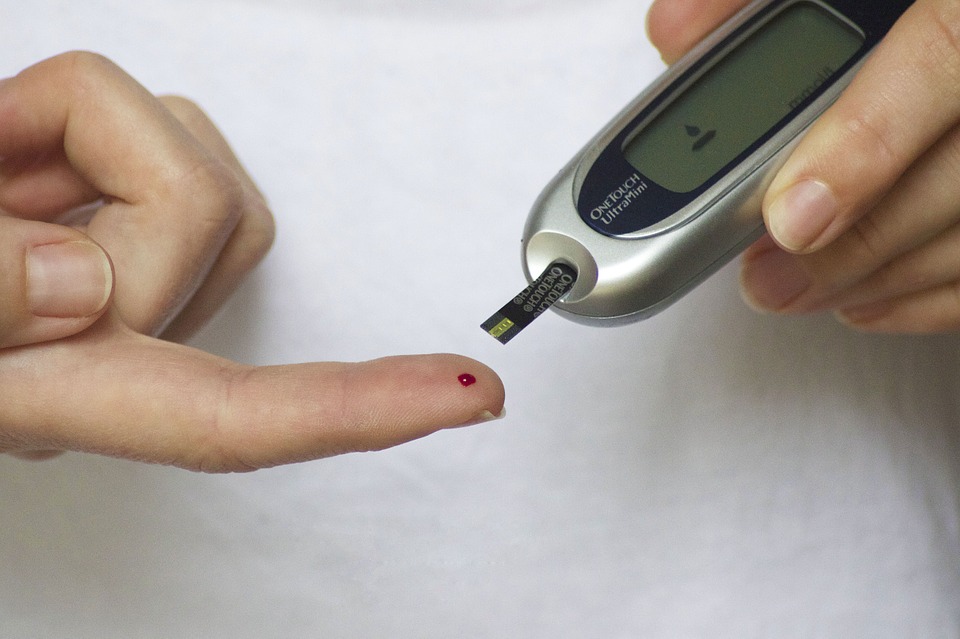
Cholesterol and blood pressure drugs help teens with diabetesResearchers from the Children’s Diabetes Centre have had a lead role in a global adolescent Type 1 Diabetes study.
News & Events
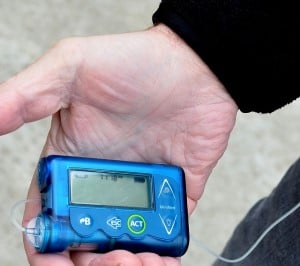
Latitudinal gradient in childhood diabetesNew research from Perth's The Kids Research Institute Australia has shown the local relevance of a worldwide pattern of increased risk of childhood type 1 diabetes.