
Search
Showing results for "early lung health"
Research
T-cell activation genes differentially expressed at birth in CD4+ T-cells from children who develop IgE food allergyTo show underlying mechanisms, we examined differences in T-cell gene expression in samples at birth and at 1 year in children with and without IgE allergy.
Research
Biodiesel exhaust-induced cytotoxicity and proinflammatory mediator production in human airway epithelial cellsOur results show that canola biodiesel exhaust exposure elicits inflammation and reduces viability of human epithelial cell cultures in vitro when compared...
Research
Interobserver Agreement When Diagnosing Hypoventilation in Children With Neuromuscular DisordersNeuromuscular disorders can lead to nocturnal hypoventilation. Accurate diagnosis of hypoventilation is imperative to guide treatment decisions. This study determined interobserver agreement for a number of definitions of nocturnal hypoventilation in children and adolescents with neuromuscular disorders.
Research
Efficacy of oral amoxicillin-clavulanate or azithromycin for non-severe respiratory exacerbations in children with bronchiectasis (BEST-1)Amoxicillin-clavulanate treatment is beneficial in terms of resolution of non-severe exacerbations of bronchiectasis in children
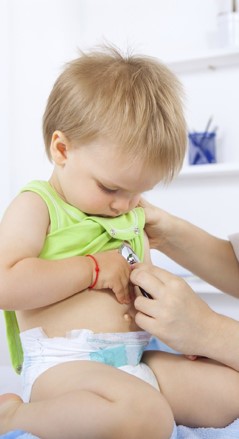
Developmental Origins of Health and Disease
Research
Perioperative steroid prophylaxis for adrenal insufficiency, a single-centre experienceBritta Regli-von Ungern-Sternberg AM FAHMS MD, PhD, DEAA, FANZA Chair of Paediatric anaesthesia, University of Western Australia; Consultant
The Wesfarmers Centre is pleased to announce the successful applications for the 2016 Round 2 Wesfarmers Centre Seed Funding.

The lungs represent a key interface between the body and the environment.

People
Professor Britta Regli-von Ungern-Sternberg AM FAHMSChair of Paediatric anaesthesia, University of Western Australia; Consultant Paediatric Anaesthetist, Perth Children’s Hospital; Head, Perioperative Medicine
Research
Respiratory Health Effects of In Vivo Sub-Chronic Diesel and Biodiesel Exhaust ExposureBiodiesel, which can be made from a variety of natural oils, is currently promoted as a sustainable, healthier replacement for commercial mineral diesel despite little experimental data supporting this. The aim of our research was to investigate the health impacts of exposure to exhaust generated by the combustion of diesel and two different biodiesels.