
Search
Research
Toll-like receptor 2 ligands inhibit Th2 responses to mite allergenThere is intense interest in the interaction between microbial compounds and allergy.
Research
Immunogenicity and boosting following a reduced number of doses of a Pneumococcal Conjugate Vaccine in infants and toddlersThe minimum number of doses of pneumococcal conjugate vaccine required for protection is not known. We studied the immunogenicity of a reduced schedule in...
Research
The association between behaviour and genotype in Rett Syndrome using the Australian Rett Syndrome DatabaseThis study compared the behavior profile of cases in the Australian Rett Syndrome Database (ARSD) with those in a British study using the Rett Syndrome...
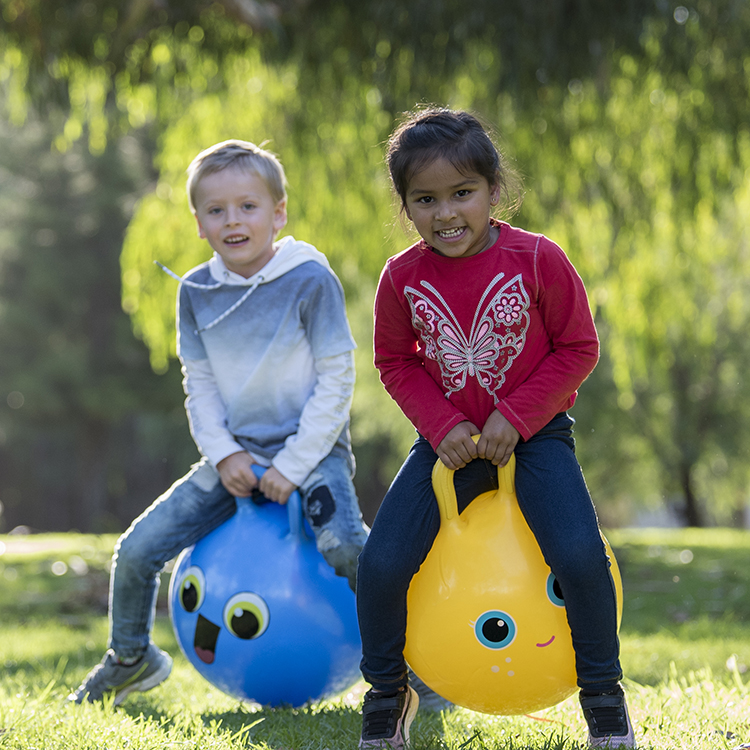
The Children’s Respiratory Science group’s research has an emphasis on mechanisms of respiratory health in children including those that predict and underpin acute viral respiratory infections in children.
Research
Bioenteric Intragastric BalloonThe purpose of this randomized clinical trial is to determine whether the use of the BIB aids weight loss in obese adolescents.
News & Events
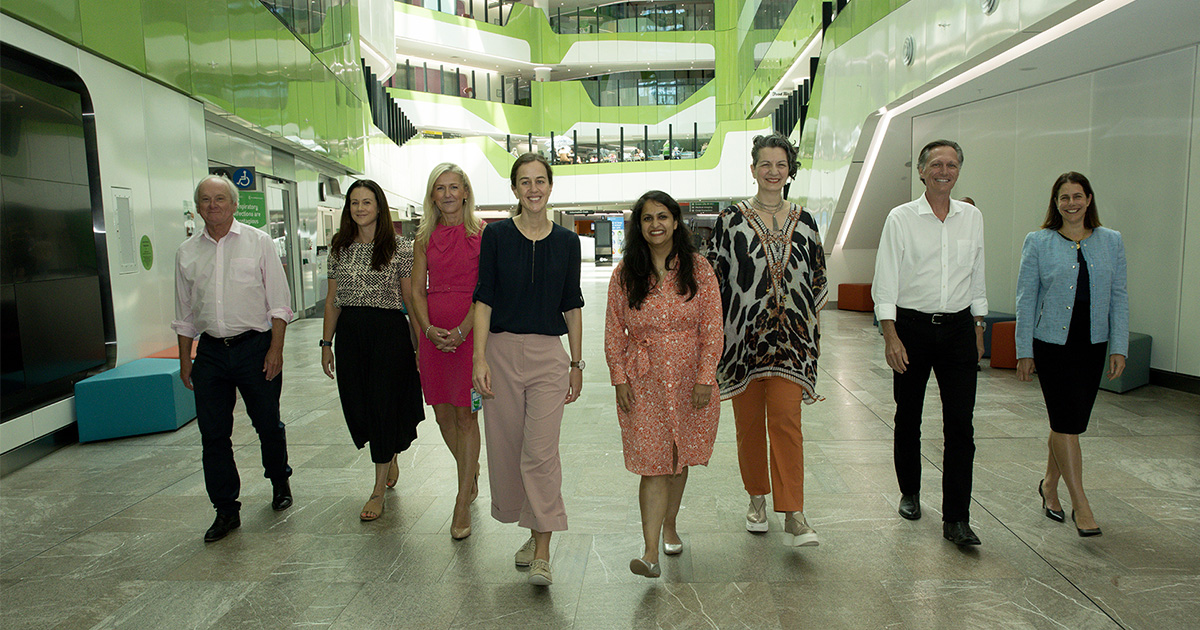
PhD pathway program ensuring bright future for clinical research in WATwo outstanding Perth Children’s Hospital clinicians will be supported to pursue a career in medical research, paving the way for more clinician-scientists in Western Australia.
News & Events
We're looking for a Director, Strategy and Innovation to join our executive teamWe currently have an exciting opportunity for a Director, Strategy and Innovation to join The Kids Research Institute Australia in Perth, WA.
News & Events
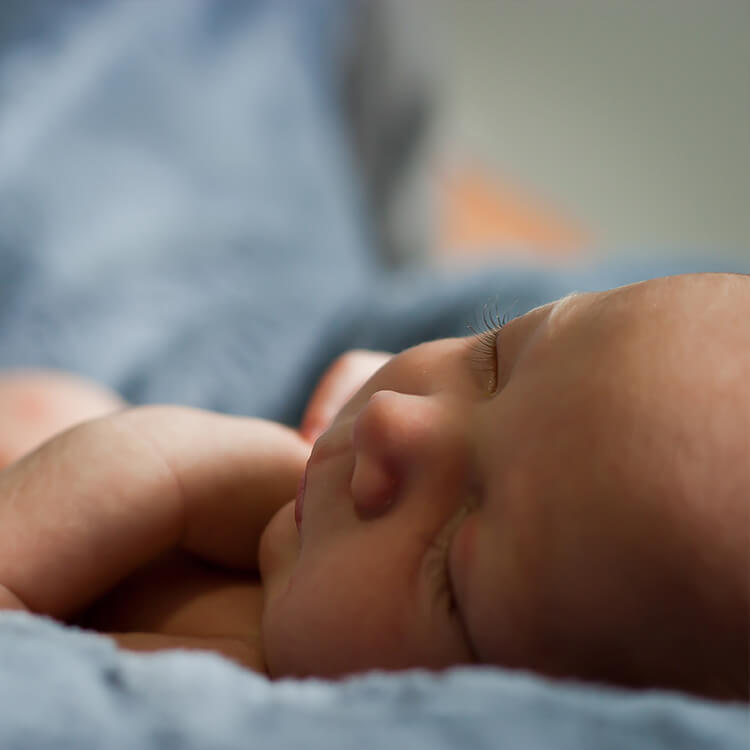
Intubation study points the way to safer surgery in babiesPerth researchers who were involved in an international study which examined two different techniques used to intubate newborns and young babies during surgery expect the findings to lead to a change in global practice.
News & Events
Improving health access for children and families living with intellectual disabilityA project led by The Kids Research Institute Australia’s child disability team will seek to reduce potentially preventable hospitalisations and build health literacy for children and young people with intellectual disability.
News & Events
Trailblazing Aboriginal mental health researcher to attend Queen’s funeralPioneering Aboriginal psychiatrist, mental health champion and Western Australia’s 2021 Australian of the Year Professor Helen Milroy is among 10 ‘everyday Australians’ who will accompany Prime Minister Anthony Albanese and Governor General David Hurley to the funeral of the late Queen Elizabeth II.