
Search
News & Events
Wesfarmers tops 2019 GivingLarge ReportThe major funder of the Wesfarmers Centre of Vaccines and Infectious Diseases based at The Kids Research Institute Australia has been recognised as Australia’s most generous giver.
News & Events
Churchill Fellow to explore how other countries get kids back to schoolThe Kids Research Institute Australia researcher Dr Kirsten Hancock will use a prestigious Churchill Fellowship to investigate how other countries handle school absenteeism.
News & Events
Iconic partnership to bolster parents in cyber safety battleBankwest and The Kids Research Institute Australia have announced a new partnership, bringing together two iconic Western Australian organisations to support parents in their cyber safety battle.
News & Events
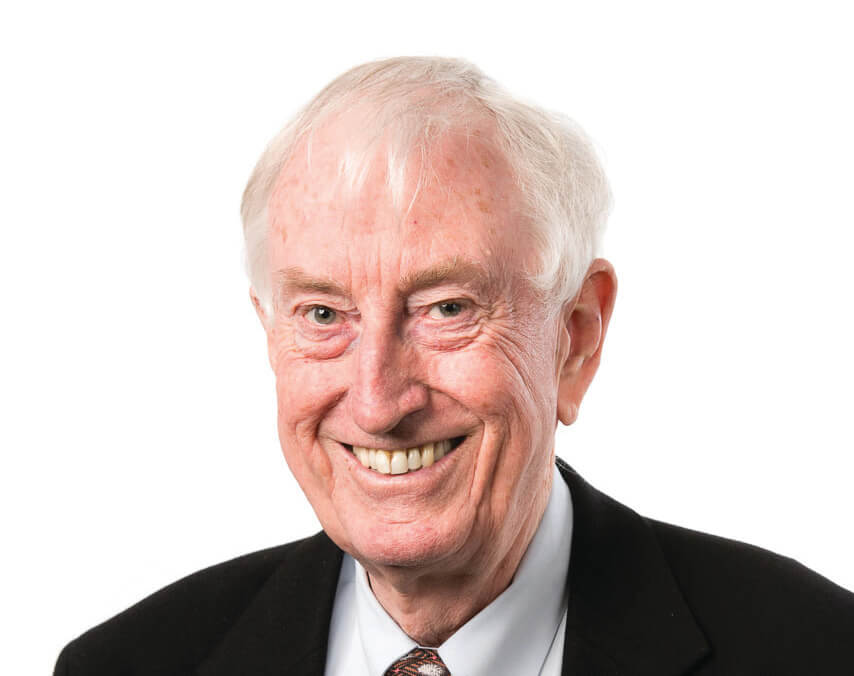
The Kids welcomes Australian Nobel Laureate for prestigious lectureThe Kids is delighted to have Australian Nobel Laureate and former Australian of the Year Professor Peter C Doherty AC deliver The Governor’s Lecture.

News & Events
New app for parents develops kids’ essential life skillsA new app utilising ground breaking research into the early years will assist parents and carers develop their child’s life skills while going about their daily routines.

News & Events
New ten-year action plan on FASD provides welcome supportResearchers into fetal alcohol spectrum disorder (FASD) have welcomed the Federal Government’s announcement of a ten-year national action plan that will drive efforts to reduce the impact of FASD on individuals, families and communities.
News & Events
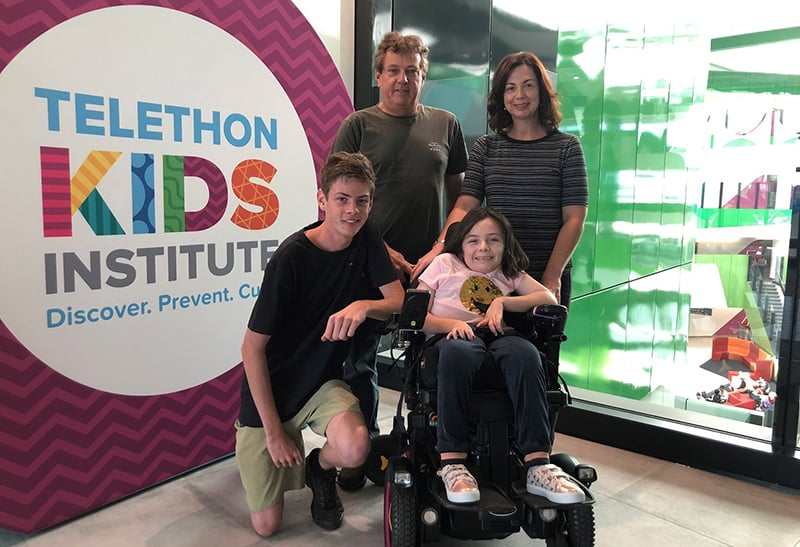
The Kids study hopes to help kids with neuromuscular disorders sleep more easilyMackenzie was 10 months old when her parents, Jodie and Scott, were given the life-changing news that their daughter would never walk.
News & Events
Australia’s first regenerative and genetic medicine program for children’s lung diseaseA new program that uses cutting edge stem cell techniques to repair lung damage in children will be established at The Kids Research Institute Australia with support from the Telethon-Perth Children’s Hospital Research Fund (TPCHRF).
News & Events
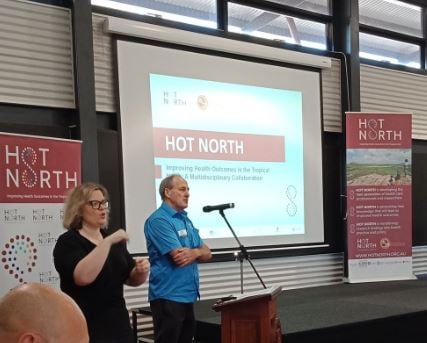
Expert researchers converge on Broome to tackle health challenges in Northern AustraliaOver 100 researchers and health professionals from around Australia have united in Broome this week to address the major health battles facing people living in the tropical north of the country.
News & Events
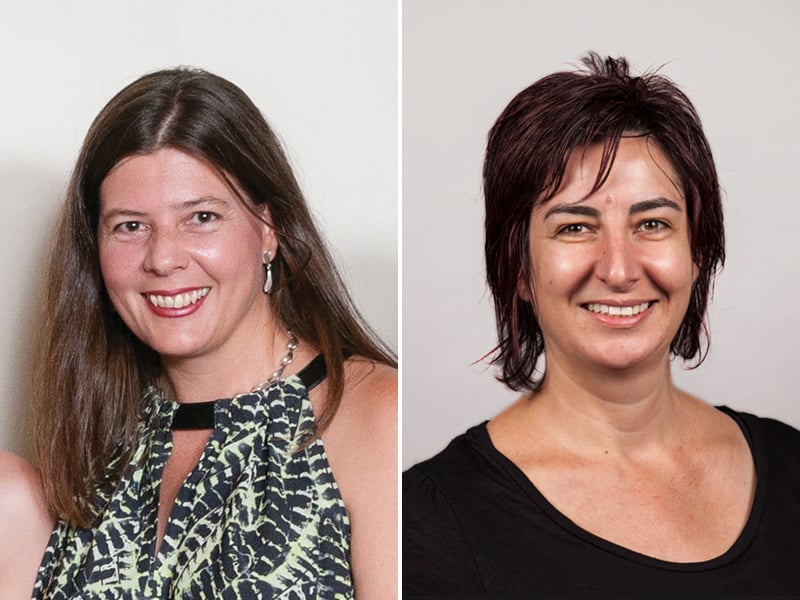
NHMRC grants to benefit vulnerable and disadvantaged children and young peopleTwo leading The Kids Research Institute Australia researchers will use more than $1.1 million in National Health and Medical Research Council funding to improve outcomes for some of the world’s most vulnerable children and young people.