
Search
Showing results for "autism"

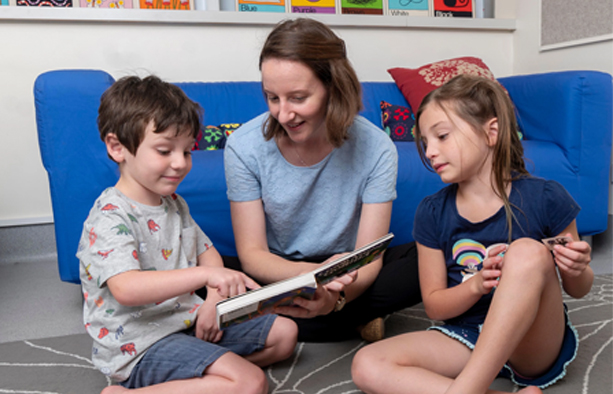
At CliniKids, we offer group or individual support for siblings of autistic children.
Research
Family Functioning in Families with a Child with Down syndrome: A Mixed Methods ApproachFamily Functioning in Families with a Child with Down syndrome: A Mixed Methods Approach...
Research
Leisure participation for school-aged children with Down syndromeLeisure participation for school-aged children with Down syndrome.
Research
The Brain Basis of Comorbidity in Neurodevelopmental DisordersThis review discusses early brain development and the etiological factors that may give rise to atypical developmental trajectories, along with neuroimaging insights
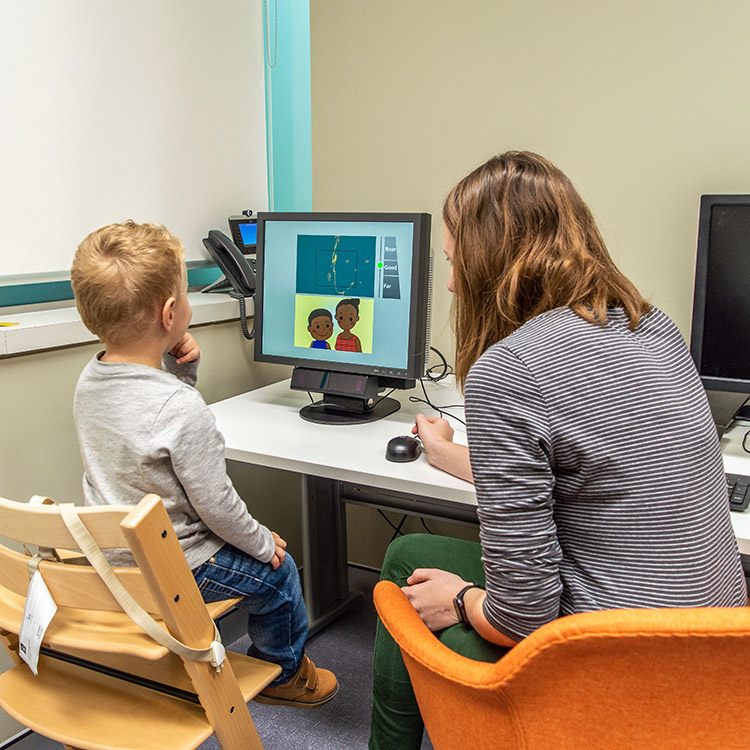
Our families have the opportunity to be involved in autism research conducted at CliniKids.
Research
The Engage Study: discovering and delighting in your baby - a pilot studyAndrew Desiree Gail Kandice Videos Whitehouse Watch and listen to Andrew Silva Alvares Varcin PhD MBBS, FRACP, MPH, PhD PhD M.Psych (Clinical), PhD
News & Events
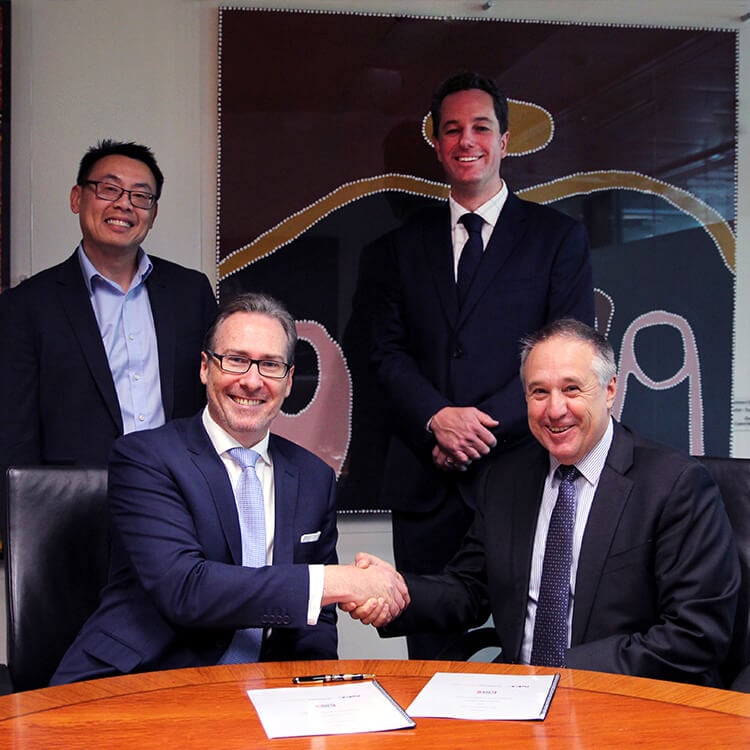
The Kids Researchers to explore NEC Artificial Intelligence technologies for new medical diagnostic toolsThe Kids has signed an MoU with leading technology developer NEC Australia to explore opportunities to apply NEC’s AI technologies in our medical research.
News & Events
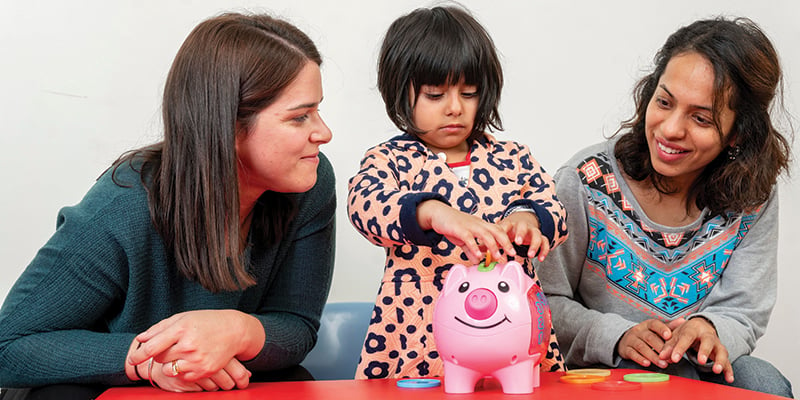
Unique CliniKids a marriage of research and practiceA unique new model developed by the The Kids autism research team marries cutting-edge research with clinical practice to offer families innovative, evidence-based interventions designed to help kids reach their full potential.