
Skip to content

Search

A community-led, trauma-informed psychosocial intervention to improve health outcomes of children and young people with Type-1 diabetes

T1D can be a traumatic diagnosis for children and young people, and often involves strict adherence to painful treatments, comorbid mental health conditions, and shortened life expectancy.

DiabHQ

The DiabHQ Patient Portal app is now available to WA children and families living with Type 1 diabetes.

Acute hyperglycaemia does not have a consistent adverse effect on exercise performance in recreationally active young people with type 1 diabetes: a randomised crossover in-clinic study

In individuals with type 1 diabetes, chronic hyperglycaemia impairs aerobic fitness. However, the effect of acute marked hyperglycaemia on aerobic fitness is unclear, and the impact of insulin level has not been examined. In this study, we explored if acute hyperglycaemia with higher or low insulin levels affects [Formula: see text] and other exercise performance indicators in individuals with type 1 diabetes.

Handing over the reins: letting teens take charge

"This system definitely helped with my diabetes management, especially overnight, and helped to keep my blood sugars as stable as possible which was fantastic,"

Local researchers lead biggest ‘artificial pancreas’ outpatient study

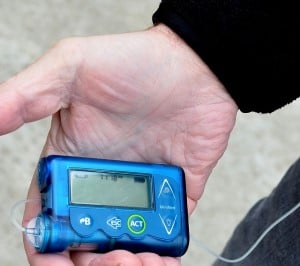
The Children’s Diabetes Centre at The Kids Research Institute Australia is leading the longest and largest at-home trial of a hybrid closed-loop insulin pump system.

Child health research made possible through Telethon’s support

The generous support of Western Australians through Channel 7’s Telethon is helping to fund life-changing child health research, with two The Kids Research Institute Australia researchers awarded significant grants.

The use of automated insulin delivery around physical activity and exercise in type 1 diabetes: a position statement of EASD and ISPAD

Regular physical activity and exercise (PA) are cornerstones of diabetes care for individuals with type 1 diabetes. In recent years, the availability of automated insulin delivery (AID) systems has improved the ability of people with type 1 diabetes to achieve the recommended glucose target ranges. PA provide additional health benefits but can cause glucose fluctuations, which challenges current AID systems.

Real-world glycaemic outcomes in children and young people on advanced hybrid closed-loop therapy: A population-based study in Western Australia

To evaluate real-world glycaemic outcomes in children with type 1 diabetes commencing advanced hybrid closed loop therapy and to explore these outcomes based on the cohort's clinical and socioeconomic characteristics.

Disparities in Diabetes Technology Uptake in Youth and Young Adults With Type 1 Diabetes: A Global Perspective

Globally, nearly 9 million people are living with type 1 diabetes (T1D). Although the incidence of T1D is not affected by socioeconomic status, the development of complications and limited access to modern therapy is overrepresented in vulnerable populations. Diabetes technology, specifically continuous glucose monitoring and automated insulin delivery systems, are considered the gold standard for management of T1D, yet access to these technologies varies widely across countries and regions, and varies widely even within high-income countries.

Six months of hybrid closed-loop therapy improves diabetes-specific positive well-being, and reduces diabetes distress and fear of hypoglycemia: secondary analysis of a controlled trial

This analysis aimed to investigate diabetes-specific psychological outcomes among adults with type 1 diabetes (T1D) using hybrid closed-loop (HCL) versus standard therapy.