
Search
Showing results for "early lung health"

News & Events
The Kids Research Institute Australia research projects supported with WA Near-miss Awards14 important The Kids Research Institute Australia research projects have received support under the inaugural WA Near-miss Awards (WANMA) funding program.
Research
Vulnerable from the first breath - epithelial dysfunction and respiratory outcomes in childrenWe have been studying the importance of the epithelial cells lining the airways in the nose and lungs.
News & Events
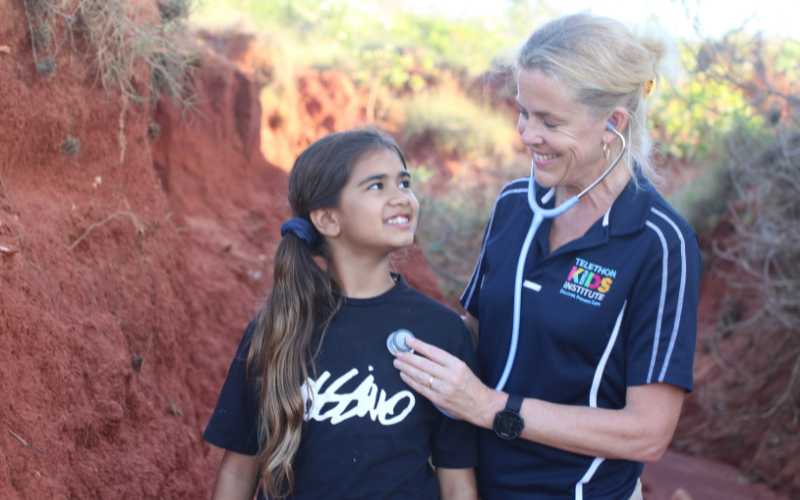
New trial aims to nip chronic lung disease in the bud for First Nations kidsWA researchers will use a $1.97 million Medical Research Future Fund grant to develop a strategy for better follow-up of First Nations children after they’ve been hospitalised for respiratory infections, in a bid to halt the slide into more severe lung disease.
The Imogen Miranda Suleski Fellowship is an annual award for early-career post-doctoral researchers at The Kids Research Institute Australia.
Research
Protection against maternal infection-associated fetal growth restriction: Proof-of-concept with a microbial-derived immunomodulatorThis study suggests that broad-spectrum protection-of-pregnancy against infection-associated inflammatory stress represents an achievable therapeutic goal
News & Events
Find out more about our brand new Showcase ProjectsOur showcase projects are a demonstration of how we at The Kids Research Institute Australia are committed to a new way of working.
Research
Genome-wide association analysis identifies 11 risk variants associated with the asthma with hay fever phenotypePrevious analyses of family data from the Tasmanian Longitudinal Health Study provide evidence that this phenotype has a stronger genetic cause than asthma...
Research
Increased allergic immune response to Sarcoptes scabiei antigens in crusted versus ordinary scabiesScabies, a parasitic skin infestation by the burrowing "itch" mite Sarcoptes scabiei, causes significant health problems for children and adults worldwide.
News & Events
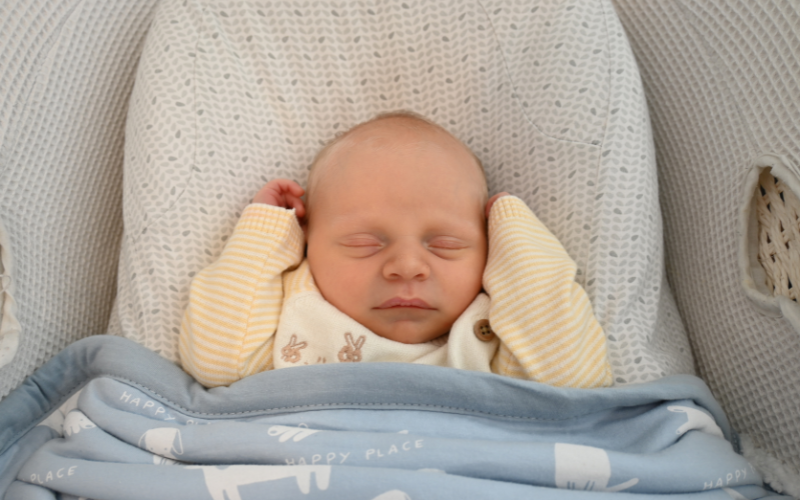
AERIAL allergy and asthma study celebrates recruitment of final babyThe AERIAL study, in partnership with The ORIGINS Project, endeavours to understand if exposures during pregnancy and early life can affect the cells lining the airways in newborns, and whether this is associated with the development of wheeze, allergy and asthma later in childhood.
Research
Information overload and parental perspectives on information provided to parents/carers of paediatric patients undergoing elective surgical proceduresWhen parents are expected to play a significant role in the management of their children's health perioperatively, information overload for parents could have particularly detrimental consequences. Our study investigated information communication and overload in 380 parents of children undergoing any elective surgical procedure at our institution.