
General practitioners (GPs) have a key role in supporting young people who present with suicidal behaviour/self-harm. However, little is known about…
It is plausible that offspring born to mothers using tobacco during pregnancy may have increased risk of mood disorders (depression and bipolar disor…
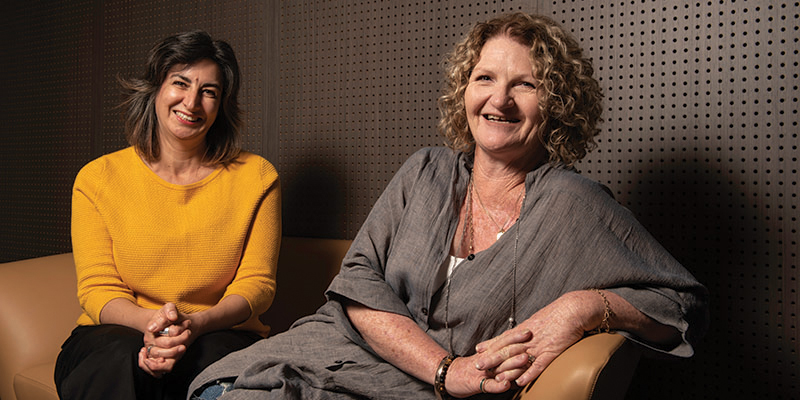
Embrace – a new research collaboration based at The Kids – will bring a new focus to understanding and improving the mental health of children and yo…
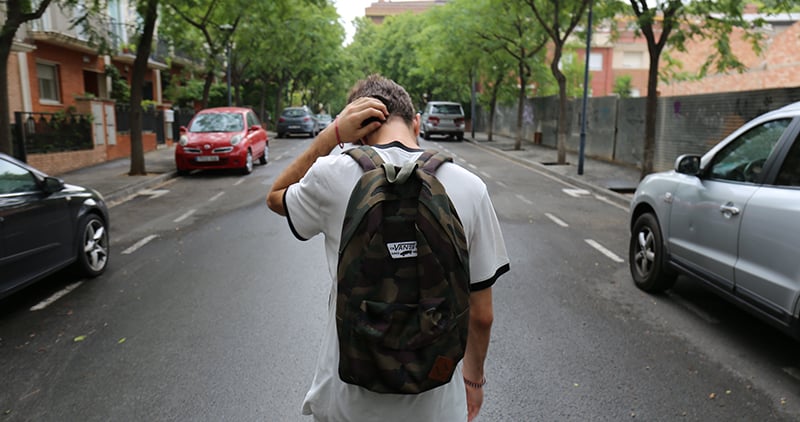
While depression and anxiety can have similar signs and symptoms, they also have some distinct features.

Are you a young person (14-25 years old) who is Aboriginal and/or Torres Strait Islander and LGBTIQ?
This project aims to inform harm prevention and minimisation strategies by investigating outcomes and points for early intervention in young people w…
This project uses longitudinal population data provided through the Developmental Pathways in WA Children Project (Developmental Pathways Project).
We know that place, location, and geography can all influence health, wellbeing, and disease, and thus are important factors in policy development an…
The Life Course Centre is a national centre funded by the Australian Research Council Centre of Excellence Scheme and hosted through the University o…
The major hypothesis of this study is that acute tryptophan depletion will be negatively associated with mood and cognitive functioning