Search
Research
Racial discrimination and child and adolescent health in longitudinal studies: A systematic reviewThis review emphasises the need to gain evidence for the mechanisms linking early racism exposure to adverse health outcomes in later life
Research
Maternal ethnicity, stillbirth and neonatal death risk in Western Australia 1998–2010Difference in stillbirth and neonatal death rates in Western Australia (1998-2010) by maternal ethnicity
Research
‘Defying the odds’: Exploring the impact of perinatal outcomes, maternal social and health outcomes and level of culturally appropriate service availability on the health of Western Australian Aboriginal infants and childrenCarrington Fiona Shepherd Stanley PhD FAA FASSA MSc MD FFPHM FAFPHM FRACP FRANZCOG HonDSc HonDUniv HonFRACGP HonMD HonFRCPCH HonLLB (honoris causa)
Research
The social determinants of Aboriginal and Torres Strait Islander suicide...Consideration of suicide among Aboriginal and Torres Strait Islander peoples must be situated within a context that recognises the impact of racism...
Research
Adjusting for under-identification of Aboriginal and/or Torres Strait Islander births in time series produced from birth recordsStatistical time series derived from administrative data sets form key indicators in measuring progress.
Research
Social Gradients in Indigenous HealthThe pattern of association between socioeconomic factors and health outcomes has primarily depicted better health for those who are higher in the social...
Research
Yarning about yarning as a legitimate method in Indigenous ResearchThis article demonstrates the credibility and rigor of yarning, an Indigenous cultural form of conversation, through its use as a data gathering tool

News & Events
Ideas Grants to support innovative researchTwo research teams, led by The Kids Research Institute Australia, have been awarded more than $2 million to fund innovative projects.
Research
Indigenous young people's resilience and wellbeingCarrington Shepherd PhD Honorary Research Associate Honorary Research Associate Areas of research expertise: Population health; Aboriginal and Torres
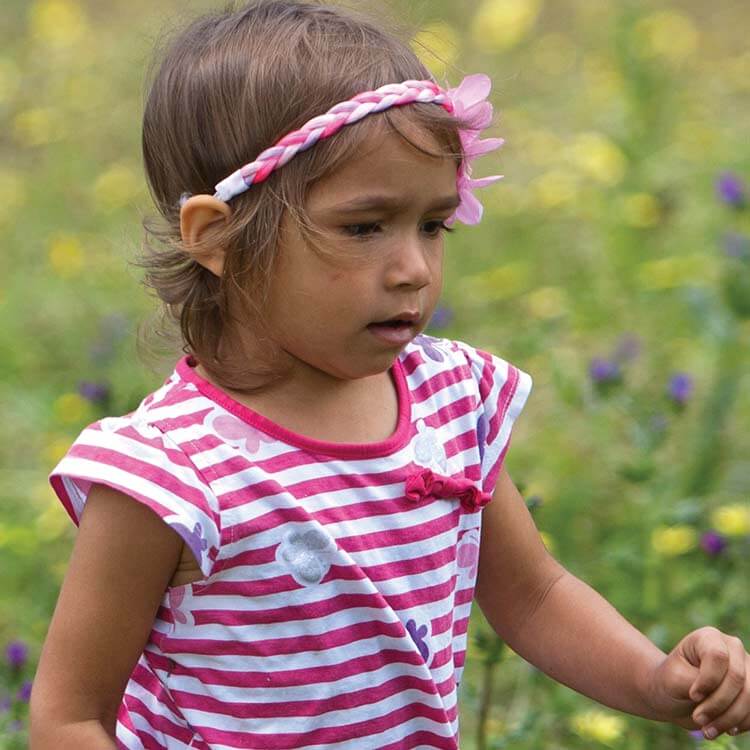
The Aboriginal Health and Wellbeing Team follows an holistic definition of Aboriginal Health which means that health is not just the physical wellbeing of an individual but includes the social, emotional and cultural wellbeing of the whole community.