
Search
Showing results for "autism"
Research
Australian children living with rare diseases: health service use and barriers to accessing careChildren with rare diseases experience challenges at home and school and frequently require multi-disciplinary healthcare. We aimed to determine health service utilization by Australian children with rare diseases and barriers to accessing healthcare.
Research
Epidemiology of craniofacial anomalies and association with intellectual disabilities in Western Australia: A population based studyHelen Mohammed Leonard Junaid MBChB MPH BDS, MDS, MFDS RCPS (Glasg.), DDPH RCS (Eng) Principal Research Fellow Honorary Team Member +61 419 956 946

Research
Comparing Parental Well-Being and Its Determinants Across Three Different Genetic Disorders Causing Intellectual DisabilityThis cross-sectional study examined parental well-being in caregivers of children with one of three genetic disorders associated with intellectual disability.
Research
Development of a video-based evaluation tool in Rett syndromeThis paper describes the development of a video-based evaluation tool for use in Rett syndrome (RTT).
Research
Neurodivergence, intersectionality, and eating disorders: a lived experience-led narrative reviewAutistic people and those with attention deficit hyperactivity disorder are at a high risk of developing an eating disorder. While there is limited evidence on the relationship between other forms of neurodivergence and eating disorders, research suggests associations between giftedness, intellectual disability, obsessive-compulsive disorder, psychosis, Tourette's syndrome, and disordered eating.
News & Events
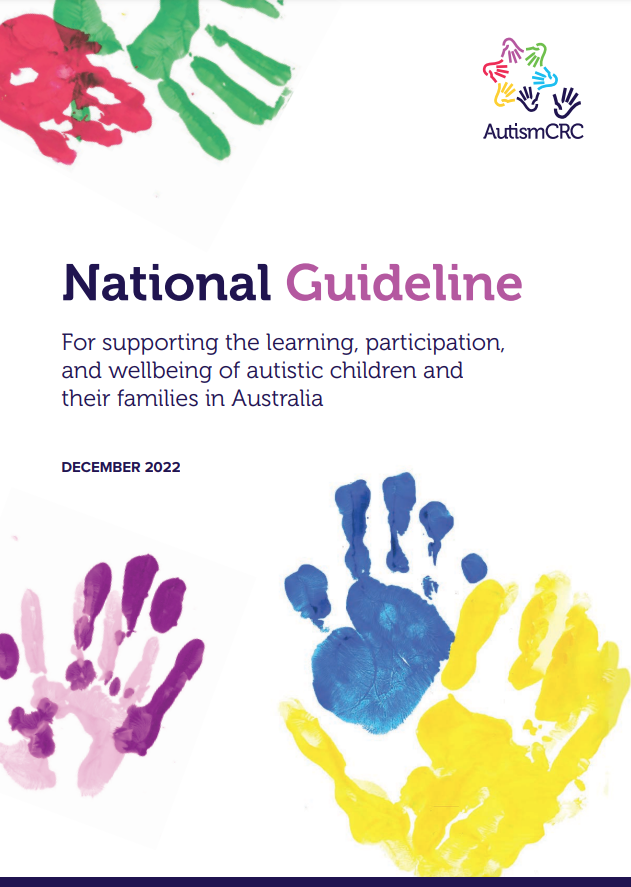
Supporting autistic children guideline - short courseCliniKids has partnered with Autism CRC to deliver an online self-paced short course which explores the Recommendations included within the National Guideline for supporting the learning, participation, and wellbeing of autistic children and their families in Australia.
News & Events
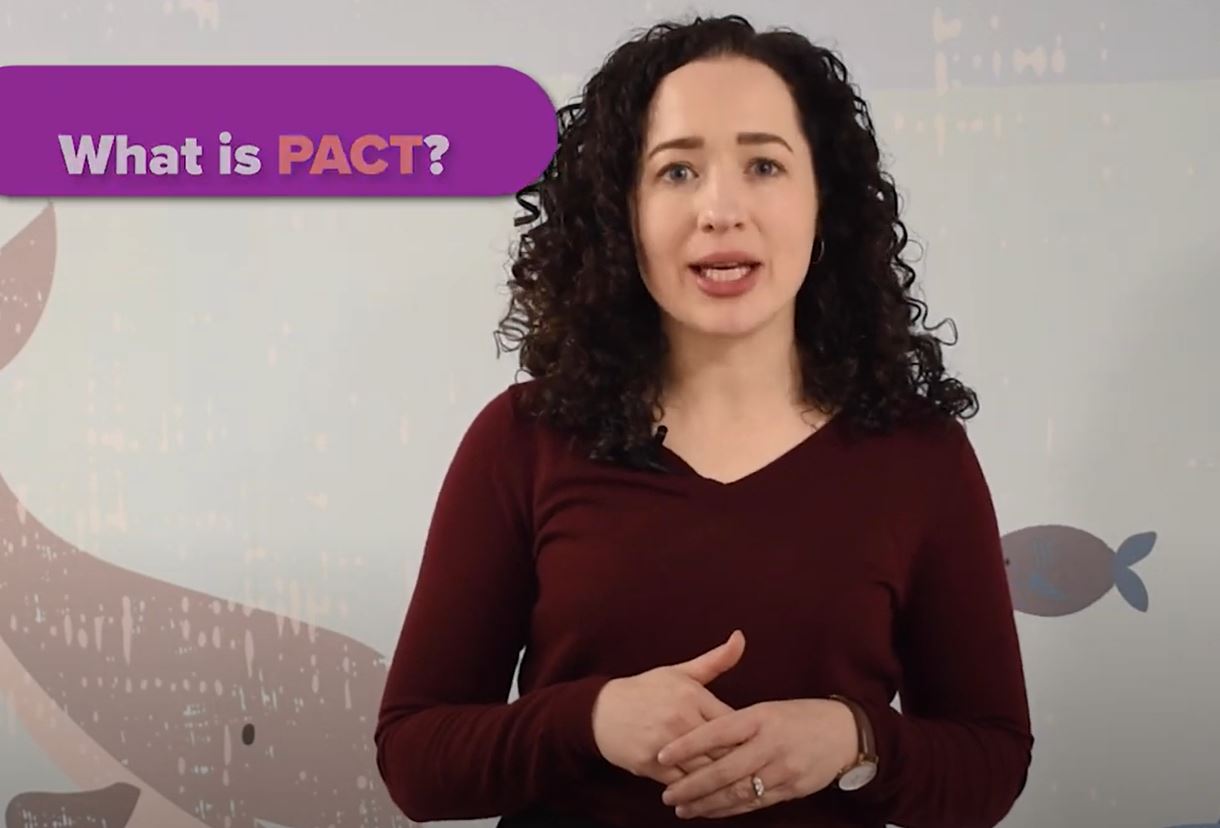
PACT now available via telehealthPaediatric Autism Communication Therapy is now available at CliniKids via telehealth.
Research
Health care utilization and costs for children and adults with duchenne muscular dystrophyAnnual economic cost of Duchenne Muscular Dystrophy was found to be high, reflecting a significant socioeconomic burden, especially in boys who reach adulthood
Research
“I have a good life”: the meaning of well-being from the perspective of young adults with Down syndromeThe purposes of this study were to explore what makes for a "good life" from the perspective of young adults with Down syndrome and to identify the barriers...