


Skip to content
The Kids Research Institute Australia logo
Donate

No results yet

Search

News & Events

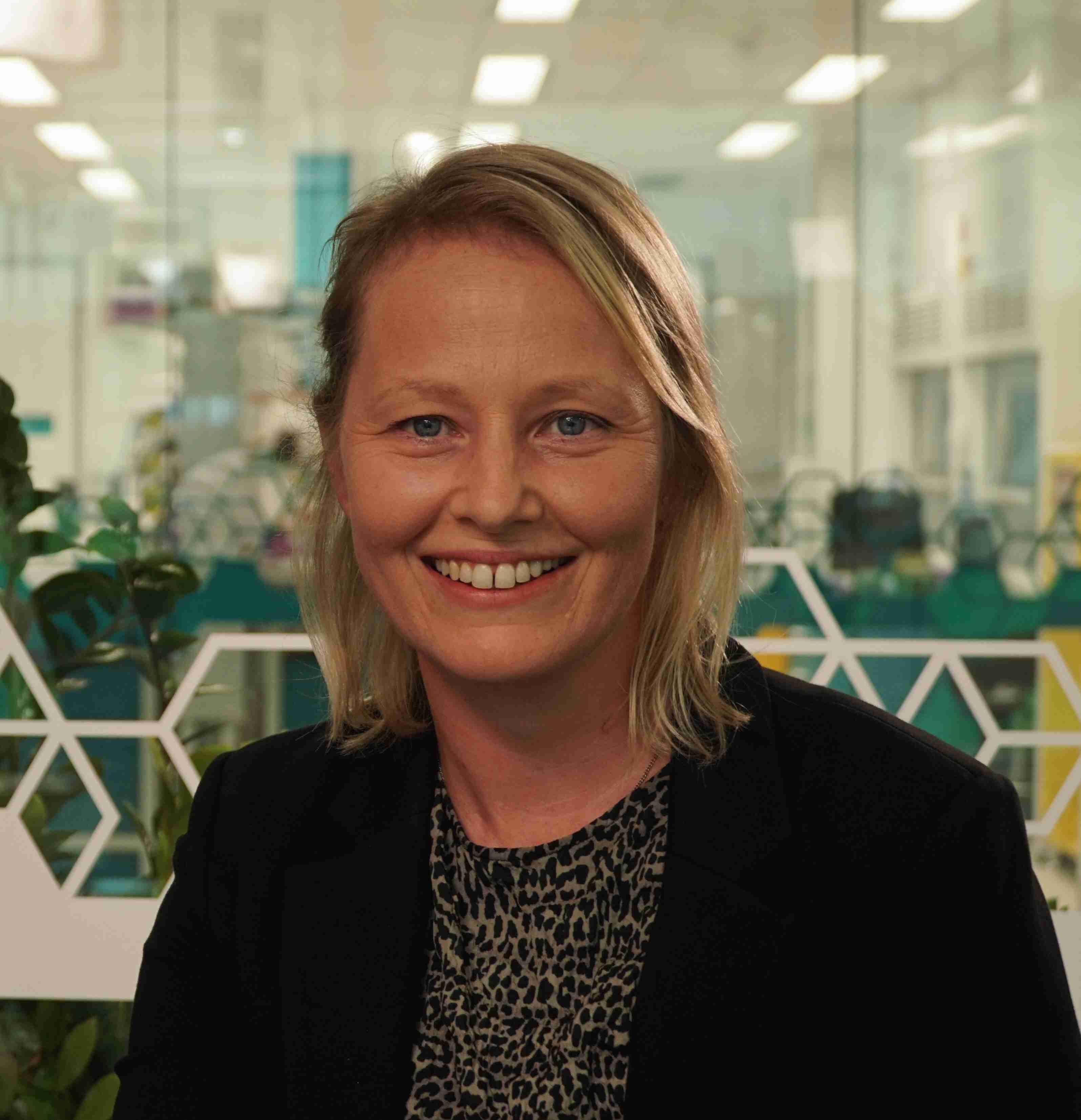
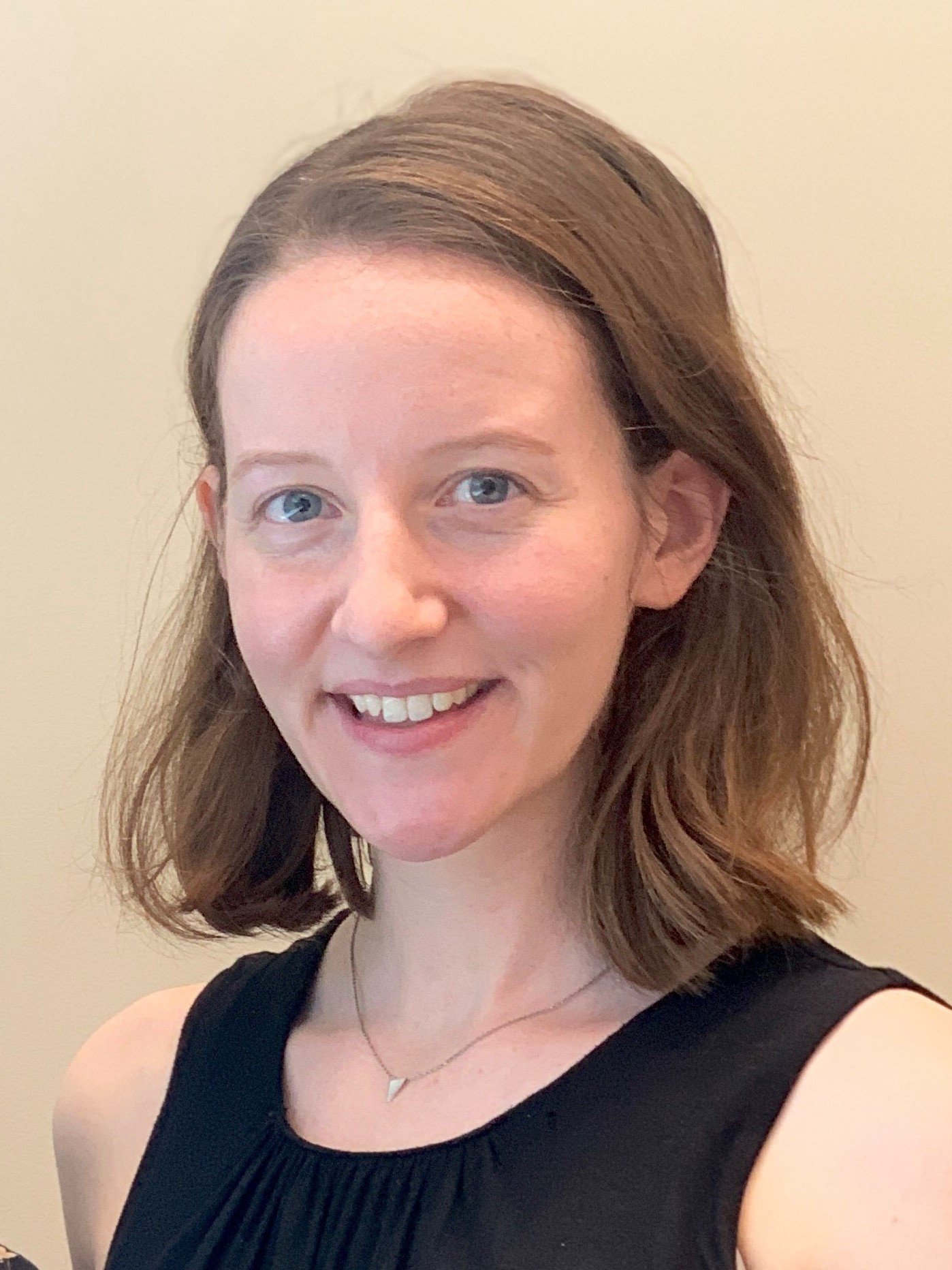
Welcome to the team Leah!

Meet Leah – the latest addition to the CliniKids team. We asked Leah, our new Operations Manager, a couple of questions to get to know her.

News & Events

Term 1 appointment scheduling

We are aware that many of our clients are either starting kindy or are transitioning from kindy to fulltime school and may require a different day/time for their regular therapy sessions at CliniKids.

Research

It’s not just droplets: a systematic review and meta-analysis of the modes of transmission of Group A Streptococcus

The transmission of Group A Streptococcus (Strep A) through respiratory droplets has been considered the dominant mode of transmission to date; however, little is known about the relative contribution of other modes of transmission. This review systematically summarises the contemporary evidence regarding the transmission of Strep A.

Research

The Koolungar (Children) Moorditj (Strong) Healthy Skin Project Part I: Conducting First Nations Research in Pediatric Dermatology

Integrating First Nations knowledge systems and Western research methodologies recognizes the strength, experience, and insight of First Nations peoples in addressing health issues in their communities. In research, this includes projects being led by First Nations Elders and peoples, including First Nations researchers in the team, and collecting data in ways that reflect First Nations ways of knowing, being, and doing.

Research

Exploring healthcare providers’ perspectives on the factors that facilitate primary health care access among Aboriginal and Torres Strait Islander young people

Aboriginal and Torres Strait Islander young people aged 15-24 years of age often encounter challenges accessing and utilising primary health care (PHC). Providing health care responsive to the needs of Aboriginal and Torres Strait Islander young people requires the active involvement of healthcare providers (HCPs), who play a central role in healthcare delivery. This study explored perspectives of HCPs working in urban Aboriginal and Torres Strait Islander Community-Controlled Health Organisations (ATSICCHOs) on the factors that facilitate Aboriginal and Torres Strait young people accessing and utilising PHC services.

Research

Reduced Type-I Interferon by Plasmacytoid Dendritic Cells and Asthma in School-Aged Children

Allergic sensitization and reduced ability to respond to viral infections may contribute to virus-induced wheeze and asthma development in young children. Plasmacytoid dendritic cells (pDC) are rare immune cells that produce type I interferons (IFN-I) and play a key role in orchestrating immune responses against viruses. 

Research

Involving young people with lived experience in advancing mental health science: an exploratory qualitative study from Pakistan and India

Meaningful involvement of young People with Lived Experience (PWLE) in co-designing youth mental health interventions has been much emphasized globally. However, there is a scarcity of evidence on involving PWLE of mental health problems in designing, implementing and evaluating mental health interventions, especially in Low- and Middle-Income Countries.

Research

A microRNA-based dynamic risk score for type 1 diabetes

Identifying individuals at high risk of type 1 diabetes (T1D) is crucial as disease-delaying medications are available. Here we report a microRNA (miRNA)-based dynamic (responsive to the environment) risk score developed using multicenter, multiethnic and multicountry ('multicontext') cohorts for T1D risk stratification. Discovery (wet and dry lab) analysis identified 50 miRNAs associated with functional β cell loss, which is a hallmark of T1D. 

SToP-ping skin sores in the Kimberley

More than 3,000 skin checks have been undertaken as part of a large clinical trial in WA’s Kimberley region aimed at halving the burden of skin sores in school-aged Aboriginal children.

Putting malaria on the map

A global network of researchers led by Kerry M Stokes Chair of Child Health, Professor Pete Gething, is working to help support informed decision-making for malaria control at international, regional and national scales.