
Search
Showing results for "8"
Research
Immediate and Longer Term Immunogenicity and Safety of a Single Dose of the Combined Haemophilus influenzae TypeHib-primed but MenC-naive toddlers (N = 433) were randomized to receive 1 dose of Hib-MenC-TT or separate Hib-TT and MenC-CRM197 vaccines.

At The Kids Research Institute Australia, we have a dedicated and diverse team of over 1,000 staff, students and honorary researchers.

News & Events
Person Reported OutcomesThe PCH Diabetes Clinical team will again be collecting T1DAL surveys between June and July 2024, followed by PAID between November 2024 and January 2025.
Research
Immunogenicity and Safety of a Quadrivalent Meningococcal ACWY-tetanus Toxoid Conjugate Vaccine 6 Years After MenC Priming as ToddlersOne dose of MenACWY-TT boosts protection against MenC in primed children, is safe and extends protection against MenA, MenW and MenY
Research
A systematic review on the impact of delayed local therapy in patients with Ewing sarcoma of the pelvisLocal treatment of pelvic Ewing Sarcoma (EWS) is czhallenging due to complex anatomy and potential complications. Local therapy may be deferred to maintain chemotherapy dose-intensity, but the impact of this delay on outcomes remains unclear.
Research
Tumor eradication after cyclophosphamide depends on concurrent depletion of regulatory T cellsTumor cell death potentially engages with the immune system. However, the efficacy of anti-tumor chemotherapy may be limited by tumor-driven...
News & Events
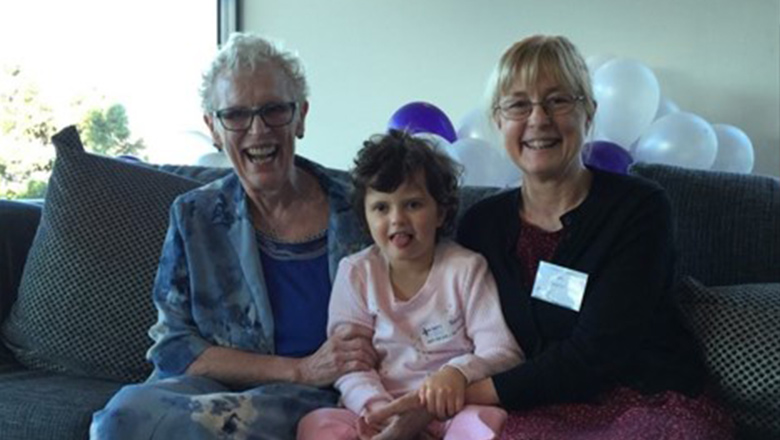
The Rett Syndrome Journey: Pathways to FollowOur InterRett team visited Geelong, Australia to attend the first ever Rett Syndrome Association of Australia national conference.
Research
Longitudinal Profiling of the Human Milk Microbiome from Birth to 12 Months Reveals Overall Stability and Selective Taxa-Level VariationHuman milk bacteria contribute to gut microbiome establishment in breastfed infants. Although breastfeeding is recommended throughout infancy, temporal variation in the milk microbiome-particularly beyond solid food introduction-remains understudied. We analyzed 539 milk samples from 83 mother-infant dyads between 1 week and 12 months postpartum using full-length 16S rRNA gene sequencing.
Research
Tackling the Burden of Osteoarthritis as a Health Care Opportunity in Indigenous Communities-A Call to ActionOsteoarthritis is a highly prevalent and disabling disease, causing a significant individual and socioeconomic burden worldwide. Until now, there has been a dearth of research exploring the impact of osteoarthritis in global Indigenous communities.
Research
Umbilical venous blood flow and its measurement in the human fetusIn this review, we evaluate the published methodologies to describe a noninvasive technique for the quantitative assessment of umbilical venous blood flow in...