
Search
Research
Australian children living with rare diseases: experiences of diagnosis and perceived consequences of diagnostic delaysParents of children living with rare chronic and complex diseases have called for better education and resourcing of health professionals
Research
Feasibility of assessing diet with a mobile food record for adolescents and young adults with down syndromeThe aim was to assess the feasibility of assessing diet with an image-based mobile food record application in 51 adolescents and young adults with Down syndrome.
Research
Qualitative Analysis of Parental Observations on Quality of Life in Australian Children with Down SyndromeWe investigated parental observations to identify QOL domains in children with Down Syndrome and determined whether domains differed between children and teens.
Research
Impacts of caring for a child with the CDKL5 disorder on parental wellbeing and family quality of lifeInvestigate impacts on maternal health and family quality of life in families with a child with the CDKL5 disorder
Research
An exploration of the use of eye gaze and gestures in females with rett syndromeEye gaze is used more frequently than gestures for communication, and this is related to age, MECP2 mutation type, and gross motor abilities
Research
Transition to adulthood for young people with intellectual disability: the experiences of their familiesA number of themes emerged from the qualitative data which included parents' views and concerns about the capacity of their young adult to adapt and change to life in adulthood
Research
Improved Survival in Down Syndrome over the Last 60 Years and the Impact of Perinatal Factors in Recent DecadesImproved survival for children born with Down syndrome over the last 60 years has occurred incrementally, but disparities still exist
Research
Validating the rett syndrome gross motor scaleThe Rett Syndrome Gross Motor Scale could be an appropriate measure of gross motor skills in clinical practice and clinical trials
Research
Spinal fusion in girls with Rett syndrome: Post-operative recovery and family experiencesRett syndrome is a severe neurodevelopmental disorder mainly affecting females and scoliosis is a common co-morbidity. Spinal fusion may be recommended if...
Research
Association of gestational age at birth with reasons for subsequent hospitalisation: 18 Years of follow-up in a Western Australian population studyPreterm infants are at a higher risk of hospitalisation following discharge from the hospital after birth.
News & Events
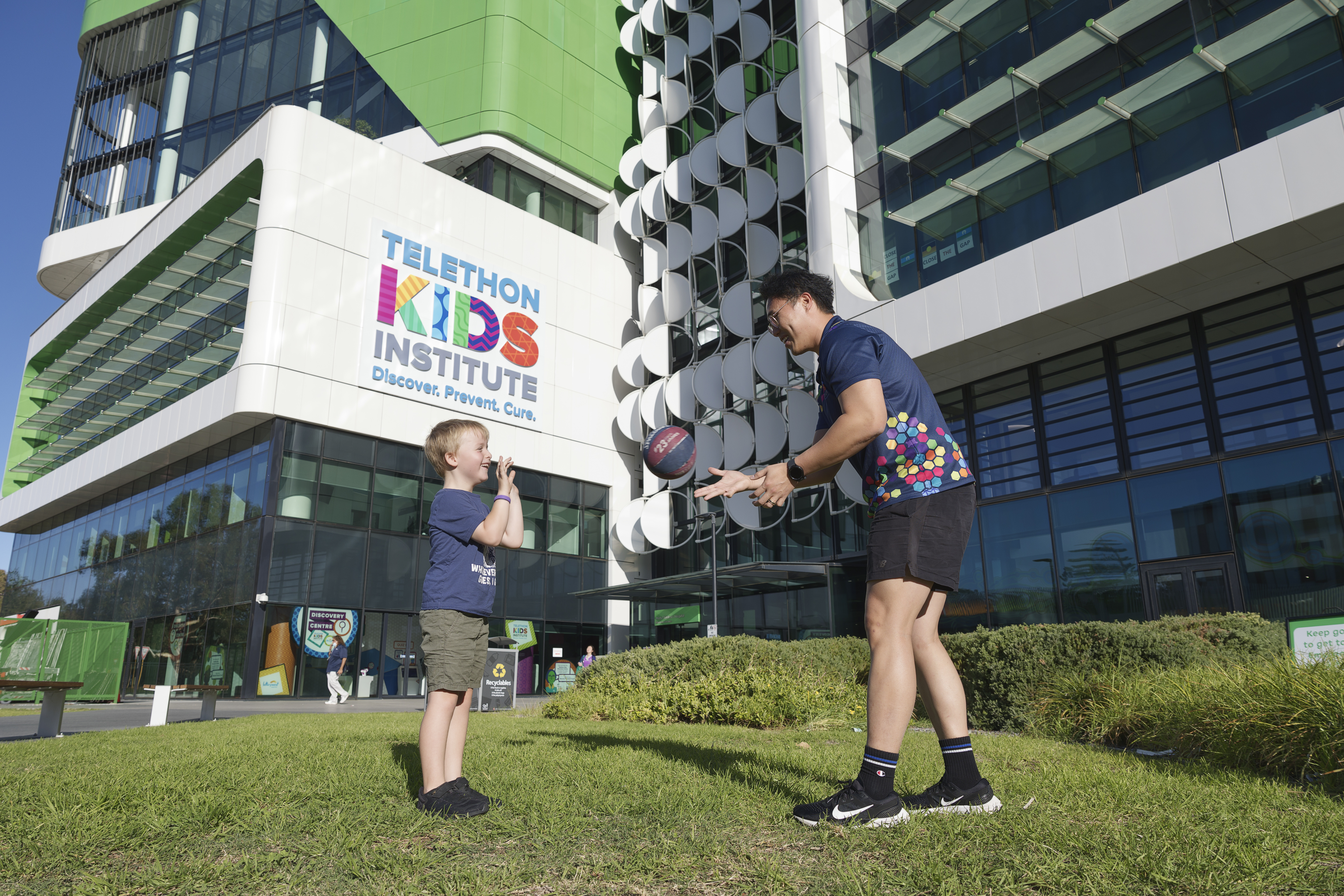
Sports Coaching ResourcesDeveloping educational exercise resources to improve awareness and knowledge of Type 1 Diabetes (T1D) within community sport settings. Community
News & Events
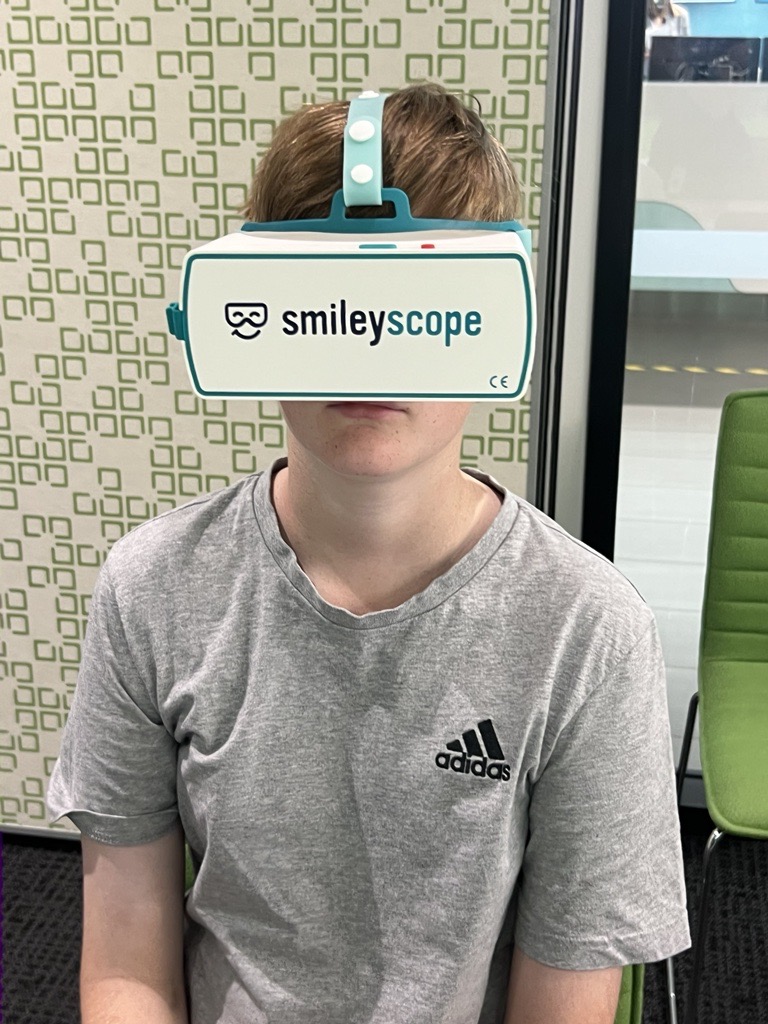
Virtual Reality Goggles in ClinicAnyone attending a Continuous Glucose Monitoring (CGM) start at PCH recently will have been offered the chance to use our new Virtual Reality googles also known as ‘SmileyScope’.

News & Events
Insulin and Abatacept trial in type 1 diabetesDiabetes researchers from The Kids Research Institute Australia and Perth Children’s Hospital are excited to be taking part in the national Insulin
News & Events
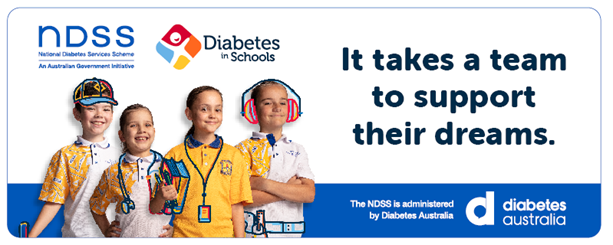
Preparing for school in 2024It's the new school year and by now your child's school should have a copy of their updated Diabetes Management Plan. Adele Connor, Diabetes in
News & Events
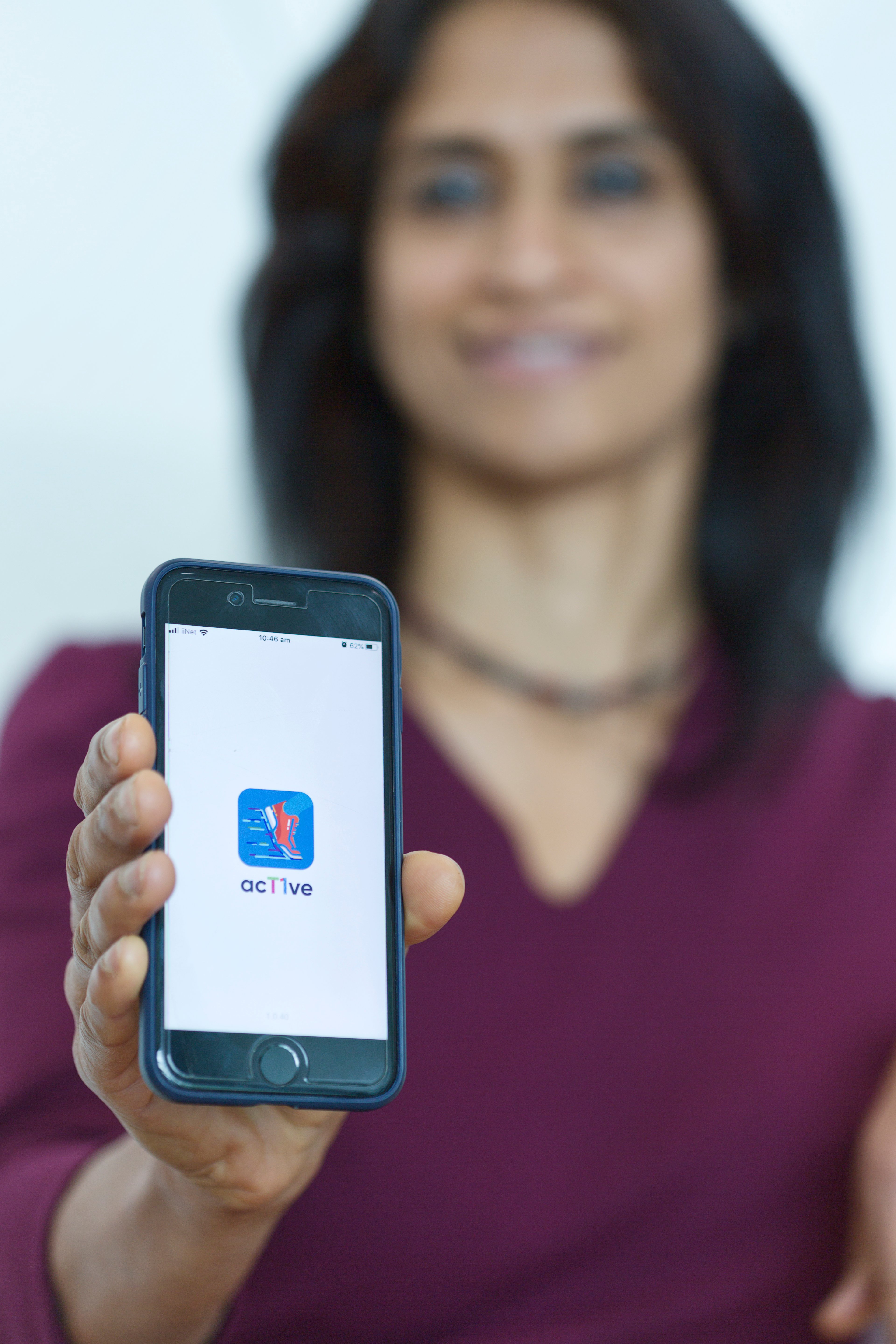
T1D Mobile Health AppT1D Mobile Health App It is important for people living with type 1 diabetes (T1D) to engage in a physically active lifestyle, but it can be
News & Events
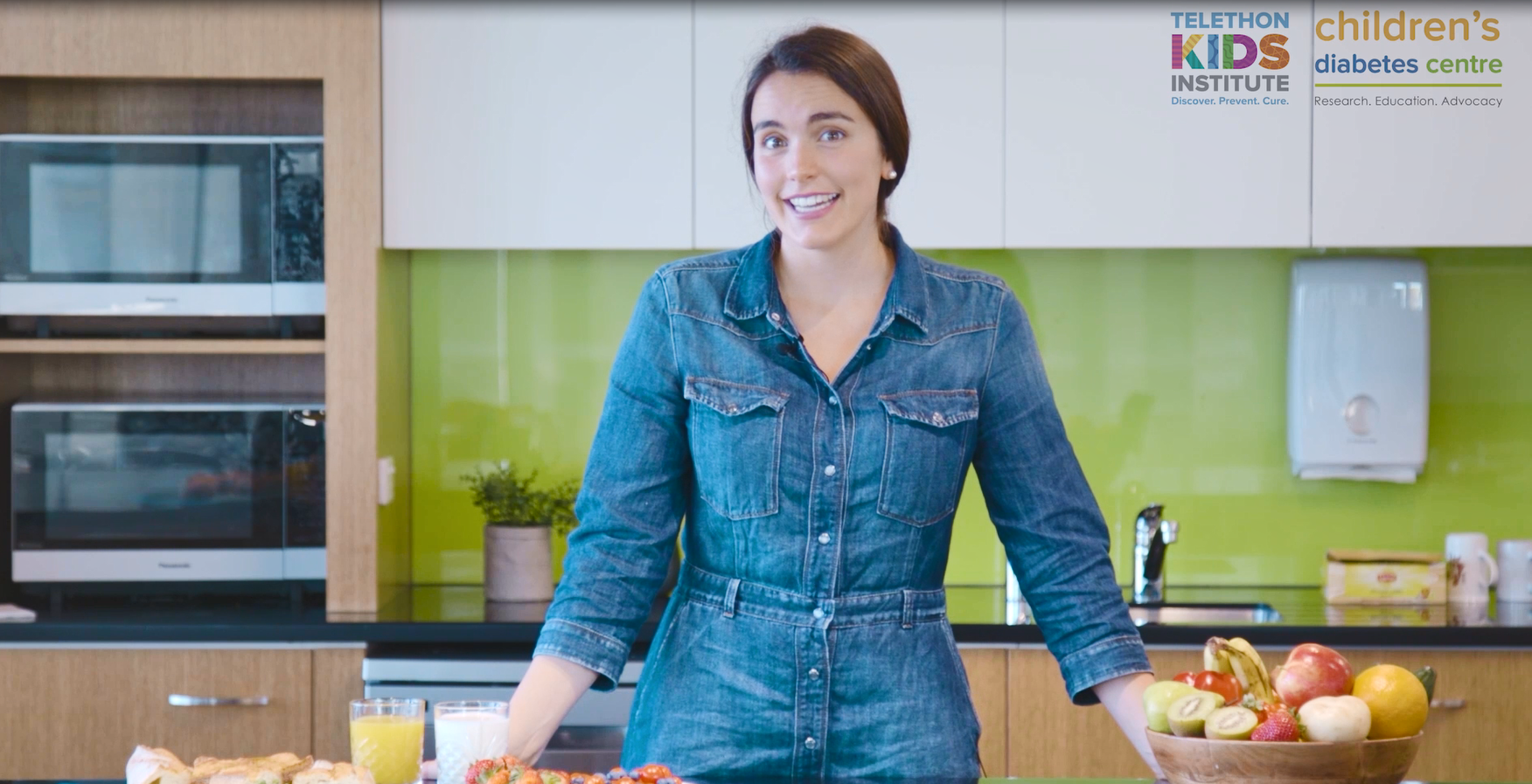
Join our nutrition videosWould you like to help teach others with diabetes? The team at the Rio Tinto Children’s Diabetes Centre are creating nutrition education videos for children and their parents living with type 1 diabetes.