
Search
Embark on a linguistic journey with KalyaKoorl’s tailor-made Noongar Language Programs.
We developed recommendations to assess and manage issues relating to poor growth and weight gain in Rett syndrome, including consideration of gastrostomy.
We investigated our data from family questionnaires to see how feeding difficulties related to age, the type of MECP2 mutation, and the use of gastrostomy.
We developed a measure of hand function, and then investigated relationships between hand function, type of MECP2 mutation, age and severity of symptoms.
We investigated what parents thought about the ways to manage scoliosis and what they thought they needed to help them better manage their daughter's scoliosis.
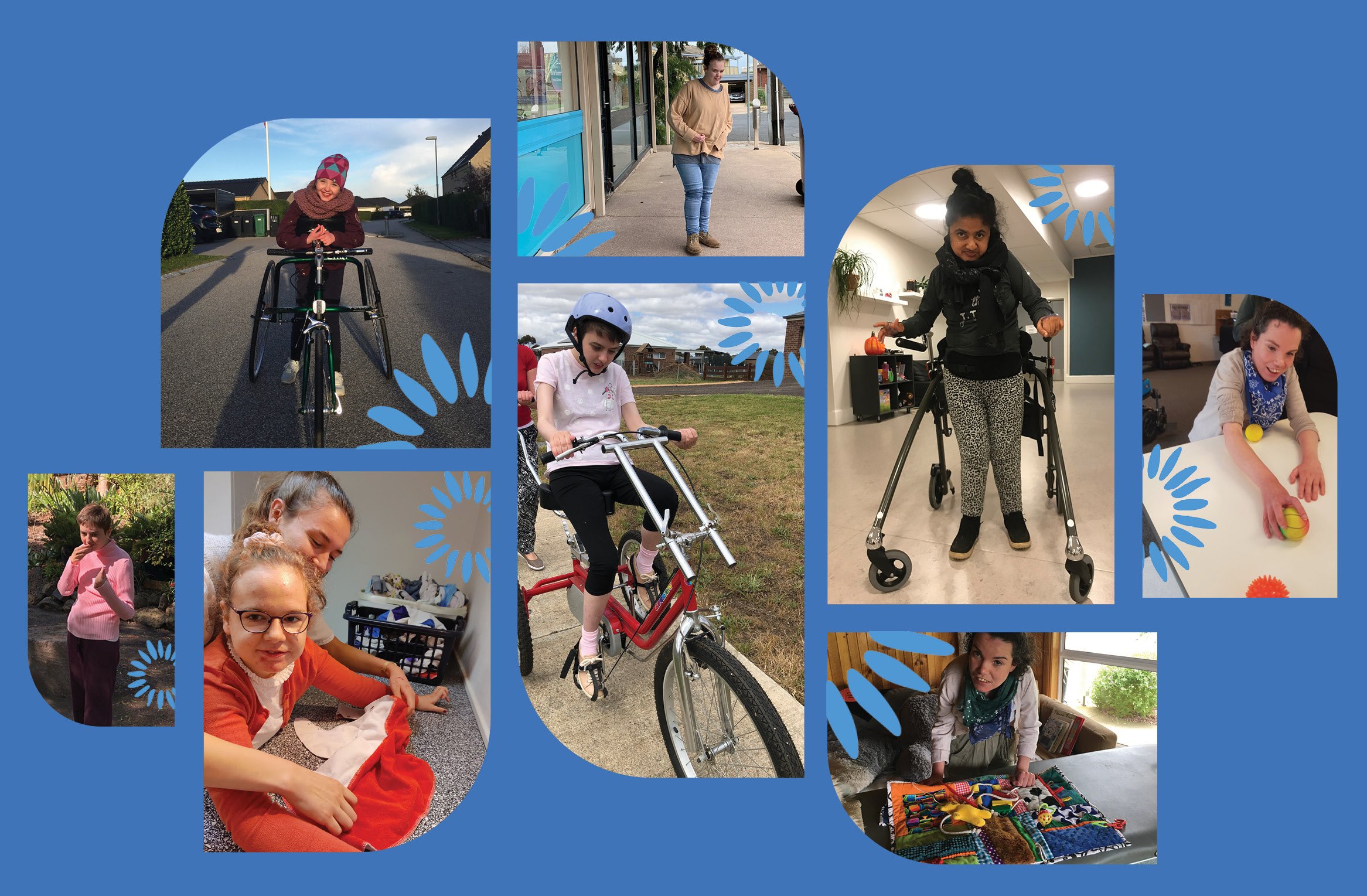
When you build routines into your day to increase uptime, it doesn’t only affect the person with Rett syndrome; it affects the whole family.
AussieRett is the Australian Rett syndrome research study. We collect information on Australian individuals with Rett syndrome from both families and clinicians
News & Events
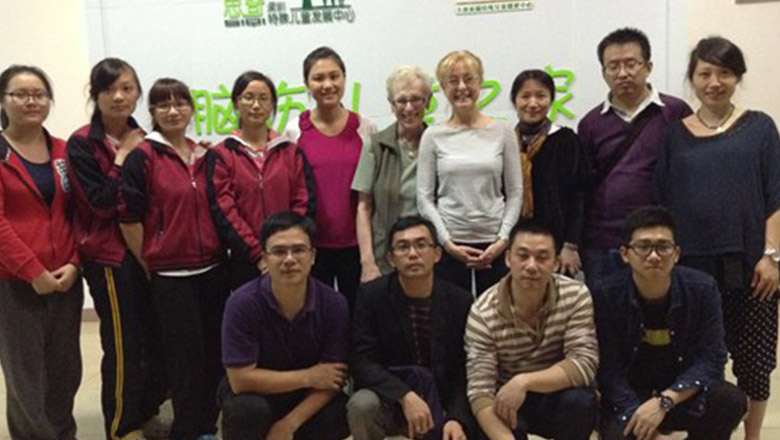
Visit to Shenzhen, ChinaHelen and Jenny visited Shenzhen in the south of China twice during 2013 to talk with clinicians and families at the Shenzhen Children's Hospital.

Young Minds Matter is the second Australian Child and Adolescent Survey of Mental Health and Wellbeing.
Young Minds Matter provides information on the prevalence and impacts of mental disorders on children and adolescents in Australia.