
Search
News & Events
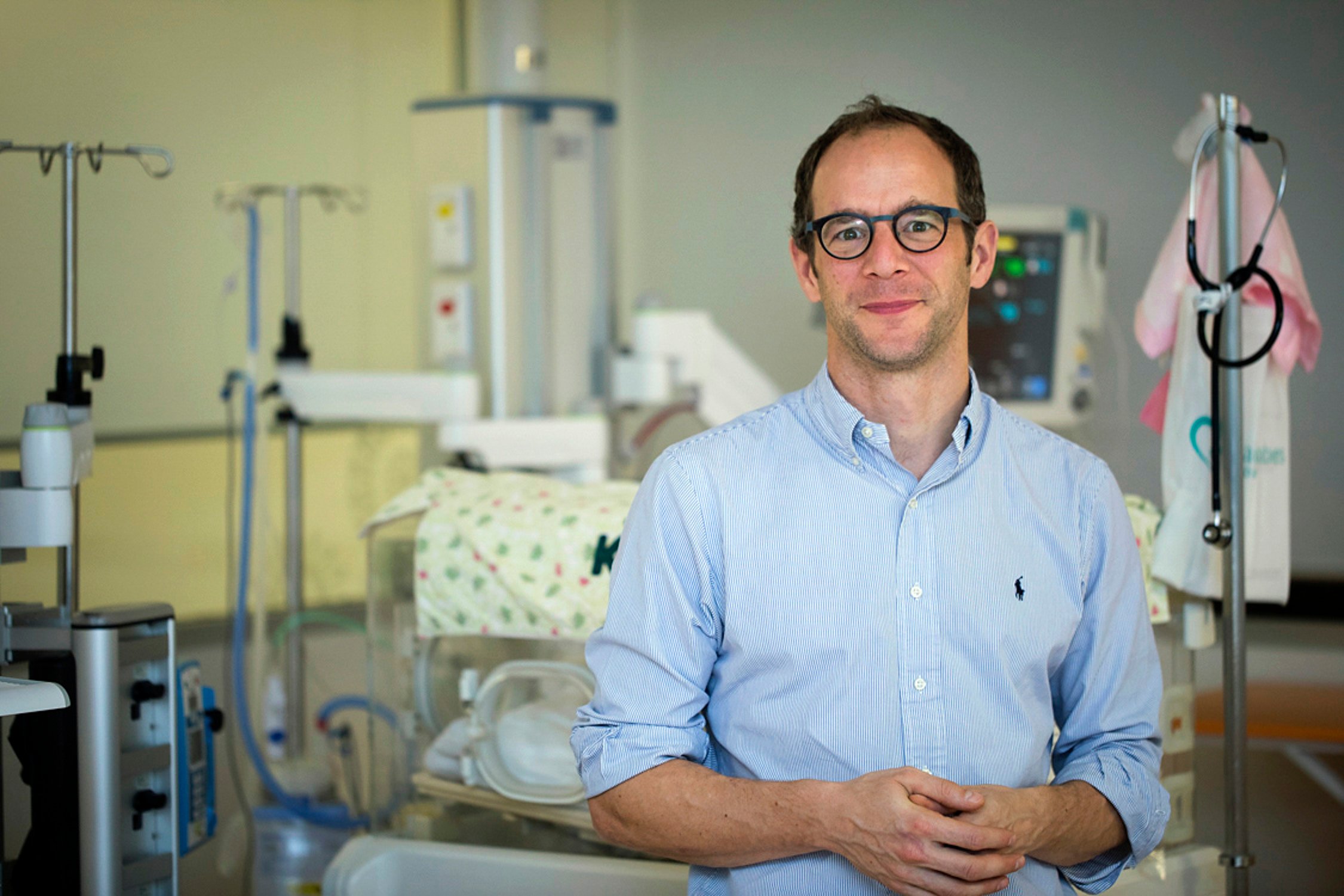
The Kids researchers lead national trial to fight sepsis in premature infantsThe Kids Research Institute Australia researchers will lead a new national clinical trial (COSI-2) to determine whether topical coconut oil can reduce late onset sepsis in extremely preterm infants.
News & Events
IIC Perth 2019The 2019 IIC Perth is a clinical training course in childhood infectious diseases, being held in Western Australia for a second time after the success of the first event in 2016.
Contact us If you'd like to get in touch, please contact Marie Nadal-Sims by phone or email. Phone: (08) 6319 1001 Email: IICPerth@thekids.org.au All

A decade long partnership with Wesfarmers Ltd. and the Wesfarmers Centre of Vaccines and Infectious Diseases has led to world-class paediatric research and important collaborations fuelling the Centre’s trajectory towards easing the burden of infectious diseases.
The essential facts that all parents should know
The Centre is committed to supporting high quality research by providing support for researchers to undertake activities of high priority to the WCVID.
Research
Factors Associated With 90-Day Readmission After Stroke or Transient Ischemic Attack: Linked Data From the Australian Stroke Clinical RegistryApart from comorbidities and patient-level characteristics, readmissions after stroke/transient ischemic attack were associated with discharge destination
Research
Reviewing the Pathogenic Potential of the Otitis-Associated Bacteria Alloiococcus otitidis and Turicella otitidisThere is insufficient evidence available to determine whether these organisms are pathogens, commensals or contribute indirectly to the pathogenesis of OM
Research
Sensitizing the Tumor Microenvironment to Immune Checkpoint TherapyIn this review we explore the current literature about the predictive characteristics of the tumor microenvironment and discuss therapeutic approaches
Research
Mental Health Issues and Complex Experiences of Abuse Among Trans and Gender Diverse Young People: Findings from Trans PathwaysThose working in trans and gender diverse health care need to be aware of the high prevalence of violence and abuse among trans and gender diverse young people